Blog
Learning Materials
Best herbs for hair growth: 40% more hair count
Updated: April 7, 2026
TL;DR:
- Pumpkin seed oil shows significant scientific evidence, increasing hair density by 40%.
- Herbs like rosemary and nettle support scalp health and shedding reduction with good tolerability.
- Consistent use over three to six months and personalized selection are key to herbal hair growth success.
Thinning hair sends most people down a rabbit hole of herbal remedies, each one promising miraculous results. The problem is not a shortage of options. It is figuring out which ones are actually backed by evidence and which ones are just well-marketed folklore. If you have tried a handful of herbs and seen little change, you are not alone. This guide cuts through the noise by giving you a clear framework for evaluating herbs, a look at the most science-supported options, and a practical way to match them to your specific hair concerns so you can stop guessing and start seeing real progress.
Table of Contents
- How to evaluate herbs for hair growth: Key selection criteria
- Top herbs backed by science and tradition for hair growth
- Comparing the top herbs: Efficacy, use, and side effects
- Choosing the right herb for your hair type and goals
- Why most herbal hair remedies fail — and what actually works
- Personalize your natural hair growth journey with MyHair
- Frequently asked questions
Key Takeaways
| Point | Details |
|---|---|
| Science-backed herbs matter | Choose herbs that are supported by clinical studies and longstanding traditional use for the best chance at results. |
| Pumpkin seed oil stands out | Pumpkin seed oil increased hair count by 40% in clinical research, making it a top choice for hair growth. |
| Match herbs to hair needs | Select herbs based on your unique hair concerns, from thinning to breakage, for targeted benefits. |
| Consistency is key | Herbal remedies typically require several months of consistent use before significant results are visible. |
| Personalization optimizes results | Combining the right herbs and tracking your progress can help tailor the best regimen for your hair. |
How to evaluate herbs for hair growth: Key selection criteria
Not every herb deserves a place in your hair care routine. Before spending money or time on any remedy, it helps to run it through a simple filter. When we look at herbal hair growth solutions, the best ones tend to score well across four key areas.
Scientific evidence is the most reliable starting point. Human clinical trials with measurable outcomes, like actual hair count increases, carry far more weight than anecdotal reports. Pumpkin seed oil significantly improves hair density compared to placebo in controlled studies, making it one of the few herbs with hard numbers behind it.
Traditional use also matters, but in a supporting role. When an herb has been used across multiple cultures for centuries specifically for hair health, that track record is worth noting. It does not replace clinical data, but it adds credibility.
Here is a quick checklist to apply before adding any herb to your routine:
- Does it have at least one human clinical trial showing measurable hair results?
- Has it been used traditionally for hair health in more than one culture?
- Is it generally well-tolerated with a low risk of side effects?
- Can it be used in a form that fits your current routine, such as oil, tea, or supplement?
- Is it accessible and reasonably priced for long-term use?
Safety is non-negotiable. Some herbs interact with medications or cause scalp irritation in sensitive individuals. Always check the tolerability profile before committing to a new remedy, especially for oral supplements.
Ease of application is often overlooked. An herb you will not use consistently is an herb that will not work. If a remedy requires complex preparation every day, most people abandon it within weeks. Look for options that fit naturally into your existing wash day or supplement schedule.
Pro Tip: Start with one herb at a time so you can actually tell what is working. Layering five new ingredients at once makes it impossible to identify what is helping or causing irritation.
For a broader look at natural products for thicker hair, this framework applies just as well to non-herbal options too.
Top herbs backed by science and tradition for hair growth
With a clear set of criteria, let's explore which herbs really measure up for fuller, stronger hair.
The research landscape for herbal hair remedies is smaller than you might expect, but a handful of plants have earned their reputation through both clinical data and centuries of use. Here are the top five worth knowing:
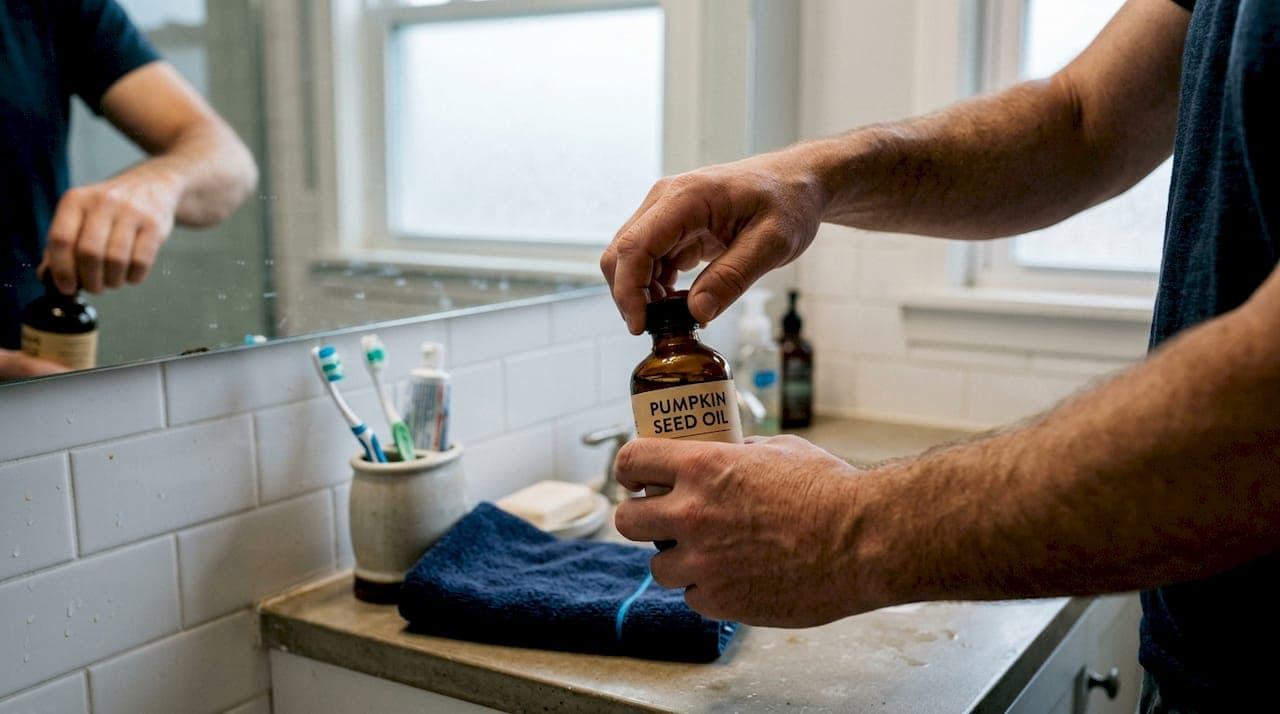
- Pumpkin seed oil stands at the top of the list. It increases hair count by 40% in men with androgenetic alopecia over 24 weeks. That is a statistically significant result that few other natural remedies can match. It is thought to work partly by inhibiting 5-alpha reductase, the enzyme that converts testosterone into DHT.
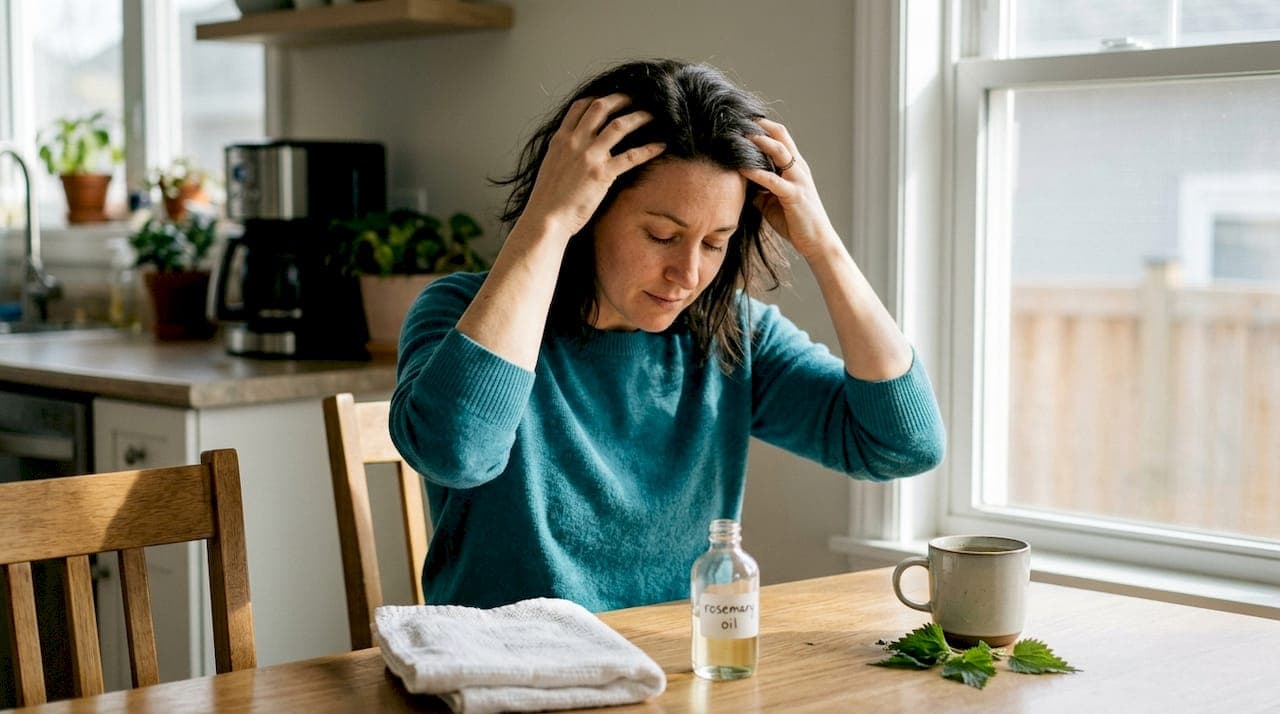
- Rosemary has gained serious attention after studies compared it favorably to minoxidil for scalp circulation. It stimulates blood flow to hair follicles and has a long history of use in Mediterranean and Ayurvedic traditions. It works well as a diluted essential oil applied directly to the scalp.
- Saw palmetto targets DHT more directly than most herbs. It may block the same enzyme pathway as pumpkin seed oil, making it a useful option for people dealing with hormone-related thinning. It is widely available as an oral supplement.
- Horsetail is rich in silica, a mineral that supports the structural integrity of each hair strand. It is less studied for hair count but has a strong traditional record for reducing brittleness and breakage.
- Nettle has been used for generations to reduce hair shedding and support scalp health. It contains iron, silica, and vitamins that nourish the follicle environment from within.
"The most effective herbal approaches combine a well-researched active ingredient with consistent application over several months. Quick fixes are not part of this equation."
These natural hair care essentials work best when they are part of a broader routine that includes scalp care and proper nutrition. For more on building that foundation, check out these expert healthy hair tips.
Comparing the top herbs: Efficacy, use, and side effects
After covering the standout herbs, it is time to see how they compare directly.
| Herb | Evidence level | Best for | Application | Tolerability |
|---|---|---|---|---|
| Pumpkin seed oil | Strong clinical data | Men with AGA, general thinning | Oral supplement, topical oil | Very good |
| Rosemary | Moderate clinical data | Scalp circulation, all hair types | Essential oil (diluted), rinse | Good |
| Saw palmetto | Moderate clinical data | DHT-related hair loss | Oral supplement | Good |
| Horsetail | Mostly traditional | Brittle, breaking hair | Tea, supplement | Good |
| Nettle | Traditional and emerging | Shedding, nutrient support | Tea, supplement, topical | Very good |
The statistically significant improvement in hair density seen with pumpkin seed oil makes it the standout choice for anyone dealing with measurable thinning. That 40% increase in hair count is not a minor result. It is comparable to some pharmaceutical options without the side effect profile.
For women, rosemary and nettle tend to be the most popular starting points because they address both scalp health and shedding without hormonal interference. Saw palmetto is used by women too, but should be approached carefully if you are pregnant or on hormonal medications.
Pro Tip: When using essential oils like rosemary, always dilute them in a carrier oil such as jojoba or coconut oil before applying to your scalp. Undiluted essential oils can cause irritation or chemical burns.
For guidance on the safety of natural hair products and how to choose a natural shampoo for hair growth that pairs well with herbal treatments, those resources are worth bookmarking.
Choosing the right herb for your hair type and goals
Now let's make these insights personal, tailoring choices to your needs.
The most common mistake people make is choosing an herb based on popularity rather than fit. Matching the herb's strengths with personal hair needs is what separates people who see results from those who give up after two months with nothing to show for it.
Here is how to think about matching herbs to your specific situation:
- Dealing with thinning at the crown or temples? Pumpkin seed oil or saw palmetto may address the DHT component driving that pattern.
- Experiencing diffuse shedding or stress-related hair loss? Nettle and horsetail support the nutrient environment that stressed follicles need to recover.
- Struggling with slow growth and dull, lifeless strands? Rosemary improves scalp circulation, which directly feeds follicle activity.
- Hair that breaks before it can grow long? Horsetail's silica content targets structural weakness in the hair shaft itself.
- Sensitive scalp or history of allergic reactions? Start with oral supplements rather than topical applications to reduce direct contact risk.
Combining herbs can amplify results, but approach it carefully. A blend of rosemary oil and pumpkin seed oil applied topically, for example, addresses both circulation and DHT activity at once. Pairing nettle tea with a saw palmetto supplement covers both internal nutrition and hormonal balance.
Realistic expectations matter enormously here. Most herbs need three to six months of consistent use before you see measurable changes. If you want to track those changes accurately, explore these natural steps for hair growth and use them alongside practical tricks for shiny, healthy hair to stay motivated during the waiting period.
Why most herbal hair remedies fail — and what actually works
Here is the uncomfortable truth: most people who try herbs for hair growth do not fail because the herbs do not work. They fail because they quit too soon, picked the wrong herb for their hair type, or used it inconsistently.
Clinical trials that show real results, like the 40% hair count increase with pumpkin seed oil, are built on months of daily, consistent use under controlled conditions. Real life rarely looks like that. People skip days, switch products, or expect visible changes in three weeks when the biology simply does not move that fast.
Personalization is the other missing piece. Generic advice to "try rosemary" ignores whether your hair loss is hormonal, nutritional, or structural. Each of those causes responds to different herbs. Without knowing your specific pattern, you are essentially guessing.
The people who see the best outcomes from herbal routines tend to do three things: they commit to a single, well-matched herb for at least three months, they track their progress with photos or measurements, and they adjust based on what they observe. AI insights for hair growth are changing this process by giving people a data-driven starting point instead of a guess.
Personalize your natural hair growth journey with MyHair
Knowing which herbs work is only half the equation. Knowing which ones work for you is where real progress begins.

MyHair.ai's AI-powered hair analysis takes the guesswork out of building your herbal routine. By scanning your scalp and analyzing your unique hair patterns, the platform identifies what is actually driving your thinning or loss and matches that to science-backed solutions. Instead of cycling through herbs blindly, you get a personalized starting point. Start your hair analysis onboarding today and build a routine that is designed around your hair, not someone else's.
Frequently asked questions
Which herb is most effective for hair growth based on science?
Pumpkin seed oil has the strongest scientific support, with studies showing a 40% increase in hair count in men with androgenetic alopecia over 24 weeks.
How long does it take to see results from herbal hair treatments?
Most well-supported herbs require at least 3 to 6 months of consistent use before you see measurable results. Pumpkin seed oil shows significant results in 24 weeks under clinical conditions.
Can I combine multiple herbs for better hair growth?
Yes, blending herbs like rosemary, nettle, and pumpkin seed oil can offer complementary benefits. Always match herb strengths carefully and patch test before starting any new combination.
Are there side effects to using herbal remedies for hair growth?
Most herbs are safe when used as directed, but some individuals may experience scalp irritation or allergic reactions, so patch testing before full application is always a smart first step.
Do herbs work for everyone or are results individual?
Results vary based on individual genetics, scalp health, and consistency of use, so not every herb will deliver the same outcome for every person.
Recommended
- Understanding Herbs for Hair Growth: Nature's Solutions | MyHair
- Natural Products for Hair Growth and Thickness: A Complete Guide | MyHair
- Best Hair Oil for Hair Growth Homemade: Recipes & Results 2025 | MyHair
- Natural Oils for Hair Growth: Proven Benefits and Uses | MyHair
- Biotin Boost Hair Serum – Didis Beauty Center