Blog
Learning Materials
Build a personalized hair care routine for growth
Updated: May 7, 2026
TL;DR:
- Hair loss is a highly personal issue influenced by genetics, scalp health, and lifestyle, requiring tailored routines. Effective management involves assessing your hair and scalp type, tracking changes objectively, and building consistent, evidence-based practices like gentle cleansing, topical treatments, and scalp massage. Regular reassessment and expert guidance help optimize results, acknowledging that routines must evolve with your changing condition.
Watching your hair thin or shed more than usual is one of those experiences that quietly takes over your confidence. You scroll through product reviews, try what worked for someone else, and still feel like you're spinning your wheels. The truth is, hair loss is deeply personal — your genetics, scalp health, stress levels, and lifestyle all play a role. A generic "top 10 products" list will never address what's actually happening on your scalp. This guide walks you through building a routine that's genuinely tailored to you, backed by real evidence and structured for results.
Table of Contents
- Know your hair and scalp: The foundation of personalization
- Essential steps for a personalized hair care routine
- Customizing your approach: Products, treatments, and add-ons
- Tracking progress and troubleshooting: How to reassess and adapt
- Personalized hair care: Why your routine should never be set-and-forget
- Get expert input for your hair journey
- Frequently asked questions
Key Takeaways
| Point | Details |
|---|---|
| Personalization matters | An effective hair care routine depends on your individual hair and scalp needs, not one-size-fits-all solutions. |
| Consistency pays off | Results require routine and patience, with progress usually visible after several months of regular care. |
| Track and adapt | Monitor your results, reassess at 6 months, and adjust your approach for ongoing improvement. |
| Combine treatments safely | Layered use of topicals, tools, and products can be powerful when guided by evidence and safety. |
| Seek expert guidance | Personalized plans and technology can help you set realistic expectations and speed up your progress. |
Know your hair and scalp: The foundation of personalization
Now that you're ready to take control, let's start with personal assessment. Before buying a single product or trying a new treatment, you need a clear picture of what you're working with. Hair thinning isn't one condition. It can stem from androgenetic alopecia (genetic hair loss, the most common form in men and women), stress-related shedding (telogen effluvium), nutritional deficiencies, hormonal changes, or scalp conditions like seborrheic dermatitis. Knowing your pattern matters.
Your hair type also shapes every product decision you make. Fine, straight hair responds differently to oils and conditioners than coarse, curly hair does. A scalp that's naturally oily needs different cleansing frequency than a dry, flaky one. Personalizing self-care routines works on the same principle as personalized skincare — generic steps produce generic results.
Hair and scalp types: What to look for
| Hair/scalp type | Key signs | Watch for |
|---|---|---|
| Fine and oily | Flat, limp by midday | Product buildup, frequent washing needed |
| Dry and coarse | Frizzy, prone to breakage | Moisture loss, needs richer conditioners |
| Sensitive scalp | Redness, itching, flaking | Fragrance and sulfate reactions |
| Normal, balanced | No excess oil or dryness | Maintain with gentle, consistent care |
| Thinning at crown | Wider part, visible scalp | Androgenetic alopecia pattern |
| Diffuse shedding | Even thinning all over | Telogen effluvium, hormonal shifts |
Tracking your hair's changes over time is more powerful than a one-time snapshot. Keep a simple photo diary every four weeks in the same lighting. Note shedding counts in the shower or on your pillow. This kind of tracking turns vague "I feel like it's worse" observations into real data you can act on.
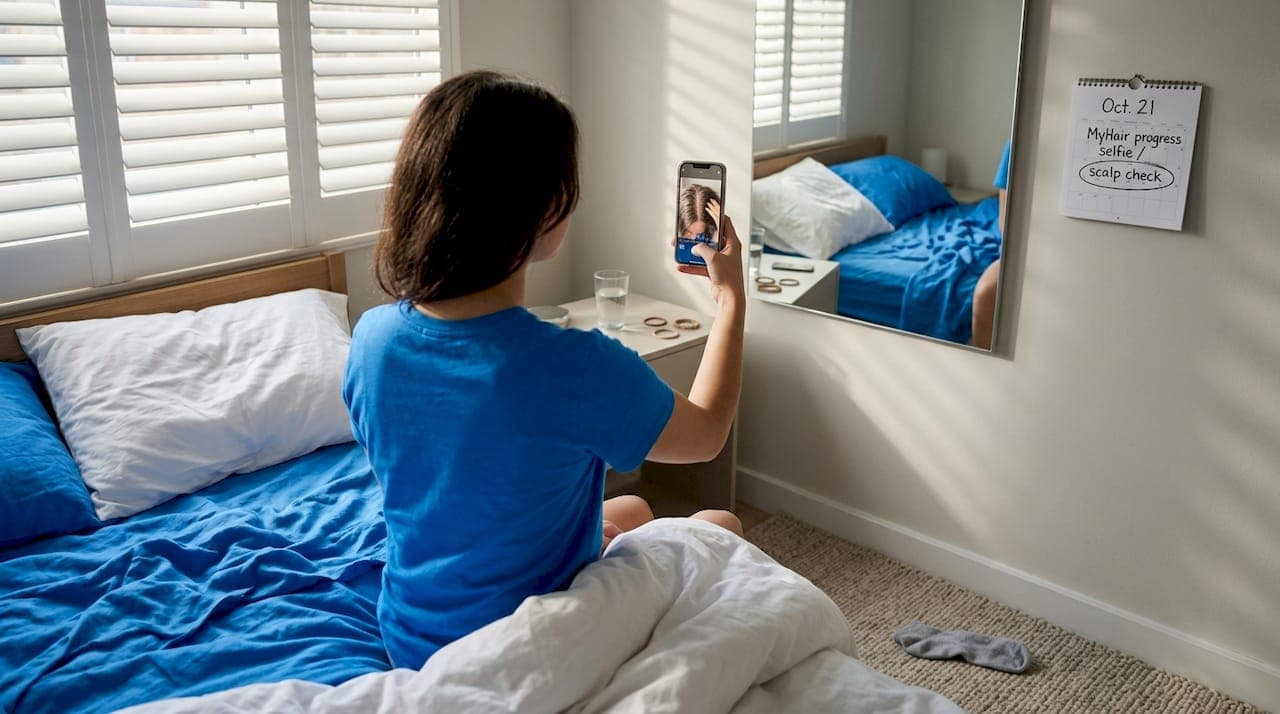
Set clear, realistic goals using the S.M.A.R.T. framework. Instead of "I want more hair," try "I want to reduce daily shedding by half and see visible density improvement at my part line within six months." That's specific, measurable, and gives you a checkpoint.
One critical expectation to set early: minoxidil response varies significantly between people, so personalization includes planning a formal reassessment at the six-month mark before drawing conclusions. Starting treatment and quitting at week eight because you don't see results is one of the most common mistakes people make.
Pro Tip: Take your baseline photos before starting any new product or treatment. Front, top, and side angles. This is the single most useful thing you can do to objectively measure progress later.
For deeper guidance on improving scalp health before layering on treatments, starting with a clean, healthy foundation always pays off.
Essential steps for a personalized hair care routine
Once your hair and scalp type are clear, you can build your core routine. Structure matters here. A random collection of products applied inconsistently will never outperform a simple, well-timed routine applied daily. Think of it like physical training — frequency and consistency beat intensity.
Here's a practical structure to build from:
- Cleanse (2 to 4 times per week, adjusted for scalp type). Use a gentle, sulfate-free shampoo for sensitive or thinning scalps. Oily scalps may need more frequent washing. Dry scalps can often go longer between washes without issues.
- Condition (every wash day, avoiding roots). Focus conditioner on mid-lengths and ends. For thinning hair, lightweight conditioners prevent the weighed-down flatness that makes thinning more visible.
- Apply topical treatments (daily or as prescribed). Minoxidil, growth serums, or peptide-based scalp treatments go on right after cleansing on a mostly dry scalp. Timing and method matter for absorption.
- Scalp massage (5 minutes daily). Gentle fingertip massage increases blood flow to follicles. It's low cost, low risk, and supported by small but real studies showing increased hair thickness with daily practice.
- Weekly specialty care (based on your scalp type). This could be a scalp exfoliation for buildup, a deep conditioning mask for dry hair, or a targeted oil treatment applied the night before wash day.
Comparing common personalized routine steps
| Treatment | Evidence level | Best for | Key considerations |
|---|---|---|---|
| Topical minoxidil | High | Androgenetic alopecia | Requires daily use; initial shedding possible |
| Scalp massage | Moderate | General thinning, stress-related loss | Free, low risk, needs consistency |
| Growth serums (peptides, caffeine) | Moderate | Early thinning, support therapy | Complement, not replace, core treatments |
| Natural oils (castor, rosemary) | Low to moderate | Scalp nourishment, mild stimulation | Best as a weekly add-on; avoid heavy daily use |
| Microneedling | Moderate to high | Androgenetic alopecia with minoxidil | Protocol-dependent; consult a professional |
| Clarifying scalp wash | Low | Product buildup, seborrheic dermatitis | Monthly use, not a replacement for regular care |
Your hair care routine for growth needs to be something you can actually stick to. A ten-step morning routine sounds powerful but often gets abandoned by week two. Build the minimum effective version first, then layer in additions as habits solidify.
Pro Tip: Tie your scalp treatment application to an existing habit, like brushing your teeth at night. Habit stacking is one of the most reliable ways to make a new routine automatic.
If you're adding oils to your weekly plan, check out how to structure an oil routine for hair health without causing buildup or weighing hair down. And for refining how often and how you wash, these wash routine tips break down the details clearly.
Customizing your approach: Products, treatments, and add-ons
With the basics in place, let's personalize your routine further by making smart product and treatment choices. This is where people often go wrong: they add five new products at once, something irritates their scalp, and they have no idea which product caused it. Add one new element every two to three weeks so you can isolate reactions and identify what's working.
Here's what to consider when selecting and layering treatments:
- Scalp sensitivity: If your scalp reacts easily, start with fragrance-free, alcohol-free formulas. Many growth serums contain irritants that can worsen inflammation and actually accelerate shedding.
- Lifestyle and compliance: Oral minoxidil (a systemic option prescribed by doctors) can be easier for people who forget topical application. It's worth discussing with a dermatologist if topical adherence is a challenge.
- Evidence base: Stick to treatments with real clinical backing for your specific type of loss. For androgenetic alopecia, minoxidil remains one of the few over-the-counter options with strong evidence. For diffuse shedding from stress or deficiency, addressing root causes often matters more than topicals.
- Budget and sustainability: Some treatments require ongoing monthly spending. Factor that into your plan. A treatment you can't sustain for six months won't show real results.
- Choosing a hair oil carefully: Rosemary oil shows real promise in early studies, but application method and concentration matter. Diluting in a carrier oil and applying to the scalp pre-wash is generally well-tolerated.
Microneedling is one of the more exciting add-ons gaining clinical attention. Microneedling combined with minoxidil in structured protocols showed meaningful improvements over minoxidil alone in clinical trials, suggesting it enhances topical absorption and stimulates follicle signaling pathways. But the key phrase is "structured protocol." This isn't a DIY-first approach.
Safety note: Never use a dermaroller immediately after applying minoxidil or any active topical. Always roll on a clean scalp, use sterile needles, follow depth recommendations for at-home use (0.25mm to 0.5mm), and replace needles regularly. Combining actives with a compromised skin barrier is a recipe for infection and inflammation, not growth.
For those considering advanced treatment options beyond over-the-counter products, clinical programs exist that combine multiple modalities in a planned sequence.
Pro Tip: Take clear, close-up scalp photos every time you add a new product. If irritation shows up, you'll know exactly when it started and can trace it back to the addition.
Refer to these essential care tips when building your layering strategy so you're not guessing at the right order of application.
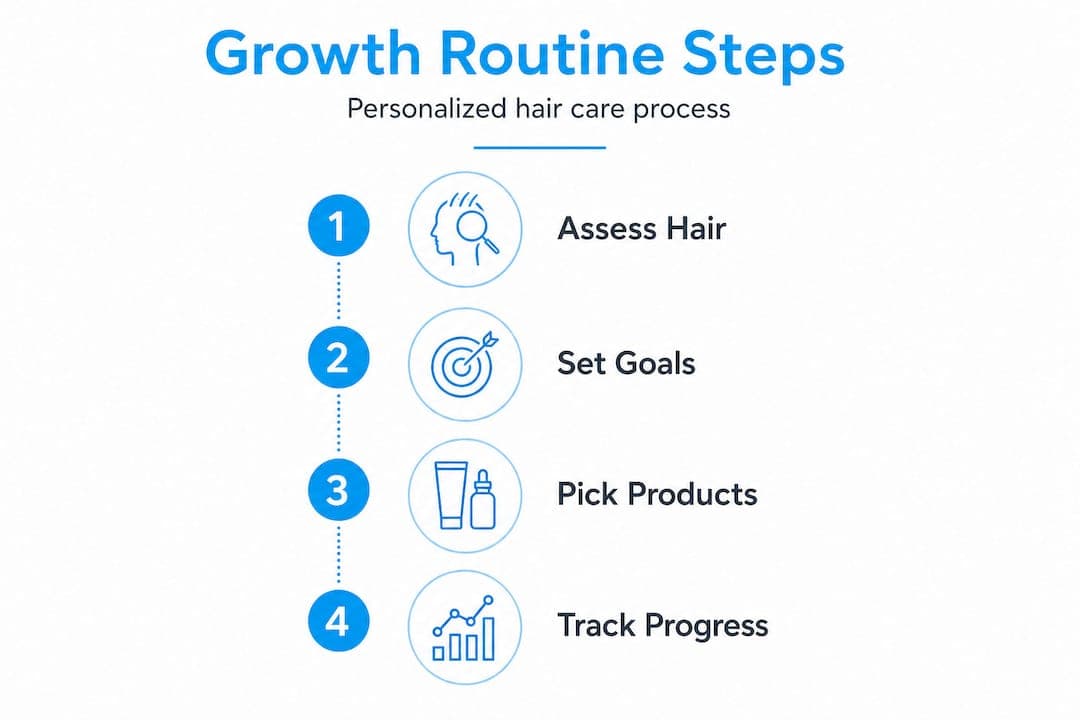
Tracking progress and troubleshooting: How to reassess and adapt
Personalization isn't static. Here's how you monitor, troubleshoot, and adapt for lasting results. Many people start a routine with enthusiasm, plateau at month two, and assume the routine failed. More often, the routine just needs adjustment, not replacement.
Simple, effective tracking methods:
- Photo diary: Same spot, same lighting, same time of day every four weeks. Focus on your part line, crown, and temples.
- Shedding log: Count hairs in the shower or on your pillow for a week. Repeat monthly. Numbers above 100 per day consistently may warrant attention.
- Texture and density check: Run your fingers through your hair and notice changes in how thick or full it feels. Compare to your baseline.
- Scalp condition notes: Is there less flaking? Fewer tender spots? Reduced redness? These signs tell you your scalp environment is improving.
Normal signs: Increased shedding in the first four to eight weeks of minoxidil (called telogen effluvium, the temporary acceleration of hair that was already going to shed). Mild scalp tingling from growth serums. Slightly oilier scalp when adjusting wash frequency.
Concerning signs: Persistent scalp redness, pain, or swelling lasting more than a few days. Accelerating hair loss beyond the first eight weeks. Patchy loss appearing suddenly, which may indicate alopecia areata and needs a dermatologist's evaluation.
Reassessing minoxidil response at six months is the clinical standard before changing strategy. This isn't just a recommendation; it's how clinical trials are structured because meaningful growth takes time to show up visually.
Understanding what to expect from regrowth therapies helps set a realistic mental framework so you don't abandon a working routine too early.
Pro Tip: Set a calendar reminder for your six-month photo comparison the day you start any new treatment. You'll be glad you did when you need to make objective decisions.
These steps for ongoing care outline how to structure your long-term maintenance plan once the initial growth phase stabilizes.
Personalized hair care: Why your routine should never be set-and-forget
Here's something worth saying plainly: the "perfect routine" you read about today may not be the right routine for you in six months. Most people treat their hair care plan like a prescription, something written once and followed forever. That mindset is exactly why so many people plateau and never reach their actual growth potential.
Hair responds to everything. Your stress levels in January affect your shedding in March. Starting a new medication, changing your diet, moving to a drier climate, entering a new hormonal phase — all of these shift the internal conditions your follicles are working within. A routine built for your life last year may be actively unhelpful this year.
The influencer approach to hair care is especially problematic here. Someone with mild thinning, low stress, and access to a full professional team posts their "routine," and thousands of people try to copy it exactly. Without knowing their scalp type, their hormonal picture, their shedding pattern, or their baseline density, copying someone else's plan is essentially randomized. Sometimes it works. Usually it doesn't.
Consider a practical example: a user tracking their hair with a personalized plan might do well on topical minoxidil for the first four months, hit a plateau, and then — through their six-month reassessment — realize their shedding log shows improvement but their density photos don't. That data point drives a smart next step: adding microneedling sessions twice a week rather than switching treatments entirely. That kind of evidence-informed adaptation is what separates real progress from guesswork.
Thinking of your routine as a living document that you actively update based on feedback is the single biggest mindset shift in successful hair care. Explore how personalized routine evolution works in practice, and you'll see that the most successful routines aren't the most complex. They're the most responsive.
Get expert input for your hair journey
Ready to put your plan to work? Here's how expert guidance and digital tools can accelerate your results.
Building a personalized routine on your own is possible, but it takes time, tracking, and a fair amount of trial and error. MyHair.ai exists to shorten that learning curve significantly. The platform's AI hair analysis scans your hair and scalp patterns to generate a personalized health score, giving you objective data that most people spend months trying to gather manually.
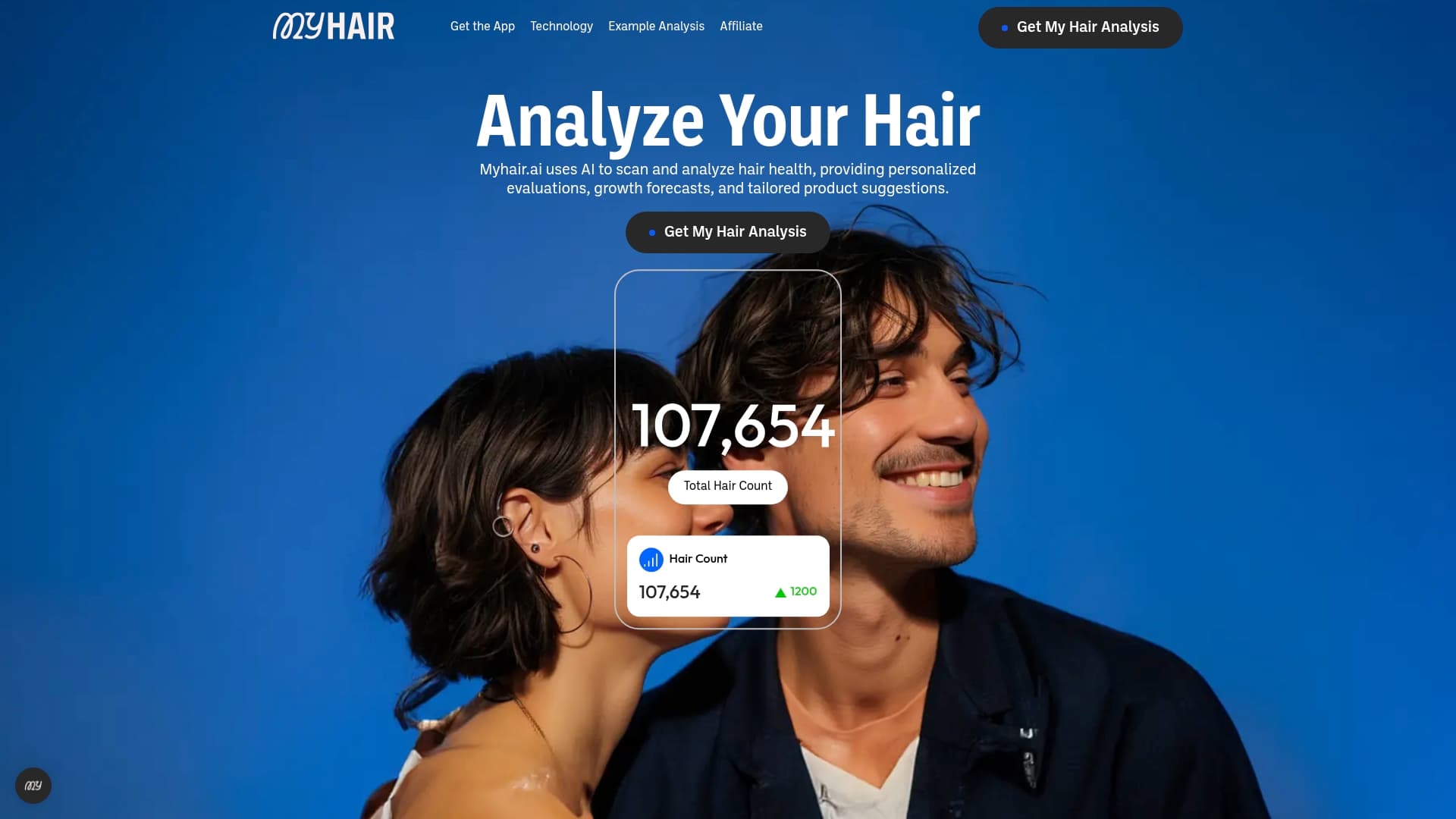
From your first scan, you get a clear picture of where you stand and which interventions are most relevant for your specific pattern. The personalized onboarding process walks you through building a routine that maps directly to your results, not a generic template. As your hair changes, the platform adapts with you, tracking improvement over time and flagging when it might be time to reassess. If the steps in this guide resonated with you, MyHair.ai is the natural next step to put them into practice with real data behind every decision.
Frequently asked questions
How long does it take to see results from a personalized hair care routine?
It typically takes 3 to 6 months to see noticeable results, and minoxidil response is formally assessed at the six-month mark, as initial shedding may occur before visible improvement appears.
Can I combine microneedling with topical treatments for better hair growth?
Yes, and clinical evidence shows that microneedling with minoxidil in structured protocols outperforms minoxidil alone, but correct technique and sterile equipment are non-negotiable for safety.
Is it normal to experience more shedding when starting a new treatment?
A temporary increase in shedding, known as transient telogen effluvium, can happen when starting minoxidil; initial increased loss is typically a normal phase and not a reason to stop treatment.
When should I reassess my hair care strategy if I'm not seeing results?
The clinical standard is to reassess at six months before changing strategies, as meaningful growth changes take time to become visible in photos or density checks.
How do I know if my routine needs to be changed?
If your shedding log and photos show no improvement after six months, or if you're experiencing persistent scalp irritation, it's time to modify your approach or book a consultation with a dermatologist.