Blog
Learning Materials
Good Hair Treatment for Damaged Hair: Personalized Results
Updated: December 30, 2025
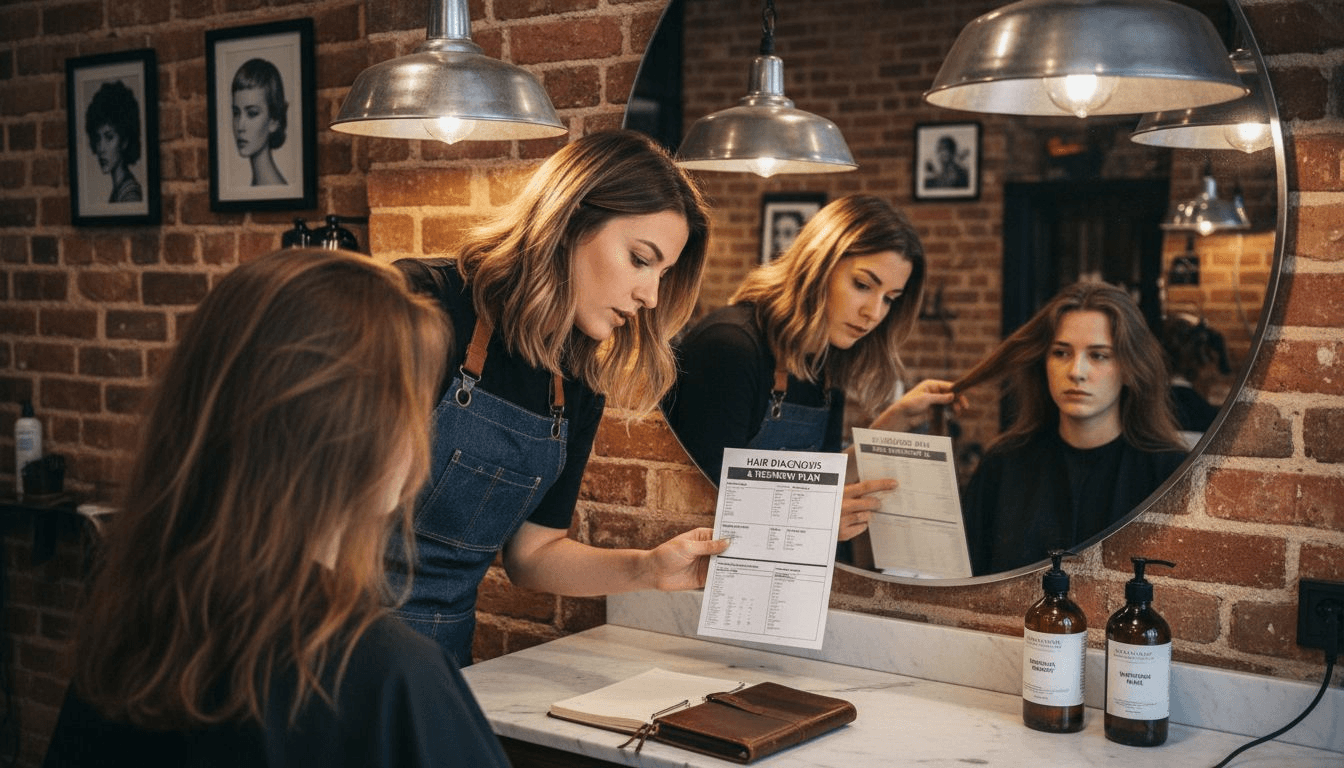
Over half of all American consumers have struggled with hair that feels weak, brittle, or simply unmanageable. The search for effective solutions often leads to frustration as myths around damaged hair continue to circulate. Understanding what truly causes hair distress matters because it shapes your journey toward lasting recovery. By uncovering the science behind hair health and exploring how AI-driven personalized care can help, you will discover smarter ways to restore strength and shine.
Table of Contents
- Defining Damaged Hair And Common Myths
- Major Types Of Damage And Treatment Approaches
- How Ai Personalizes Hair Care Solutions
- Science-Backed Repair Techniques And Ingredients
- Risks, Limitations, And What To Avoid
- Comparing Leading Alternatives For Recovery
Key Takeaways
| Point | Details |
|---|---|
| Understanding Hair Damage | Hair damage is not a singular issue but a complex condition that requires recognizing different damage types, such as structural and cuticle damage. Each type has distinct causes and must be treated appropriately for effective restoration. |
| Personalized Treatment is Essential | Effective hair repair strategies must be customized to individual hair types and damage patterns, using targeted treatments rather than one-size-fits-all solutions. |
| Utilizing AI for Hair Care | Artificial Intelligence can enhance hair care by providing personalized diagnostics and treatment recommendations based on precise analysis of individual hair conditions. |
| Awareness of Risks in Treatments | Not all hair treatments are safe or effective for everyone; understanding the potential risks and limitations is crucial to avoid further damage and to ensure realistic expectations. |
Defining Damaged Hair and Common Myths
Damaged hair is more than just a cosmetic concern - it represents a complex physiological condition where the hair's structural integrity becomes compromised. Understanding hair damage requires recognizing the subtle differences between temporary stress and permanent structural breakdown. Through understanding hair damage types, individuals can develop targeted strategies for hair restoration.
Most people misunderstand hair damage as a singular phenomenon, when in reality it exists across multiple spectrums. Chemical processing, excessive heat styling, environmental exposure, and nutritional deficiencies can all contribute to hair deterioration. The myths surrounding hair repair often lead individuals to ineffective treatment approaches. Common misconceptions include believing that split ends can be permanently "healed" or that one treatment solution works universally across different hair types.
The primary categories of hair damage include structural damage (where the hair's protein bonds break down), cuticle damage (external protective layer wearing away), and scalp damage (impacting hair growth at the root). These damage types interact dynamically, meaning addressing one area requires a holistic understanding of overall hair health. Natural remedies for damaged hair can provide complementary support to professional treatments, helping restore hair's natural resilience.
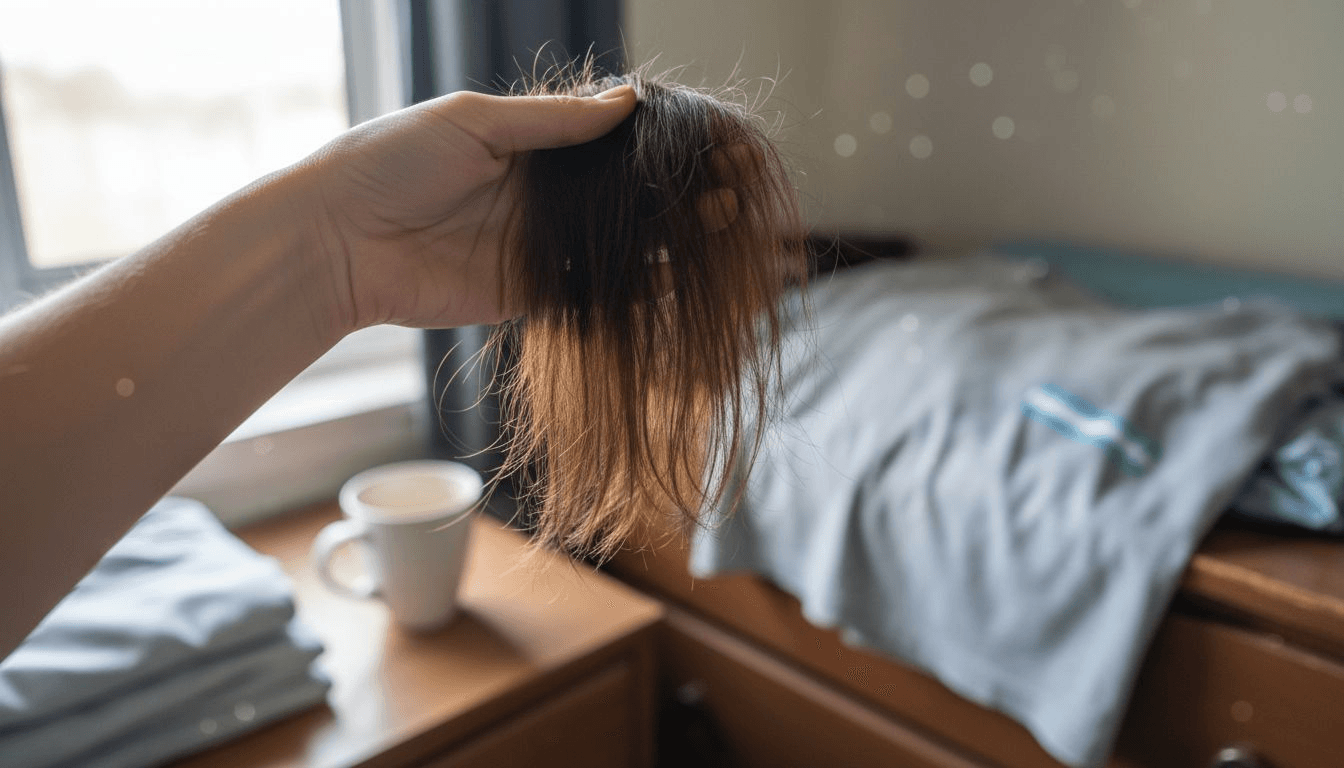
Here's a quick overview summarizing the main types of hair damage and their typical signs:
| Damage Type | Common Signs | Likely Causes |
|---|---|---|
| Structural Damage | Weakness, breakage | Chemical or heat exposure |
| Cuticle Damage | Frizz, dullness, roughness | Environmental, mechanical |
| Scalp Damage | Irritation, hair thinning | Scalp disease, product buildup |
| Oxidative Damage | Loss of color, brittleness | UV radiation, pollution |
Pro tip: Conduct a weekly "hair health audit" by examining your hair under good lighting, checking for signs of breakage, dryness, and split ends to catch damage early and prevent progressive deterioration.
Major Types of Damage and Treatment Approaches
Hair damage manifests through complex pathological mechanisms that require nuanced understanding and targeted interventions. Scientists have identified several primary damage categories that impact hair's structural and functional integrity. Comprehensive molecular mechanisms of hair damage reveal that damage occurs across multiple physiological levels, including structural, hormonal, and inflammatory domains.
The primary types of hair damage include:
- Structural Damage: Protein bond degradation resulting from chemical processing, heat styling, and mechanical stress
- Cuticle Damage: External protective layer erosion causing porosity and weakness
- Scalp Damage: Compromised follicular health impacting hair growth and regeneration
- Oxidative Damage: Free radical interactions causing cellular breakdown
Treatment approaches must be dynamically personalized, considering individual hair characteristics and specific damage patterns. Advanced hair treatment methodologies emphasize targeted interventions that address root causes rather than superficial symptoms. Modern therapeutic strategies incorporate antioxidants, specialized proteins, and regenerative compounds designed to reconstruct hair's fundamental structure and resilience.
Pro tip: Photograph your hair monthly under consistent lighting to track damage progression and assess the effectiveness of your chosen treatment approach.
How AI Personalizes Hair Care Solutions
Artificial Intelligence is revolutionizing hair care by transforming generic treatments into precisely targeted interventions. Advanced AI-driven hair diagnostics leverage sophisticated machine learning algorithms to analyze individual hair and scalp conditions with unprecedented accuracy. These technologies go beyond traditional assessment methods by capturing microscopic details about hair structure, follicular health, and potential damage patterns.
The personalization process involves multiple sophisticated techniques:
- Image Analysis: High-resolution scans detect subtle changes in hair texture
- Machine Learning: Predictive models generate customized treatment recommendations
- Environmental Factor Tracking: Incorporating individual lifestyle and genetic data
- Progression Monitoring: Continuous tracking of hair health improvements
Through comprehensive machine learning applications, AI systems can now provide nuanced insights that traditional diagnostic methods could never achieve. By analyzing complex datasets involving genetic predispositions, environmental influences, and historical hair health information, these intelligent systems create uniquely tailored hair care strategies that adapt in real-time to an individual's changing needs.
Pro tip: Take multiple high-quality, well-lit photos of your hair every month to provide the most accurate data for AI-powered hair analysis and personalized treatment recommendations.
Science-Backed Repair Techniques and Ingredients
Hair repair science has evolved dramatically, moving beyond superficial treatments to molecular-level reconstruction. Chemical advances in bond-building technologies now enable precise intervention at the structural protein level, targeting the fundamental mechanisms of hair damage. These breakthrough approaches focus on reconnecting broken keratin bonds and restoring hair's intrinsic strength and elasticity.
Key scientifically validated ingredients for hair repair include:
- Keratin Proteins: Rebuild hair's structural matrix
- Ceramides: Seal and protect hair cuticles
- Hydrolyzed Proteins: Penetrate and reinforce hair strands
- Natural Oils: Provide deep moisture and protective barriers
The most effective repair strategies combine multiple approaches, addressing both immediate damage and long-term hair health. Innovative ingredients for damaged hair restoration demonstrate that successful treatment requires a holistic approach. This means not just repairing existing damage, but also creating protective mechanisms that prevent future structural breakdown and maintain hair's natural resilience.
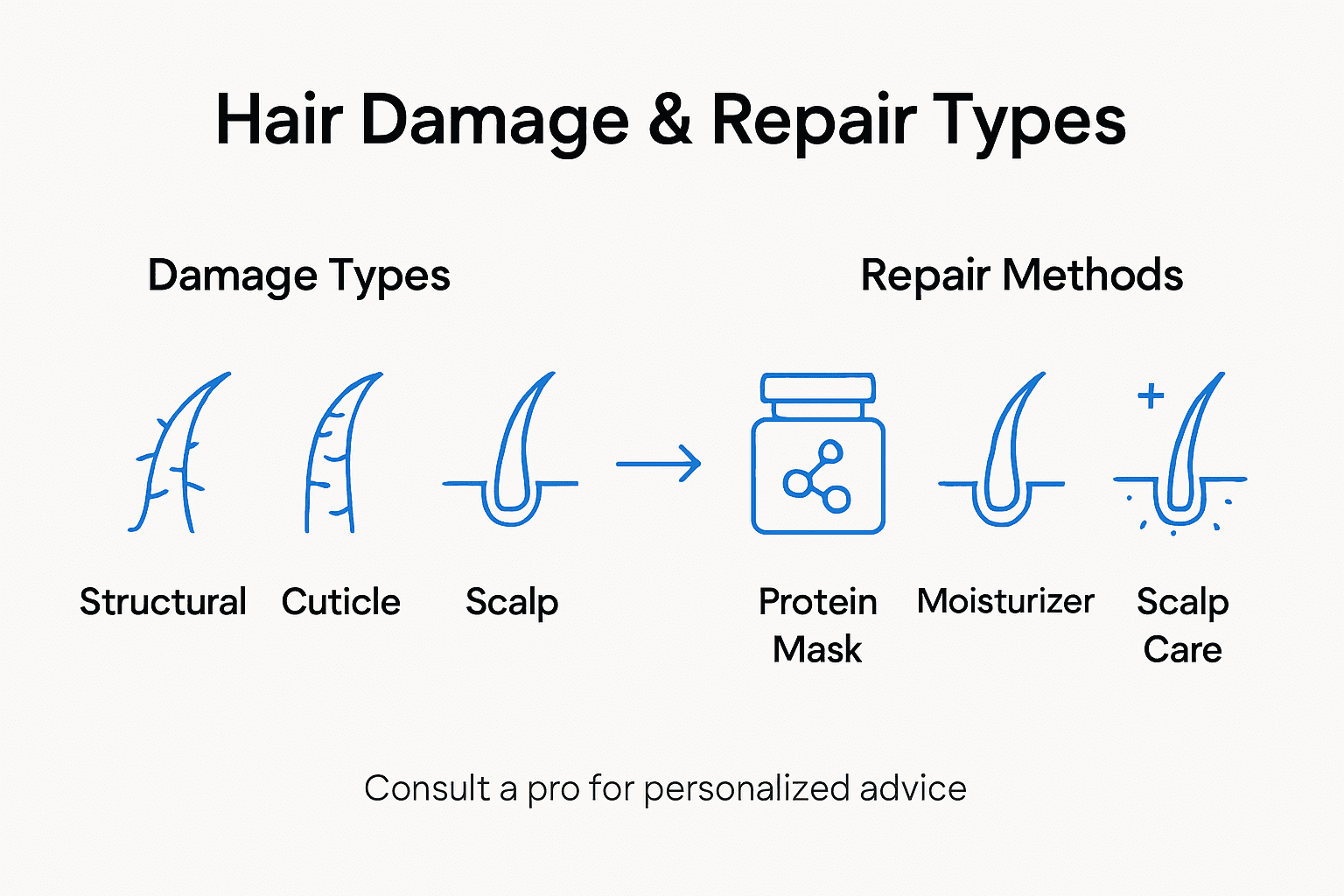
Pro tip: Rotate protein-based and moisturizing treatments to prevent protein overload while maintaining optimal hair structural integrity.
Risks, Limitations, and What to Avoid
Hair treatment strategies require careful navigation, as not all interventions are universally safe or effective. Comprehensive hair restoration limitations reveal a complex landscape of potential risks that demand informed decision making. Understanding these challenges is crucial for preventing inadvertent damage and managing realistic expectations about hair recovery.
Critical risks and limitations in hair repair include:
- Protein Overload: Excessive protein treatments can make hair brittle
- Chemical Damage: Aggressive treatments might cause further structural breakdown
- Allergic Reactions: Some ingredients trigger scalp inflammation
- Temporary Results: Many treatments provide only short-term improvements
- Individual Variability: Treatment effectiveness differs significantly between individuals
Preventing further hair damage requires strategic avoidance of certain practices. Individuals should steer clear of harsh chemical treatments, excessive heat styling, and products containing high levels of alcohol or sulfates. Recognizing that no single solution works universally means adopting a personalized, cautious approach that prioritizes hair's long-term health over quick cosmetic fixes.
Pro tip: Conduct a patch test with any new hair treatment and monitor your scalp's reaction for at least 24 hours before full application.
Comparing Leading Alternatives for Recovery
Hair restoration technologies have advanced significantly, offering multiple strategic approaches for addressing different types of hair damage. Comparative analysis of regenerative therapies reveals nuanced differences between treatment modalities that can significantly impact individual recovery outcomes. Understanding these alternatives allows individuals to make informed decisions tailored to their specific hair health challenges.
Key recovery alternatives include:
- Platelet-Rich Plasma (PRP) Therapy: Uses concentrated blood platelets to stimulate follicular regeneration
- Exosome Treatment: Leverages cellular communication vesicles for targeted hair restoration
- Stem Cell Interventions: Promotes natural regeneration through cellular manipulation
- Topical Protein Reconstructors: Provides immediate structural support and long-term repair
- Laser Phototherapy: Stimulates cellular metabolism and increases blood circulation
Each recovery method presents unique advantages and limitations, requiring careful consideration of individual hair condition, genetic predisposition, and desired outcomes. Successful hair restoration demands a personalized approach that combines multiple strategies, recognizing that no single technique offers a universal solution. Consulting with hair restoration specialists can help determine the most effective combination of treatments for optimal results.
Compare leading hair recovery methods at a glance:
| Method | Best For | Potential Drawbacks |
|---|---|---|
| PRP Therapy | Stimulating growth in thinning areas | Costly, multiple sessions needed |
| Exosome Treatment | Enhancing cell communication | Newer, long-term effects unknown |
| Stem Cell Interventions | Regenerating follicle health | Experimental, limited availability |
| Topical Protein Reconstructors | Immediate structural repair | Temporary results, risk of overload |
| Laser Phototherapy | Boosting overall scalp health | Requires regular use, variable results |
Pro tip: Document your hair's response to each treatment method through consistent photography and measurements to track progress and adjust your recovery strategy.
Discover Personalized Solutions for Damaged Hair with AI Precision
Damaged hair can feel overwhelming when structural breakage, scalp irritation, and oxidative stress threaten your confidence and hair health. This article highlights the complexity of hair damage and the need for tailored approaches rather than one-size-fits-all treatments. If you are tired of guessing which products or routines truly restore your hair’s resilience and vitality, personalized insights can transform your journey.
At MyHair.ai, our AI-powered platform delivers just that by analyzing your unique hair and scalp condition. Using advanced algorithms, we assess damage types like structural and cuticle damage, track your progress with regular scan uploads, and provide customized recommendations that truly match your hair’s needs. Explore how personalized growth projections and tailored product recommendations empower you to make informed, effective decisions rather than relying on generic solutions.
Take control of your hair health today and experience targeted hair repair strategies backed by science and AI precision.
Try MyHair.ai now for a detailed personal hair assessment and start your path to healthier hair. Don’t wait for damage to worsen when a clearer, personalized plan is just one scan away.
Frequently Asked Questions
What are the main types of hair damage?
The primary types of hair damage include structural damage (protein bond degradation), cuticle damage (erosion of the external layer), scalp damage (compromised follicular health), and oxidative damage (free radical interactions that affect cellular integrity).
How can I assess the health of my hair?
You can conduct a 'hair health audit' weekly by examining your hair under good lighting for signs of breakage, dryness, and split ends. Additionally, photographing your hair monthly can help track damage progression and treatment effectiveness.
What ingredients are effective for repairing damaged hair?
Key ingredients for hair repair include keratin proteins (to rebuild structure), ceramides (to seal and protect cuticles), hydrolyzed proteins (to reinforce strands), and natural oils (to provide deep moisture).
How does AI personalize hair care solutions?
AI personalizes hair care by analyzing individual hair and scalp conditions using image analysis, machine learning, environmental tracking, and progression monitoring, thereby generating customized treatment recommendations based on unique needs.