Blog
Learning Materials
7 Key Tips for Choosing Effective Hair Care Supplements
Updated: January 31, 2026
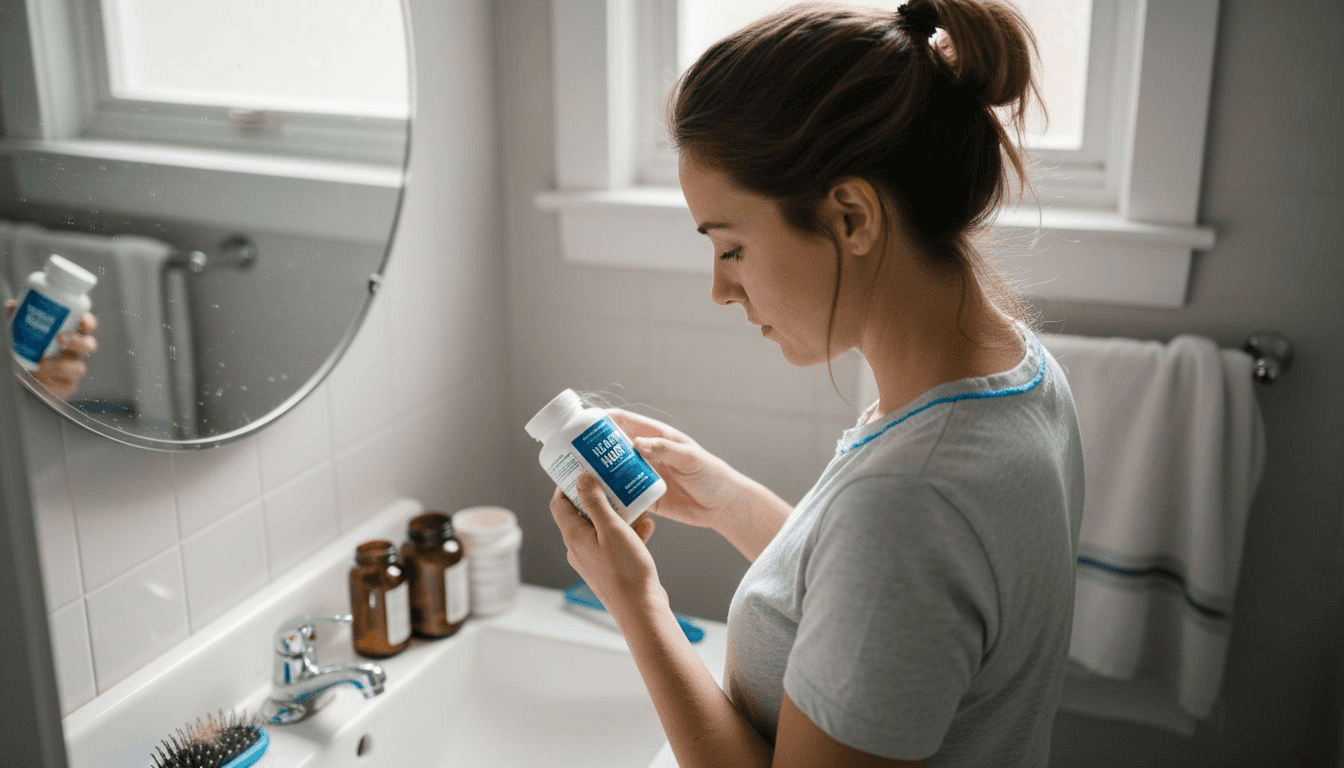
Struggling with thinning hair or noticing more strands in your brush can quickly feel overwhelming. Finding solutions is especially challenging when the choices seem endless and effectiveness is often uncertain. The reality is that hair care supplements can play a meaningful role in supporting hair growth and quality, but only when matched to your individual needs.
This list breaks down the practical steps and insider strategies you need to select, personalize, and track hair supplements for maximum impact. Get ready to discover proven ingredients, quality checks, and healthy routines that help you feel confident about your hair care decisions.
Table of Contents
- Understand the Role of Hair Care Supplements
- Identify Common Ingredients That Boost Growth
- Choose Supplements for Your Unique Hair Type
- Check for Quality and Safety Certifications
- Use AI Tools for Personalized Supplement Advice
- Monitor Progress and Adjust Dosage Safely
- Combine Nutrition, Lifestyle, and Supplements
Quick Summary
| Takeaway | Explanation |
|---|---|
| 1. Identify Nutritional Deficiencies | Understanding your specific nutritional gaps is essential for selecting effective hair care supplements. |
| 2. Choose Supplements Wisely | Not all supplements work the same for everyone; personalized selection is crucial for success. |
| 3. Monitor Your Progress | Keeping track of changes in hair health helps adjust supplementation and ensures effectiveness. |
| 4. Prioritize Quality Certifications | Look for third-party safety certifications to ensure the supplements meet stringent quality standards. |
| 5. Holistic Approach Matters | Combine diet, lifestyle, and supplements for optimal hair health rather than relying solely on supplements. |
1. Understand the Role of Hair Care Supplements
Hair care supplements aren't magic bullets but strategic nutritional interventions designed to address specific physiological deficiencies affecting hair health. When chosen thoughtfully they can play a critical role in supporting hair growth and maintenance.
Research reveals that nutritional gaps significantly impact hair quality and growth. Nutritional supplement evaluations demonstrate that targeted supplementation can help address underlying issues causing hair loss or reduced hair vitality.
Key aspects of understanding hair care supplements include:
- Identifying specific nutritional deficiencies impacting your hair
- Recognizing supplements are not universal solutions
- Understanding individual metabolic differences affect supplement effectiveness
Most hair care supplements focus on delivering essential nutrients that support hair follicle health:
- Biotin for keratin production
- Zinc for cellular repair
- Omega fatty acids for scalp circulation
- Vitamin D for hair follicle stimulation
Not all supplements work identically for every individual. Personalized nutritional analysis is crucial for determining the most effective approach.
Professional medical consultation remains critical. Shared decision-making between physicians and patients ensures supplement selections align with individual health profiles and minimize potential risks.
Pro tip: Consult a healthcare professional and request a comprehensive nutritional screening before starting any hair supplement regimen to ensure targeted and safe interventions.
2. Identify Common Ingredients That Boost Growth
Navigating the world of hair care supplements requires understanding which ingredients genuinely support hair growth and follicle health. Not all supplements are created equal and identifying scientifically supported ingredients is crucial for making informed choices.
Clinical research on hair growth ingredients reveals several key nutrients that can potentially enhance hair quality and growth.
Most effective hair growth ingredients include:
- Biotin (Vitamin B7)
- Zinc
- Iron
- Vitamin D
- Omega-3 fatty acids
- Antioxidants
- Plant extracts like saw palmetto
These ingredients work through various mechanisms:
- Supporting keratin production
- Improving scalp circulation
- Reducing inflammation
- Balancing hormonal interactions
Supplement effectiveness varies by individual metabolic profile and existing nutritional status.
Additional powerful ingredients include omega 3 and 6 fatty acids with antioxidants which exhibit potential anti-inflammatory properties beneficial for hair growth.
Pro tip: Consult a healthcare professional to conduct a comprehensive nutritional assessment and determine which specific ingredients align best with your unique physiological needs.
3. Choose Supplements for Your Unique Hair Type
Choosing hair supplements isn't a one-size-fits-all process. Your unique hair characteristics demand a personalized approach that considers multiple physiological factors.
Evidence-based supplement selection emphasizes the importance of tailoring nutritional support to individual hair needs and health conditions.
Key factors to consider when matching supplements to your hair type include:
- Hair density
- Scalp health
- Existing hair loss patterns
- Genetic predispositions
- Overall nutritional status
Different hair types require targeted nutritional strategies:
- Thin hair needs volume-boosting nutrients
- Curly hair requires extra moisture support
- Damaged hair demands protein-rich supplements
- Oily scalp needs balancing ingredients
Personalized supplement choices can significantly improve hair health and growth potential.
Supplements like biotin work differently based on individual metabolic profiles. Supplement ingredients like saw palmetto may help specific hair loss conditions by targeting hormonal mechanisms.
Pro tip: Photograph your hair and scalp quarterly to track supplement effectiveness and consult a healthcare professional for a comprehensive nutritional assessment.
4. Check for Quality and Safety Certifications
Not all hair care supplements are created equal. Quality and safety certifications are your first line of defense in selecting supplements that are genuinely effective and safe for consumption.
Third-party certification verification ensures supplement manufacturers meet rigorous standards for ingredient purity and manufacturing integrity.
Key certifications to look for include:
- GMP (Good Manufacturing Practice)
- ISO 22000
- FSSC 22000
- NSF International Certification
- USP (United States Pharmacopeia)
Important certification aspects to consider:
- Manufacturing process controls
- Ingredient testing protocols
- Contaminant screening
- Label accuracy verification
- Consistent product quality
Not all certifications are equal. Some provide deeper scrutiny than others.
Quality certification standards authenticate product integrity through comprehensive assessments of manufacturing environments and ingredient sourcing.
When reviewing certifications pay special attention to independent third-party verification processes that go beyond basic regulatory requirements.
Pro tip: Request certification documentation directly from manufacturers and cross-reference official certification body websites to confirm authenticity.
5. Use AI Tools for Personalized Supplement Advice
The era of generic supplement recommendations is over. Artificial intelligence now offers unprecedented precision in tailoring nutritional support to your unique physiological profile.
AI-powered supplement recommendation platforms leverage advanced algorithms to analyze individual health data and create targeted nutritional strategies.
Key benefits of AI-driven supplement advice include:
- Personalized recommendations based on comprehensive health profiles
- Elimination of guesswork in supplement selection
- Data-driven insights from scientific research
- Continuous adaptation to changing health needs
- Minimized risk of unnecessary supplementation
AI tools typically assess multiple factors:
- Detailed health questionnaires
- Genetic predispositions
- Lifestyle and dietary habits
- Current nutritional deficiencies
- Specific health goals
AI technology transforms supplement selection from a generic approach to a precision-targeted intervention.
Personalized supplement matching goes beyond traditional recommendations by integrating complex health data and scientific research to optimize wellness outcomes.
Modern AI platforms can track your progress and dynamically adjust recommendations as your health evolves.
Pro tip: Collect and maintain accurate health data to maximize the effectiveness of AI-powered supplement recommendation tools.
6. Monitor Progress and Adjust Dosage Safely
Effective hair supplement strategies require ongoing evaluation and potential recalibration. Progress tracking ensures optimal results while maintaining your health and safety.
Clinical studies on hair treatments emphasize the importance of systematic monitoring to assess supplement effectiveness and individual response.
Key parameters to track include:
- Hair density measurements
- Hair growth rate
- Hair fall reduction
- Overall hair texture
- Potential side effects
Progress monitoring involves multiple assessment methods:
- Regular photographic documentation
- Quantitative hair count techniques
- Scalp health evaluations
- Personal symptom tracking
- Professional medical consultations
Supplement effectiveness is not universal. Individual metabolic variations demand personalized tracking approaches.
Observational studies demonstrate that consistent 90-day monitoring can reveal significant improvements in hair health.
Consider working with healthcare professionals who can provide objective measurements and expert guidance for supplement adjustments.
Pro tip: Maintain a detailed journal documenting supplement intake, physical changes, and any side effects to facilitate informed discussions with healthcare providers.
7. Combine Nutrition, Lifestyle, and Supplements
Effective hair health isn't achieved through supplements alone. Holistic wellness strategies integrate nutrition, lifestyle, and targeted supplementation to support optimal hair growth and vitality.
Comprehensive hair health research demonstrates that multifaceted approaches yield superior results compared to isolated interventions.
Key lifestyle and nutritional factors include:
- Regular physical exercise
- Stress management techniques
- Balanced whole food diet
- Adequate hydration
- Sufficient sleep
- Limiting processed foods
- Reducing alcohol consumption
Nutritional strategies for hair support:
- Consume protein-rich foods
- Include omega-3 fatty acids
- Eat vitamin-dense vegetables
- Minimize sugar intake
- Maintain consistent meal patterns
Synergy between diet, lifestyle, and supplements creates a powerful environment for hair health.
Diet and nutrition critically influence hair quality by providing essential micronutrients that support follicle function and growth mechanisms.
Consider working with nutritionists to develop personalized strategies that complement your supplement regimen.
Pro tip: Create a comprehensive wellness journal tracking diet, supplement intake, lifestyle habits, and hair health to identify patterns and optimize your approach.
Below is a comprehensive summary table outlining the key aspects and recommendations discussed in the article on enhancing hair care through supplements and holistic wellness approaches.
| Aspect | Details | Key Takeaways |
|---|---|---|
| Supplements and Hair Health | Nutritional supplements target deficiencies affecting hair growth and maintenance, including nutrients like biotin, zinc, Vitamin D, and omega-3 fatty acids. | Personalized analysis and professional consultation enhance effectiveness. |
| Key Ingredients for Growth | Effective components include antioxidants, plant extracts, fatty acids, and essential vitamins for scalp health, inflammation reduction, and keratin production. | Identified components contribute to improved hair quality and growth. |
| Personalized Selection | Individual factors like hair type, density, and scalp health guide supplement choices. | Tailored approach ensures optimal results for unique hair needs. |
| Quality and Safety | Opt for supplements with certifications like GMP, USP, or NSF to ensure adherence to quality and purity standards. | Verify certification documentation for safer and reliable products. |
| Monitoring and Adjustment | Regular evaluation of hair condition, growth progress, and potential side effects is necessary to correct supplementation strategies. | Maintain a journal and collaborate with professionals to optimize regimens. |
| Nutrition and Lifestyle Harmony | Incorporate balanced diets rich in protein, veggies, and omega-3 while maintaining a healthy lifestyle through exercise and stress management. | A holistic wellness approach synergizes with supplementation to foster superior hair health. |
| Leverage AI Technology | Advanced tools assess individual health profiles for precise supplement recommendations, considering genetic and lifestyle data as well as nutritional needs. | Promotes accurate, personalized interventions for targeted improvements. |
This table encapsulates the multi-faceted strategies presented, providing guidance on effective hair care through integrative approaches.
Unlock Your Best Hair Growth Strategy with Personalized Insights
Choosing effective hair care supplements requires more than guesswork. The challenge lies in understanding your unique nutritional needs and monitoring progress safely to truly boost hair growth and vitality. If you want to avoid ineffective one-size-fits-all solutions and confidently select supplements backed by your own hair health data, embracing personalized technology is key.

Discover how MyHair.ai transforms the way you manage hair health by using AI-powered analysis of your hair scans. This scientific approach addresses common pain points such as identifying specific deficiencies, tracking hair condition over time, and recommending supplements tailored exactly to your hair type and goals. Don't wait for slow or uncertain results. Take control today and experience a data-driven, customized hair care journey. Visit MyHair.ai now to get started and unlock your hair's true potential.
Frequently Asked Questions
What are hair care supplements?
Hair care supplements are nutritional products designed to address specific deficiencies that impact hair health and growth. To choose the right ones, focus on identifying your unique nutritional needs through a comprehensive assessment.
How do I know which ingredients support hair growth?
Look for key ingredients like Biotin, Zinc, Omega-3 fatty acids, and Vitamin D, which are scientifically proven to enhance hair quality. Start by reviewing the supplement labels to ensure these essential nutrients are present.
How can I select supplements that match my hair type?
Consider factors such as your hair density, scalp health, and any existing hair loss patterns when selecting supplements. Tailor your choices by identifying specific needs, such as volume-boosting for thin hair or moisturizing for curly hair.
What certifications should I look for in hair care supplements?
Seek supplements with quality certifications like GMP (Good Manufacturing Practice) and NSF International Certification, which ensure product safety and integrity. Always verify these certifications with the manufacturer for added assurance.
How can I effectively monitor the progress of my hair supplement regimen?
Track your hair growth and health by documenting parameters such as hair density, texture, and any noticeable changes over time. Regularly assess these factors, ideally every three months, to inform any necessary adjustments to your supplement intake.
What lifestyle changes should I combine with my hair care supplements?
Integrate a balanced diet, regular exercise, stress management, and adequate hydration to enhance the effectiveness of your supplements. Aim for a holistic approach by maintaining these habits consistently to support overall hair health.