Blog
Learning Materials
Hair Care Treatment: Personalization with AI Insights
Updated: January 16, 2026

Starting to notice more strands on your pillow is an experience shared by millions worldwide. In fact, experts confirm that over 35 million American adults are affected by hair loss concerns each year. Understanding what truly works can be difficult, as hair care myths often spread faster than facts. This guide will help clarify common misconceptions, introduce advanced AI-driven solutions, and empower you to choose the safest, most effective treatments for lasting hair health and growth.
Table of Contents
- Defining Hair Care Treatment Myths and Facts
- Major Types of Hair Care Treatments Explained
- How AI Technology Personalizes Hair Care
- Benefits and Limitations of Personalized Treatments
- Common Risks, Mistakes, and Safety Precautions
Key Takeaways
| Point | Details |
|---|---|
| Chemical Treatments Pose Risks | Certain hair chemical treatments can release formaldehyde, making it essential to seek professional guidance and ensure proper ventilation during application. |
| Understanding Hair Dye Safety | The relationship between hair dyes and health is complex; individuals should weigh risks based on frequency of use and chemical composition. |
| Personalized Care Benefits | Customized hair care strategies can address unique individual needs more effectively than traditional methods, improving overall hair health. |
| Importance of Consultation | Always consult with professional hair specialists and dermatologists before undergoing treatments to mitigate risks and optimize results. |
Defining Hair Care Treatment Myths and Facts
Navigating the world of hair care involves separating scientific facts from widespread misconceptions. Many individuals unknowingly perpetuate myths that can potentially harm their hair health. Modern research provides critical insights into understanding what truly impacts hair treatment effectiveness.
One prevalent myth involves chemical treatments and potential health risks. The FDA consumer update on hair smoothing products reveals significant concerns about formaldehyde release during certain hair treatments. These chemical processes can pose unexpected health risks, challenging the assumption that all salon treatments are inherently safe. Professional application and proper ventilation are crucial factors in minimizing potential exposure.
Another critical area of misconception involves hair dye safety. According to the National Cancer Institute's comprehensive research, the relationship between hair dyes and health risks is more nuanced than many realize. While concerns exist about potential carcinogenic effects, scientific evidence suggests varying risk levels depending on frequency of use, chemical composition, and individual exposure. Occupational risks for hairdressers differ significantly from occasional personal hair coloring.
Pro tip: Always consult professional healthcare providers or certified hair specialists before undertaking any chemical hair treatments to understand your personal risk factors and potential health implications.
Major Types of Hair Care Treatments Explained
Hair care treatments encompass a wide range of approaches designed to address various hair health concerns. From cosmetic enhancements to medical interventions, understanding these treatments helps individuals make informed decisions about their hair management strategy. The comprehensive hair care techniques recommended by professional dermatologists highlight the complexity of maintaining optimal hair health.
Several primary categories of hair treatments exist, each targeting specific hair and scalp conditions. Cosmetic treatments include color processing, chemical straightening, and conditioning therapies that primarily focus on aesthetic improvements. These treatments can transform hair texture, appearance, and manageability. Medical hair treatments, in contrast, address underlying health issues such as hair loss, scalp disorders, and genetic predispositions. Hair restoration methodologies offer advanced solutions ranging from topical medications to surgical interventions, providing hope for individuals experiencing significant hair thinning or baldness.
Professional hair treatments can be broadly categorized into three main types: restorative, preventative, and aesthetic. Restorative treatments aim to repair damaged hair, using specialized proteins, keratin treatments, and deep conditioning therapies. Preventative treatments focus on maintaining hair health through protective strategies like UV shields, moisture balance, and scalp nutrition. Aesthetic treatments encompass color modification, styling treatments, and temporary texture alterations that enhance personal appearance and self-expression.
Here is a breakdown of major hair care treatment types and their primary purposes:
| Treatment Category | Main Purpose | Typical Methods |
|---|---|---|
| Restorative | Repair damaged hair | Protein, keratin, deep conditioning |
| Preventative | Maintain hair and scalp health | UV shields, moisture, nutrition |
| Aesthetic | Enhance appearance | Coloring, styling, texturizing |
Pro tip: Consult a professional trichologist or dermatologist to develop a personalized hair treatment plan that considers your unique hair type, health history, and specific hair care goals.
How AI Technology Personalizes Hair Care
Artificial intelligence is revolutionizing hair care by transforming how individuals understand and address their unique hair health needs. Advanced personalization technologies enable precise analysis of individual hair characteristics, moving beyond traditional one-size-fits-all approaches to create truly customized treatment strategies.
The core of AI-driven hair care personalization involves comprehensive data collection and sophisticated algorithmic analysis. These systems gather information through multiple channels, including smartphone camera scans, detailed user questionnaires, and environmental data tracking. Machine learning algorithms then process this complex data, identifying specific hair type patterns, potential genetic predispositions, environmental impact factors, and individual scalp health indicators. This allows for unprecedented levels of treatment recommendation accuracy, considering factors like humidity, pollution exposure, genetic hair loss tendencies, and individual hair structure.

AI technologies in hair care go beyond simple product recommendations. They can predict potential future hair health issues, suggest preemptive treatments, and provide real-time monitoring of hair condition changes. Advanced systems can track hair thickness, detect early signs of thinning, recommend targeted nutritional supplements, and even simulate potential treatment outcomes before actual implementation. This predictive capability represents a significant leap from traditional reactive hair care approaches, empowering users with proactive, data-driven insights into their unique hair health journey.
Pro tip: Capture high-quality, well-lit images of your hair and scalp when using AI hair analysis tools to ensure the most accurate personalized recommendations.
Benefits and Limitations of Personalized Treatments
Personalized hair care treatments represent a groundbreaking approach to addressing individual hair health challenges. Customized treatment strategies offer unprecedented potential for targeted hair and scalp management, moving beyond generic solutions to address specific individual needs.
The benefits of personalized treatments are substantial and multifaceted. These approaches provide precise interventions tailored to unique hair characteristics, genetic predispositions, and environmental influences. Unlike traditional one-size-fits-all methods, personalized treatments can accurately diagnose underlying hair health issues, recommend specific nutritional supplements, and develop treatment plans that consider individual factors such as hair texture, scalp condition, hormonal variations, and lifestyle impacts. This nuanced approach allows for more effective management of complex hair concerns like thinning, breakage, and scalp disorders.
However, personalized treatments are not without limitations. Comprehensive medical insights reveal significant challenges including variable treatment effectiveness, potentially high costs, and the need for ongoing professional monitoring. Individual genetic variations, health conditions, and response mechanisms can dramatically impact treatment outcomes. Some personalized approaches may require extensive diagnostic processes, multiple consultations, and continuous adjustments, which can be time-consuming and financially demanding. Additionally, not all advanced treatments are universally accessible, creating potential disparities in hair health management.
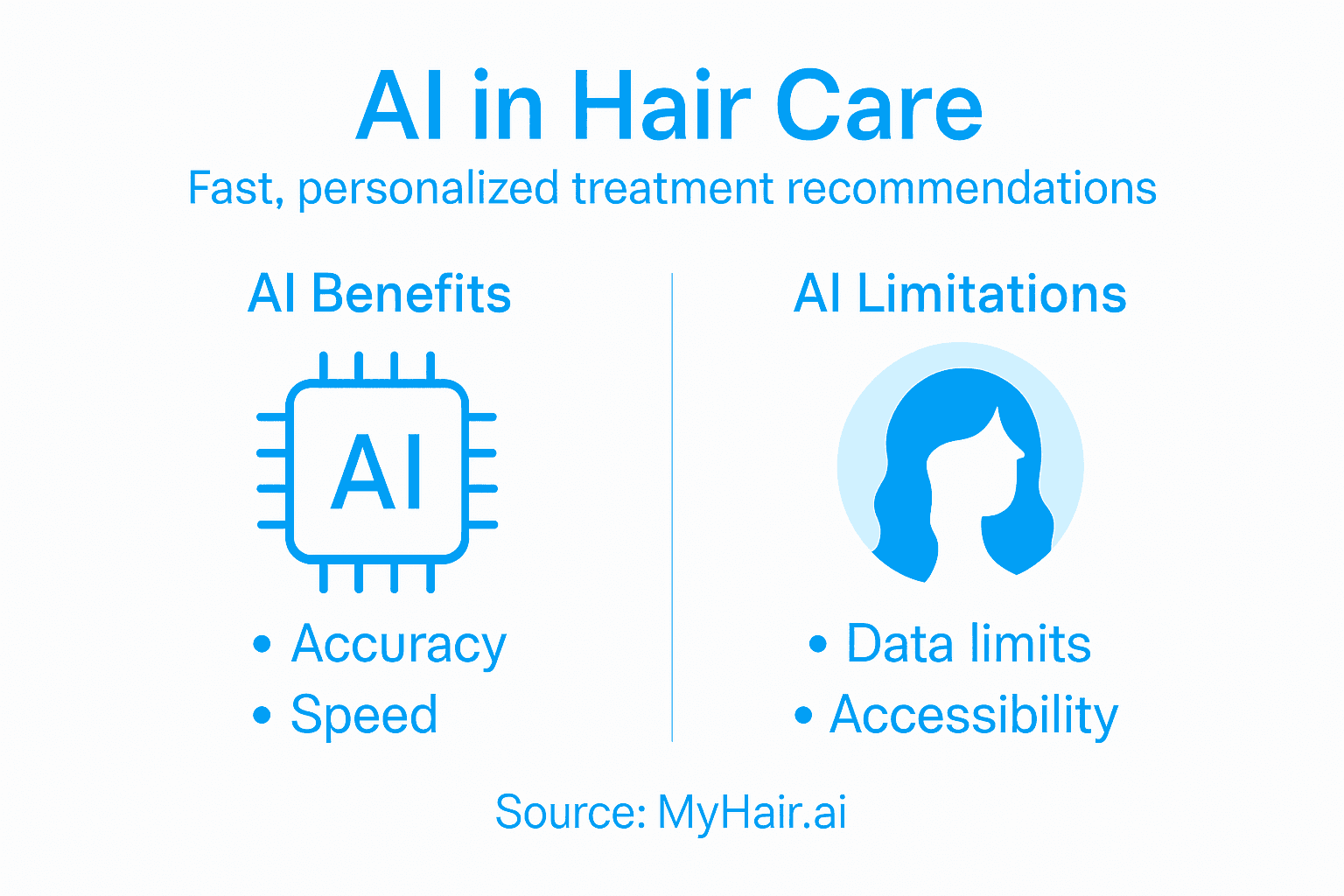
Here’s a summary comparing benefits and limitations of personalized vs. traditional hair treatments:
| Approach | Major Benefit | Major Limitation |
|---|---|---|
| Personalized | Tailored to unique hair needs | May have higher costs and complexity |
| Traditional | Simple to access and use | Less effective for unique concerns |
Pro tip: Maintain detailed documentation of your hair treatment responses to help healthcare professionals refine and optimize your personalized care strategy.
Common Risks, Mistakes, and Safety Precautions
Hair care treatments involve complex processes that require careful navigation to ensure personal safety and optimal results. Chemical exposure risks represent a critical concern for individuals seeking hair treatments, with potential health implications that extend far beyond aesthetic considerations.
Common mistakes in hair treatment often stem from a lack of professional guidance and insufficient understanding of individual hair characteristics. Individuals frequently make errors such as applying harsh chemical treatments without proper consultation, using products incompatible with their specific hair type, and neglecting crucial pre and post-treatment care protocols. These missteps can lead to significant damage, including hair breakage, scalp irritation, and long-term structural compromises to hair health. Professional assessments are essential in mitigating these risks and developing tailored treatment strategies.
Safety precautions in hair care treatments demand a multifaceted approach. Comprehensive hygiene practices are fundamental to preventing potential infections and minimizing adverse reactions. This includes thorough screening for allergies, conducting patch tests before full treatment applications, ensuring proper salon ventilation, using high-quality and certified products, and maintaining stringent personal hygiene standards. Understanding the potential interactions between existing health conditions, medications, and hair treatment chemicals is crucial for preventing unexpected complications.
Pro tip: Always request a comprehensive consultation and patch test before undergoing any chemical hair treatment to identify potential allergic reactions and ensure personal safety.
Unlock Personalized Hair Care Solutions with AI Insights
Understanding your unique hair needs is the first step toward healthier hair. As the article explains, challenges like managing hair damage, preventing hair loss, and choosing the right treatments can feel overwhelming without expert guidance. Pain points such as avoiding harmful chemical exposure and tailoring treatments to individual hair types require precise, data-driven approaches. That is why embracing AI-powered personalization, as detailed in this article, is a game changer for anyone serious about optimizing their hair health.
Discover how MyHair.ai leverages advanced AI technology to analyze your hair condition with unmatched accuracy. This platform goes beyond simple product suggestions by offering detailed assessments tailored to your hair structure, scalp health, and environmental factors. With easy-to-use tools and real-time tracking, you gain the insights you need to avoid common mistakes and apply the safest and most effective personalized treatments.
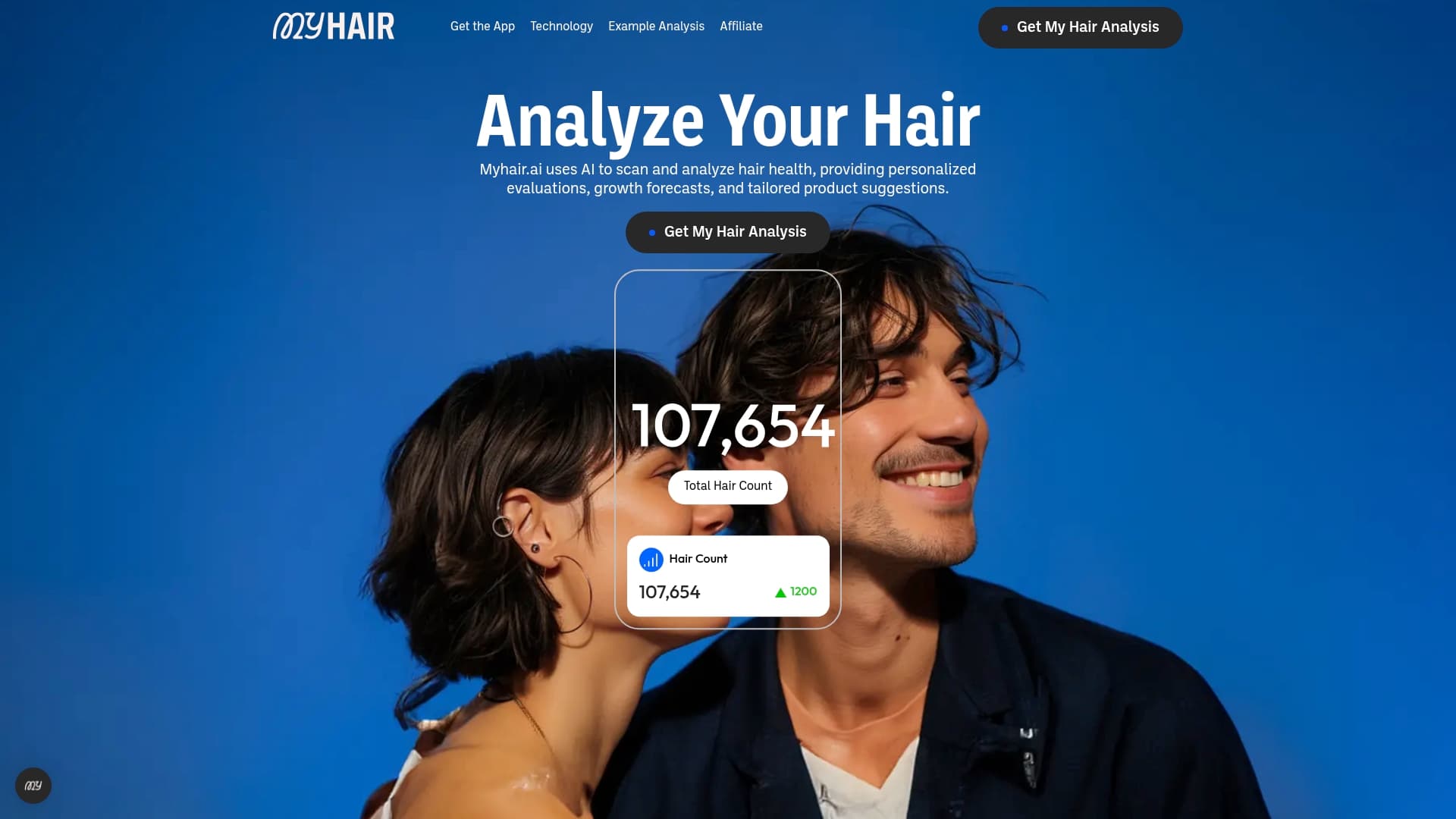
Take control of your hair care journey now. Visit MyHair.ai to start your personalized analysis and see how scientifically backed recommendations can transform your hair health. Don’t wait while problems worsen. Act today to protect and revitalize your hair with expert AI support.
Frequently Asked Questions
What are the benefits of using AI technology in hair care treatments?
AI technology provides personalized hair care by analyzing individual hair characteristics and recommending tailored treatment strategies based on data such as hair type, scalp health, and environmental factors.
How does AI assess my hair health for personalized treatment?
AI systems collect data through smartphone camera scans and questionnaires, then use algorithms to analyze this information and identify specific patterns related to hair structure and potential health issues.
Are personalized hair treatments more effective than traditional options?
Personalized treatments are tailored to individual needs, which can lead to more effective management of specific hair concerns compared to traditional one-size-fits-all methods.
What precautions should I take before starting a new hair care treatment?
Always consult a professional for a comprehensive assessment, conduct patch tests for potential allergic reactions, and ensure you understand any required pre and post-treatment care protocols.
Recommended
- Hair Treatment Explained: Methods, Risks, and Results | MyHair
- Achieve Real Results with AI-Powered Hair Growth Therapy | MyHair
- Long Hair Care Routine 2025: Grow Stronger and Fuller Hair | MyHair
- Hair and Care: Improving Growth With Personalized AI | MyHair
- Biotin Boost Hair Serum – Didis Beauty Center