Blog
Learning Materials
Hair Loss Treatment Products – Choosing What Works
Updated: December 7, 2025

More than 50 million American adults deal with noticeable hair loss at some point in their lives. This issue affects people of every age and background, shaping self-esteem and daily confidence in deeply personal ways. With so many treatments available and new solutions appearing all the time, understanding which hair loss products truly work can be confusing. Learn how to recognize, compare, and confidently choose the best hair restoration options for your unique needs.
Table of Contents
- Hair Loss Treatment Products Defined Clearly
- Popular Types of Hair Loss Treatments Today
- How Topical and Oral Treatments Function
- Assessing Results and Important Safety Risks
- Comparing Products and Alternative Solutions
Key Takeaways
| Point | Details |
|---|---|
| Understanding Hair Loss Types | Identifying the type and cause of hair loss is crucial in selecting the appropriate treatment product. Consider factors like genetic predisposition and personal health history. |
| Comprehensive Treatment Approaches | Effective hair loss solutions often involve a multifaceted approach, integrating pharmaceutical, nutritional, and lifestyle interventions. Consult a healthcare professional for personalized recommendations. |
| Sales and Efficacy of Treatments | Evaluate treatments based on their effectiveness, potential side effects, and long-term sustainability to ensure the best outcomes. Regular assessments are recommended for measuring progress. |
| Emerging Alternatives | New therapies such as platelet-rich plasma and low-level laser therapy offer innovative options that may enhance traditional treatment regimens. Research and professional guidance can aid in exploring these alternatives. |
Hair Loss Treatment Products Defined Clearly
Understanding hair loss treatment products requires a nuanced approach to categorizing and evaluating potential solutions. Hair loss treatments are specialized products designed to address various types of hair thinning and balding conditions, ranging from genetic predispositions to environmental factors. Medical research has comprehensively identified multiple categories of hair loss, including androgenetic alopecia, telogen effluvium, and alopecia areata.
These treatment products typically fall into several strategic categories, each targeting specific hair loss mechanisms. Topical solutions like minoxidil work directly on hair follicles to stimulate growth, while oral medications such as finasteride address hormonal influences on hair loss. Some advanced treatments incorporate complex formulations that combine multiple active ingredients to provide comprehensive hair restoration support. Researchers analyzing anti-hair loss products have discovered that effective treatments often integrate specific botanical extracts, peptides, and growth factors to potentially reverse or slow hair thinning processes.
Effective hair loss treatment product selection involves understanding your specific hair loss type and underlying causes. Key considerations include:
- Your specific pattern of hair loss
- Genetic predisposition
- Potential side effects of treatment
- Personal health history
- Budget and long-term commitment
While no single solution guarantees complete hair restoration, a personalized approach combining medical consultation, targeted products, and consistent application can significantly improve hair health and potentially slow progressive hair loss.
Popular Types of Hair Loss Treatments Today
Hair loss treatments have evolved significantly, offering diverse solutions for individuals experiencing various forms of hair thinning and balding. Modern treatment approaches range from topical medications to advanced therapeutic interventions, targeting different underlying causes and mechanisms of hair loss.
Traditional pharmaceutical interventions remain cornerstone treatments in hair restoration. Topical treatments like minoxidil work by stimulating hair follicle activity, while oral medications such as finasteride address hormonal influences on hair loss. Beyond these standard approaches, innovative therapies have emerged, including platelet-rich plasma (PRP), mesotherapy, and low-level laser therapy, which offer promising alternatives for individuals seeking comprehensive hair restoration strategies.
The most effective hair loss treatments typically involve a multifaceted approach:
- Pharmaceutical interventions
- Surgical hair transplantation
- Regenerative therapies
- Nutritional supplementation
- Lifestyle modifications
Choosing the right treatment depends on individual factors such as age, underlying health conditions, genetic predisposition, and the specific type of hair loss. Consulting with a healthcare professional can help determine the most appropriate and personalized approach to addressing hair loss concerns.
How Topical and Oral Treatments Function
Hair loss treatments operate through sophisticated molecular mechanisms targeting specific biological pathways responsible for hair follicle health and growth. 5α-reductase inhibitors represent a critical pharmaceutical approach in managing androgenetic alopecia, functioning by blocking the enzymatic conversion of testosterone into dihydrotestosterone (DHT), a hormone directly linked to hair follicle miniaturization.
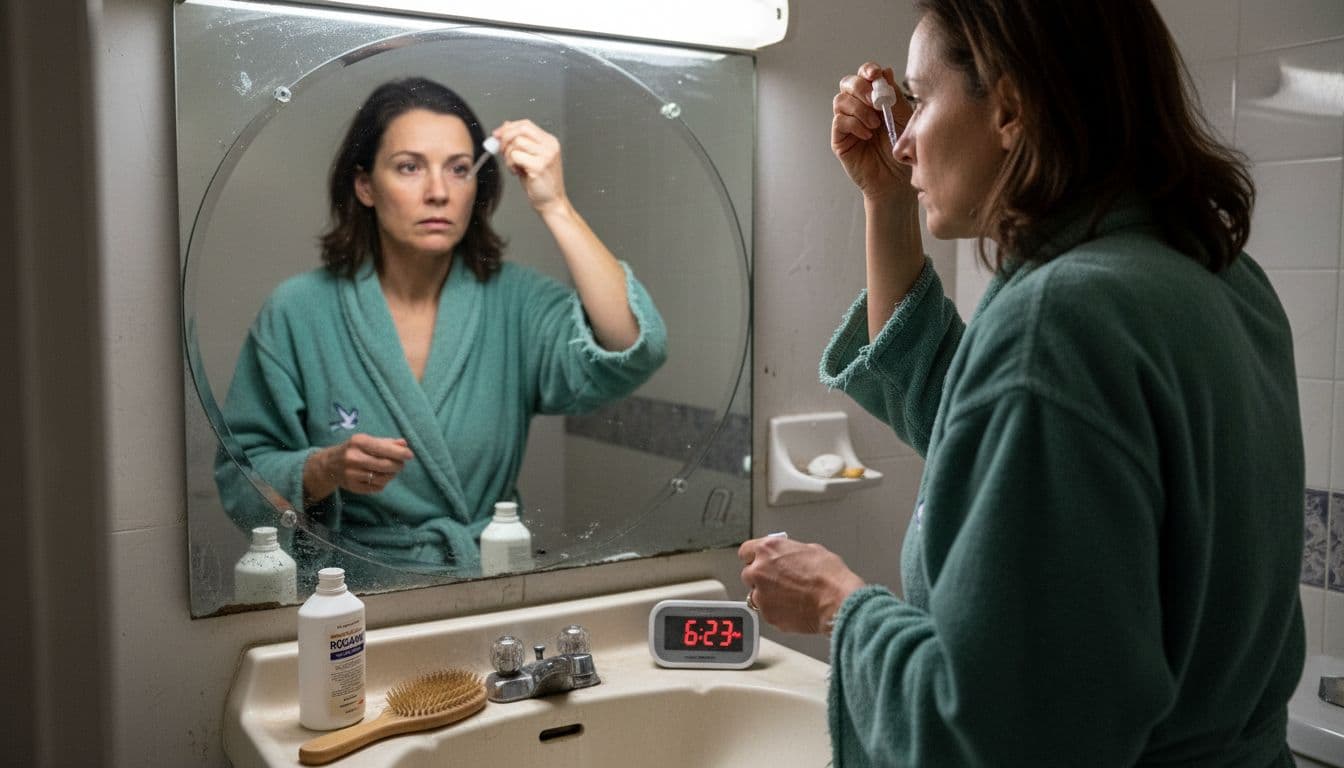
Topical treatments work through diverse strategies designed to stimulate hair growth and prevent further loss. While traditional medications like minoxidil improve blood circulation to hair follicles, more advanced approaches are emerging. Innovative compounds such as GT-20029 target androgen receptors directly, facilitating receptor degradation and potentially interrupting the biological mechanisms that contribute to hair loss.
The primary mechanisms of hair loss treatments can be categorized into several key approaches:
- Hormonal regulation
- Follicular stimulation
- Cellular metabolism enhancement
- Inflammation reduction
- Blood circulation improvement
Successful hair loss intervention requires understanding individual genetic predispositions, hormone levels, and specific hair loss patterns. Consulting with healthcare professionals can help develop a personalized treatment strategy that addresses the unique underlying causes of hair thinning and potential restoration opportunities.
Assessing Results and Important Safety Risks
Evaluating the effectiveness of hair loss treatments requires a comprehensive approach that considers both clinical outcomes and potential adverse effects. Systematic reviews of topical prostaglandin analogs have demonstrated promising results in hair restoration, while simultaneously highlighting the importance of understanding individual response variations and potential treatment risks.
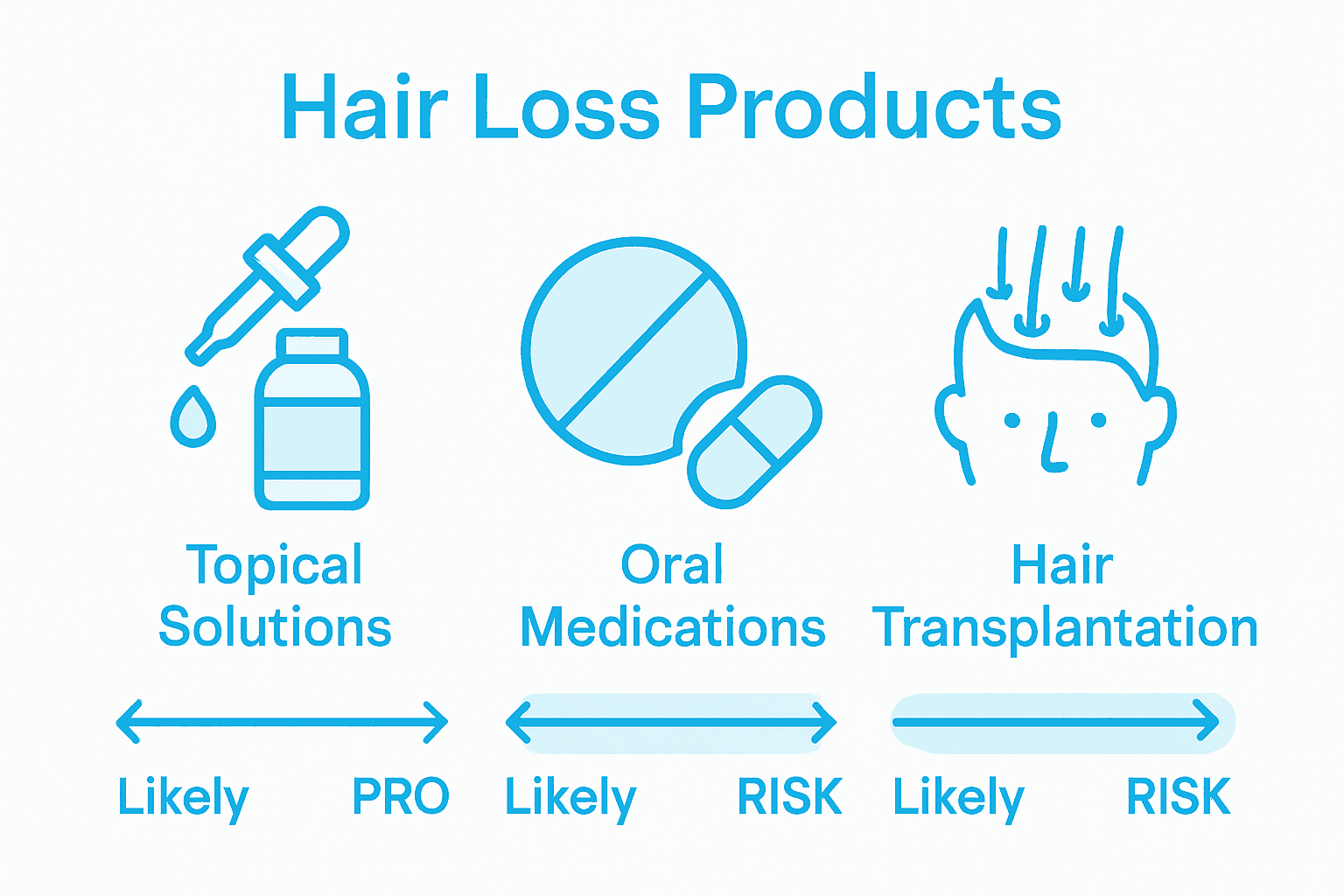
Safety considerations are paramount when selecting hair loss interventions. 5α-reductase inhibitors, while effective in managing hair loss, can potentially introduce significant side effects including sexual dysfunction and mood disorders. Users must carefully weigh the potential benefits against possible physiological and psychological impacts, making informed decisions through thorough consultation with healthcare professionals.
Key factors to consider when assessing hair loss treatment results include:
- Rate of hair regrowth
- Percentage of hair density improvement
- Duration of treatment effectiveness
- Individual genetic responsiveness
- Potential side effect profile
Successful treatment monitoring involves regular medical assessments, documenting progress through precise measurements, photographic tracking, and comprehensive discussions with healthcare providers. Understanding that individual responses vary significantly can help manage expectations and develop personalized, adaptive treatment strategies.
Comparing Products and Alternative Solutions
The landscape of hair loss treatments has expanded significantly, offering a diverse range of therapeutic options beyond traditional pharmaceutical interventions. Comparative studies have revealed multiple treatment approaches, ranging from conventional medications like minoxidil and finasteride to innovative therapies such as low-level light therapy, each with unique mechanisms and potential effectiveness.
Alternative treatment strategies have gained substantial traction in recent years, providing individuals with more comprehensive options for addressing hair loss. Contemporary approaches include platelet-rich plasma (PRP) therapy, mesotherapy, polynucleotide treatments, and advanced laser therapies, which offer nuanced solutions that extend beyond traditional pharmaceutical interventions.
Key comparative factors for evaluating hair loss treatments include:
- Treatment mechanism
- Clinical effectiveness rate
- Time to observable results
- Cost considerations
- Potential side effects
- Long-term sustainability
Successful treatment selection requires a personalized approach that considers individual genetic predispositions, underlying health conditions, and specific hair loss patterns. Consulting with healthcare professionals can help navigate the complex landscape of available treatments, ensuring a tailored strategy that maximizes potential hair restoration outcomes.
Discover Personalized Solutions for Your Hair Loss Journey
Choosing the right hair loss treatment can feel overwhelming given the many options and complex factors involved. This article highlights key challenges like understanding your specific hair loss type, recognizing hormonal influences such as DHT, and weighing treatment effectiveness versus potential side effects. If your goal is targeted hair restoration supported by scientific insights, you need more than generic advice.
MyHair.ai offers an advanced, AI-based hair health analysis designed to bring clarity to your unique hair condition. Using detailed scan uploads and personalized growth projections, the platform empowers you with tailored product recommendations that align with your genetic patterns and hair loss mechanisms. This approach helps you make informed decisions about treatments such as topical medications or regenerative therapies based on your individual needs.
Make your hair care journey smarter and more precise. Explore personalized growth projections now to track your hair changes and receive expert product guidance.
Take control today by visiting MyHair.ai and discovering how AI-driven insights can revolutionize your hair loss treatment strategy. Don't wait to embrace a solution tailored just for you.
Frequently Asked Questions
What types of hair loss treatment products are available?
Hair loss treatments can be categorized into several types, including topical solutions like minoxidil, oral medications such as finasteride, regenerative therapies like platelet-rich plasma (PRP), and low-level laser therapy. Each type targets different underlying causes of hair loss.
How do topical and oral hair loss treatments work?
Topical treatments generally stimulate hair growth and improve blood circulation to the hair follicles. Oral medications often target hormonal factors associated with hair loss. Both approaches aim to enhance follicular health and reduce hair thinning over time.
What factors should I consider when selecting a hair loss treatment?
Key factors include your specific pattern of hair loss, genetic predisposition, potential side effects, personal health history, and budget for treatment. Understanding these aspects can help you choose the most effective treatment.
Are there any risks associated with hair loss treatments?
Yes, there can be risks and side effects depending on the type of treatment. For instance, 5α-reductase inhibitors may cause sexual dysfunction and mood disorders. It's essential to discuss potential risks with a healthcare professional before starting any treatment.
Recommended
- Hair Loss Clinic: Diagnosis, Treatment, and Prevention | MyHair
- How to Reverse Balding: Effective Solutions for Hair Regrowth | MyHair
- 7 Recommended Hair Loss Treatment Strategies for 2025 | MyHair
- Hair Treatment for Thinning Hair - Options & Guide 2025 | MyHair
- Hair Extensions for Thin Hair Tutorial: Effortless Guide
- Complete Guide to Reasons for Hair Thinning - Joel C Ma Hair Studio