Blog
Learning Materials
Hair Nutrition Food: Boosting Growth and Vitality
Updated: December 16, 2025

Every American encounters countless myths about hair nutrition in daily life. More than half of consumers believe that taking any supplement will result in thicker, stronger hair. Yet the science behind hair health tells a more complicated story. From social media claims to supermarket shelves, understanding what truly nourishes your hair can make a real difference. This guide reveals which nutrients matter most, clears up confusion, and helps you make confident decisions about maintaining strong, vibrant hair.
Table of Contents
- Defining Hair Nutrition And Common Myths
- Essential Nutrients For Healthy Hair Growth
- Top Foods That Promote Hair Strength
- How Diet Impacts Hair Loss Or Thinning
- Common Diet Mistakes And What To Avoid
Key Takeaways
| Point | Details |
|---|---|
| Importance of Nutrients | Hair health is significantly influenced by essential nutrients like biotin, zinc, and omega-3 fatty acids, which are critical for growth and strength. |
| Holistic Diet Approach | A balanced diet incorporating diverse foods ensures the body receives necessary vitamins and minerals vital for robust hair health. |
| Myth of Quick Fixes | Diet alone cannot reverse genetic predispositions to hair changes; it should complement overall hair health efforts. |
| Consequences of Poor Nutrition | Nutritional deficiencies and extreme diets can lead to hair thinning and loss, highlighting the need for a comprehensive nutritional strategy. |
Defining Hair Nutrition and Common Myths
Hair nutrition represents a complex interplay of dietary elements that significantly impact follicle health and growth potential. Understanding the fundamental relationship between what we consume and how our hair responds requires dispelling several prevalent misconceptions. The science behind hair health reveals that nutrition goes far beyond simple supplementation.
Contrary to popular belief, hair nutrition isn't just about consuming random vitamins or minerals. Our hair requires a strategic approach involving specific trace elements like zinc, iron, calcium, and iodine. These micronutrients play critical roles in supporting keratin production, which forms the primary protein structure of hair strands. Amino acids and polyunsaturated fatty acids also contribute substantially to maintaining hair strength and preventing breakage.
Some widespread myths about hair nutrition deserve thorough examination. Many people mistakenly believe that dietary interventions can completely reverse aging-related hair changes or guarantee perfect hair growth. Nutritional experts consistently highlight that while diet plays a significant role, genetic factors remain the predominant determinant of hair characteristics. A balanced diet supports hair health but cannot entirely circumvent genetic predispositions.
Pro Tip - Nutrition Strategy: Develop a holistic nutritional approach by incorporating lean proteins, omega-3 rich foods, and diverse micronutrients into your diet, focusing on consistent intake rather than sporadic supplementation.
Essential Nutrients for Healthy Hair Growth
Healthy hair growth depends on a carefully balanced array of essential nutrients that support follicle function and overall hair vitality. Key micronutrients play critical roles in maintaining robust hair health, functioning as fundamental building blocks for strong, resilient strands.
Primary nutrients essential for optimal hair growth include biotin, vitamin D, vitamin E, zinc, and iron. These micronutrients work synergistically to support hair follicle function, stimulate protein production, and prevent premature hair loss. Biotin, for instance, helps strengthen keratin infrastructure, while zinc promotes cellular repair and regeneration within hair follicles. Clinical studies demonstrate that nutraceutical interventions can significantly improve hair density and reduce hair loss when these nutrients are strategically incorporated into one's diet.

Nutritional sources for these critical hair growth nutrients vary widely. Biotin can be found in eggs, nuts, and whole grains, while vitamin D is abundant in fatty fish, fortified dairy products, and sunlight exposure. Iron-rich foods like lean meats, spinach, and legumes support hemoglobin production, which directly impacts hair follicle health. Zinc is prevalent in oysters, beef, and pumpkin seeds, providing essential mineral support for hair growth mechanisms.
Pro Tip - Nutrient Absorption Strategy: Combine iron-rich foods with vitamin C sources to enhance mineral absorption, and consider consulting a nutritionist to develop a personalized dietary plan targeting comprehensive hair health.
Here's a quick summary of key nutrients essential for hair growth and their primary benefits:
| Nutrient | Main Function for Hair | Typical Food Sources |
|---|---|---|
| Biotin | Strengthens keratin structure | Eggs, nuts, whole grains |
| Vitamin D | Supports follicle cycling | Fatty fish, dairy, sunlight |
| Vitamin E | Protects from oxidative stress | Nuts, seeds, leafy greens |
| Zinc | Aids follicle repair | Oysters, beef, pumpkin seeds |
| Iron | Helps oxygenate follicles | Lean meats, spinach, legumes |
Top Foods That Promote Hair Strength
Building robust and healthy hair requires strategic nutritional choices that go beyond basic supplementation. Antioxidant-rich foods play a crucial role in combating oxidative stress and supporting hair vitality, creating a foundation for stronger, more resilient strands.
A comprehensive approach to hair nutrition involves incorporating a diverse range of nutrient-dense foods. Protein-rich sources like chicken, fish, eggs, and legumes provide essential amino acids necessary for keratin production. Omega-3 fatty acids found in salmon, mackerel, and chia seeds help nourish hair follicles, reducing inflammation and promoting scalp health. Dark leafy greens such as spinach and kale deliver critical minerals like iron and vitamin A, which are fundamental in supporting hair growth and preventing breakage.
Specific superfoods stand out for their exceptional hair-strengthening properties. Berries packed with vitamin C enhance collagen production and improve iron absorption. Nuts and seeds, particularly almonds and pumpkin seeds, contain zinc and selenium that support hair cell regeneration. Sweet potatoes offer beta-carotene, which the body converts to vitamin A, crucial for maintaining a healthy scalp and promoting natural hair shine. Garlic, beyond its culinary uses, contains compounds that can help stimulate hair growth and prevent potential hair loss.
Pro Tip - Dietary Diversity: Create colorful, varied meals that incorporate multiple hair-strengthening food groups, ensuring a comprehensive nutritional approach to maintaining strong, vibrant hair.
How Diet Impacts Hair Loss or Thinning
Nutritional deficiencies play a significant role in hair loss and thinning, creating complex interactions between diet and hair follicle health. Iron deficiency represents a critical factor in compromising hair growth, directly impacting the oxygen supply necessary for robust hair production.
The metabolic pathways connecting nutrition to hair health involve multiple interconnected mechanisms. Protein malnutrition can dramatically reduce keratin production, leading to weaker hair strands prone to breakage. Mineral deficiencies like zinc, iron, and selenium disrupt hair growth cycles, causing premature shedding and reduced follicular regeneration. Hormonal imbalances triggered by poor nutritional intake can further exacerbate hair thinning, creating a cascading effect that undermines overall hair vitality.
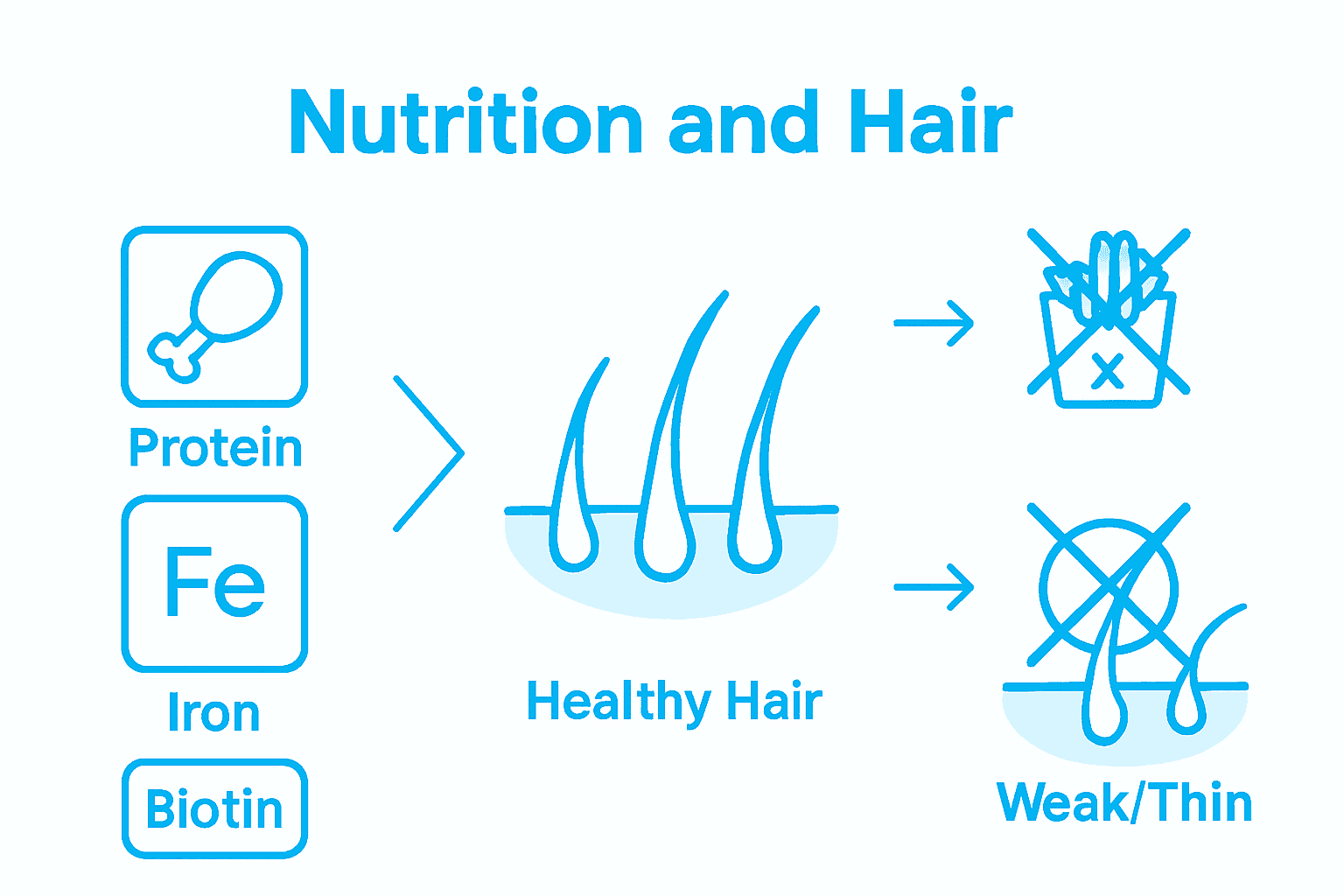
Certain dietary patterns emerge as particularly detrimental to hair health. Restrictive diets lacking essential nutrients, rapid weight loss programs, and excessive consumption of processed foods can trigger telogen effluvium, a condition characterized by widespread hair shedding. Chronic stress combined with nutritional insufficiencies compounds the risk, potentially accelerating hair loss processes. Balanced nutrition that includes adequate protein, complex carbohydrates, healthy fats, and a comprehensive range of vitamins and minerals serves as the most effective defense against nutritionally induced hair thinning.
Pro Tip - Nutritional Tracking: Maintain a detailed food diary to identify potential nutrient gaps and consult a registered dietitian to develop a personalized nutrition strategy targeting hair health and preventing potential loss.
Common Diet Mistakes and What to Avoid
Nutritional errors can significantly compromise hair health, creating long-term consequences for hair growth and vitality. Understanding these dietary pitfalls is crucial in developing a comprehensive strategy for maintaining robust hair strength and preventing unnecessary shedding.
Some of the most detrimental dietary mistakes involve nutrient deficiencies and unbalanced food intake. Extreme calorie restriction or following trendy elimination diets can deprive the body of essential proteins, vitamins, and minerals necessary for hair follicle maintenance. Insufficient intake of iron, vitamin C, and omega-3 fatty acids disrupts the natural hair growth cycle, leading to weakened strands and increased breakage. Processed food diets lacking in colorful fruits and vegetables further compound these nutritional challenges by reducing antioxidant consumption critical for cellular health.
Specific dietary patterns pose significant risks to hair vitality. Low-protein diets can drastically reduce keratin production, while diets high in refined sugars and unhealthy fats create inflammatory responses that negatively impact hair follicle function. Antioxidant-poor nutrition strategies can accelerate oxidative stress, potentially triggering premature hair aging and thinning. Rapid weight loss programs and yo-yo dieting also shock the metabolic system, often resulting in telogen effluvium, a condition characterized by sudden and widespread hair shedding.
Pro Tip - Nutritional Balance: Create a diverse, nutrient-dense meal plan that includes a variety of colorful vegetables, lean proteins, and healthy fats, ensuring consistent nutritional support for optimal hair health.
Below is a comparison of common nutritional mistakes and their impact on hair health:
| Dietary Mistake | Potential Hair Consequence | Recommended Correction |
|---|---|---|
| Extreme calorie restriction | Increased shedding and brittle strands | Maintain sufficient calories and protein |
| Low-protein diet | Weak hair structure and breakage | Include lean proteins daily |
| Excess processed foods | Poor scalp health, inflammation | Focus on whole, vitamin-rich foods |
| Iron or omega-3 deficiency | Thinning and slow growth | Add iron and fatty acid sources |
Unlock Personalized Hair Nutrition Insights for Stronger Growth
Understanding the complex role of essential nutrients like biotin, zinc, and iron in hair health can be overwhelming. If you are struggling with hair thinning or loss caused by nutritional gaps or want to optimize your diet to boost hair vitality, personalized analysis becomes crucial. The challenges around identifying specific deficiencies and tailoring your nutritional intake require a clear, data-driven approach.
Take control today by discovering how your unique hair profile responds to different nutrients with AI-powered precision. At MyHair.ai, you gain access to advanced hair health analysis and personalized growth projections that help you pinpoint exactly which nutrients your hair needs. Personalized growth projections guide you toward smarter choices while tailored product recommendations connect you with effective solutions designed around your hair’s specific needs.
Start your journey to healthier hair now by uploading your scan and unlocking customized insights that directly address nutritional impacts like iron deficiency or protein malnutrition mentioned in "Hair Nutrition Food Boosting Growth and Vitality." Don’t wait for hair loss to worsen. Visit MyHair.ai and transform your hair care with technology designed just for you.
Frequently Asked Questions
What are the essential nutrients for hair growth?
The essential nutrients for hair growth include biotin, vitamin D, vitamin E, zinc, and iron. These micronutrients support hair follicle function, stimulate protein production, and help prevent hair loss.
How does diet impact hair loss or thinning?
Diet can significantly impact hair loss or thinning through nutritional deficiencies. Insufficient intake of proteins, vitamins, and minerals, particularly iron and zinc, can disrupt the natural hair growth cycle and lead to increased shedding and weaker hair strands.
What common dietary mistakes should I avoid for healthy hair?
Common dietary mistakes that can compromise hair health include extreme calorie restriction, low-protein diets, excessive consumption of processed foods, and deficiencies in iron or omega-3 fatty acids. These can lead to weakened hair structure and increased shedding.
How can I boost nutrient absorption for hair health?
To boost nutrient absorption for hair health, combine iron-rich foods with sources of vitamin C, as this enhances iron absorption. Additionally, aiming for a balanced diet rich in diverse micronutrients can further support overall hair health.