Blog
Learning Materials
Hair Products for Dry Damaged Hair: Tailored Solutions
Updated: February 8, 2026
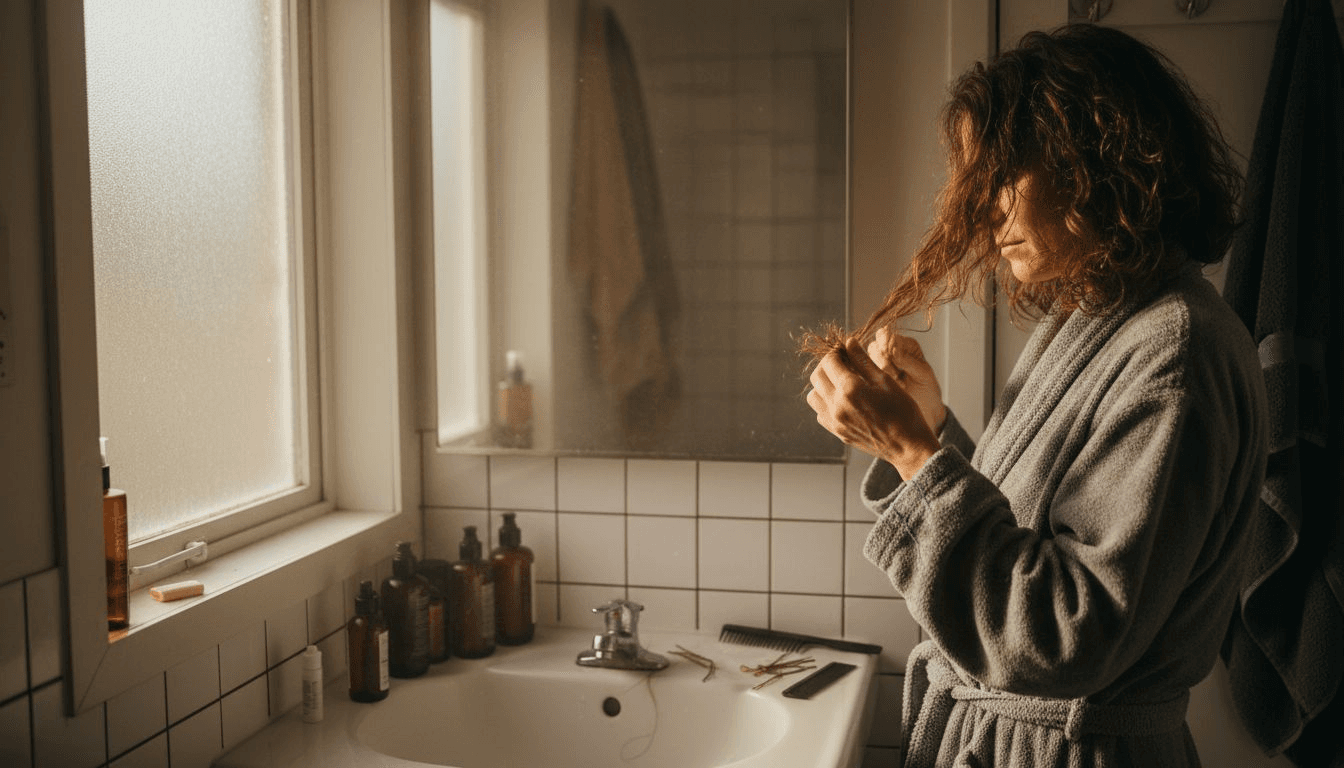
Struggling with dry, brittle hair can make every morning feel discouraging. Many people believe hair damage is only a surface issue, but research shows that real damage affects hair deep in the cortex. Understanding these hidden causes matters because ignoring them lets the problem persist. This guide explores how cutting-edge AI technologies deliver personalized product recommendations that target your exact damage profile, helping you reconnect with healthy, vibrant hair.
Table of Contents
- Defining Dry Damaged Hair and Misconceptions
- Types of Hair Damage and Product Categories
- Key Ingredients That Restore Hair Health
- Personalizing Solutions With AI Technology
- Common Mistakes and Product Safety Advice
Key Takeaways
| Point | Details |
|---|---|
| Understanding Hair Damage | Hair damage is a multi-faceted issue influenced by chemical, environmental, and genetic factors, requiring a comprehensive understanding of its causes. |
| Personalized Treatment | Advanced AI technology personalizes hair care regimens based on individual hair characteristics, enhancing the effectiveness of treatments. |
| Common Mistakes to Avoid | Avoid aggressive washing, skipping conditioner, or excessive heat styling to prevent further hair damage. |
| Importance of Ingredients | Focus on key ingredients like Biotin and Keratin for internal and external support to restore hair health effectively. |
Defining Dry Damaged Hair and Misconceptions
Hair damage is more complex than most people realize. Dry damaged hair represents a structural breakdown that goes far beyond surface-level appearance, affecting hair's fundamental integrity from the inside out. Strengthening technologies now aim to repair hair fibers by addressing internal cortex damage, not just external symptoms.
Understanding hair damage requires recognizing its multifaceted nature. Hair can become dry and damaged through several mechanisms:
- Chemical treatments like bleaching and coloring
- Excessive heat styling
- Environmental stressors like sun exposure
- Nutritional deficiencies
- Hormonal imbalances
- Genetic predispositions
Common Misconceptions About Hair Damage
Many individuals mistakenly believe that hair damage is purely cosmetic or irreversible. Root causes of hair damage extend beyond simple styling issues, involving complex interactions between genetic, environmental, and physiological factors.
Contrary to popular belief, damaged hair is not permanently doomed. Advanced hair care technologies and targeted treatments can actually reconstruct and strengthen hair fibers from within, restoring mechanical properties and improving overall hair health.
Key Diagnostic Indicators of Dry Damaged Hair
- Increased hair breakage
- Brittle, straw-like texture
- Excessive split ends
- Lack of natural shine
- Reduced hair elasticity
Pro tip: Consult a professional trichologist for a comprehensive hair health assessment to understand your specific damage profile and personalized recovery strategy.
Types of Hair Damage and Product Categories
Hair damage is a complex phenomenon that manifests in multiple forms, each requiring a specific approach to treatment. Different types of damage demand targeted product interventions, making it crucial to understand the underlying causes and corresponding solutions.
Primary Categories of Hair Damage:
- Chemical Damage: Caused by bleaching, coloring, and harsh chemical treatments
- Mechanical Damage: Results from over-brushing, tight hairstyles, and aggressive styling
- Environmental Damage: Triggered by sun exposure, pollution, and humidity
- Heat Damage: Occurs from excessive use of styling tools like flat irons and blow dryers
Product Categories for Hair Repair
Herbal hair tonics offer targeted solutions for addressing specific hair health concerns. These specialized products are designed to combat different damage types through strategic ingredient combinations:
- Moisturizing Conditioners: Restore hydration and prevent further breakage
- Protein Treatments: Rebuild hair's structural integrity
- Heat Protectant Formulas: Shield hair from thermal styling damage
- Anti-Pollution Products: Create protective barrier against environmental stressors
- Scalp Treatments: Address underlying health issues affecting hair quality
Understanding your specific hair damage type is essential for selecting the most effective treatment strategy. Factors like hair texture, previous chemical treatments, and lifestyle habits all play critical roles in determining the most appropriate product approach.
Here's a summary table highlighting how different hair damage types relate to recommended product approaches:
| Hair Damage Type | Unique Challenge | Ideal Product Focus |
|---|---|---|
| Chemical Damage | Weakened hair bonds | Protein-strengthening repairs |
| Mechanical Damage | Cuticle surface abrasion | Moisturizing, smoothing care |
| Environmental Damage | Oxidative stress from elements | Protective, anti-pollution formulas |
| Heat Damage | Loss of moisture, breakage | Heat shield, hydrating agents |
Pro tip: Conduct a professional hair assessment to identify your precise damage profile and develop a customized hair restoration plan.
Key Ingredients That Restore Hair Health
Repairing damaged hair requires a strategic approach that combines internal nutrition and targeted external treatments. Essential nutrients play critical roles in hair health, supporting follicle strength and protecting against further damage.
Key Nutritional Ingredients for Hair Restoration:
- Biotin (Vitamin B7): Strengthens hair protein structure
- Vitamin E: Provides antioxidant protection for hair follicles
- Iron: Supports oxygen transportation to hair roots
- Zinc: Promotes cell reproduction and tissue growth
- Vitamin D: Stimulates hair follicle cycling
Topical Ingredients for External Hair Repair
Effective hair restoration depends on selecting ingredients that address specific damage types. These powerful components work to rebuild and protect hair structure:
- Keratin: Rebuilds hair's protein structure
- Ceramides: Repair protective hair cuticle
- Hyaluronic Acid: Provides deep hydration
- Panthenol: Increases hair elasticity
- Natural Oils: Seal moisture and prevent breakage
The most successful hair health strategies integrate both internal nutritional support and targeted external treatments. This holistic approach ensures comprehensive hair restoration by addressing damage from multiple angles.
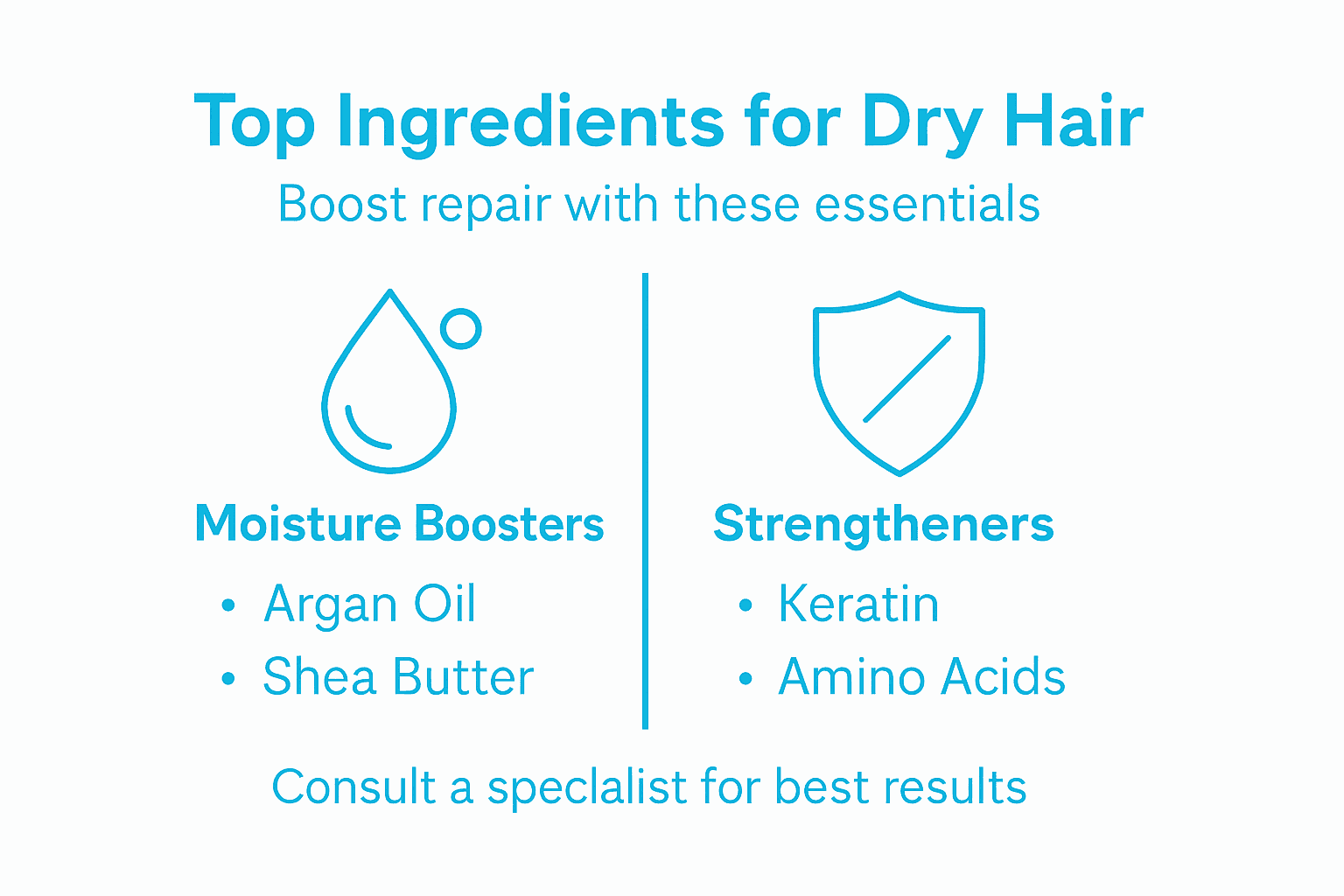
For quick reference, here’s how select internal and external ingredients each support hair health:
| Ingredient Type | Key Example | Main Benefit for Hair |
|---|---|---|
| Internal Nutrient | Biotin | Strengthens hair structure |
| Internal Nutrient | Iron | Boosts root oxygen supply |
| External Topical | Keratin | Repairs protein in fibers |
| External Topical | Hyaluronic Acid | Deep hydrates hair strands |
Pro tip: Consult a nutritionist and dermatologist to develop a personalized hair health strategy that combines dietary supplements with specialized topical treatments.
Personalizing Solutions with AI Technology
Artificial intelligence is revolutionizing hair care personalization, transforming the traditional one-size-fits-all approach into a precise, data-driven strategy for hair health management. Modern AI technologies analyze individual hair characteristics with unprecedented accuracy, creating tailored treatment plans that address unique hair challenges.
Key AI Personalization Capabilities:
- Advanced scalp image analysis
- Detailed hair texture mapping
- Genetic predisposition evaluation
- Real-time hair condition tracking
- Predictive damage prevention recommendations
How AI Transforms Hair Care Solutions
AI analytics provide instant hair analysis by processing multiple data points including:
- Scalp moisture levels
- Hair strand thickness
- Environmental exposure history
- Genetic hair health markers
- Personal styling habits
The technology eliminates traditional trial-and-error methods, offering consumers scientifically backed, personalized hair care recommendations that adapt to changing hair conditions and individual needs.
Pro tip: Capture high-quality, well-lit scalp and hair images to ensure the most accurate AI-powered hair analysis and personalized treatment recommendations.
Common Mistakes and Product Safety Advice
Hair care mistakes can significantly accelerate hair damage, undermining even the most carefully selected hair restoration products. Understanding and avoiding common pitfalls is crucial for maintaining hair health and preventing further deterioration.
Critical Hair Care Mistakes to Avoid:
- Aggressive hair washing techniques
- Skipping conditioner after shampooing
- Rough towel drying
- Brushing hair when wet
- Excessive heat styling
- Ignoring scalp health
- Using incorrect hair products
Product Safety Considerations
Ingredient safety requires careful product evaluation to prevent potential scalp irritation or allergic reactions. Consumers must be vigilant about understanding product composition and potential interactions:
- Check ingredient lists for known allergens
- Perform patch tests before full application
- Avoid products with harsh sulfates
- Research potential ingredient interactions
- Consult professionals for personalized advice
Effective hair care goes beyond product selection, requiring a holistic approach that considers individual hair characteristics, environmental factors, and potential sensitivities.
Pro tip: Maintain a detailed product journal tracking your hair's response to different treatments, helping you identify the most effective and safe solutions for your unique hair needs.
Discover Tailored Solutions for Dry Damaged Hair with AI Precision
Dry damaged hair brings complex challenges like increased breakage, brittle textures, and loss of elasticity. These issues require more than generic care because every scalp and strand reacts differently to damage and treatment. Understanding your unique hair condition using advanced technologies can unlock the personalized care your hair truly needs. That is where MyHair.ai steps in with cutting-edge AI analysis to diagnose hair damage at the root level.
Take control of your hair health today by visiting MyHair.ai for an in-depth hair scan and customized product recommendations. Our innovative platform integrates key concepts like damage type identification and ingredient effectiveness highlighted in this article, empowering you with actionable insights. Act now to stop guesswork and start restoring your hair with science-backed solutions made just for you.
Frequently Asked Questions
What ingredients should I look for in hair products for dry damaged hair?
Look for ingredients like keratin, ceramides, hyaluronic acid, and natural oils, which help rebuild hair structure, restore moisture, and prevent further breakage.
How often should I use protein treatments for damaged hair?
Protein treatments should generally be used every 4-6 weeks, depending on the level of damage and your hair's specific needs. Overuse can lead to brittleness, so it's essential to find a balance.
Can I use heat styling tools if I have dry damaged hair?
While it's best to minimize heat styling, if necessary, always use a heat protectant formula to shield your hair from thermal damage and keep it hydrated.
How can I identify the type of damage my hair has?
To identify the type of damage your hair has, consider factors like texture, breakage, and your hair's response to products. Consulting a professional trichologist can help you develop a personalized recovery strategy.