Blog
Learning Materials
Healthy Natural Hair Products: Better Growth and Safety
Updated: January 18, 2026

Finding truly healthy natural hair products can feel confusing, especially when so many labels make bold promises yet hide a complicated list of chemicals. Women everywhere want real solutions that support long-term hair health without risking irritation or unwanted side effects. This guide explains what sets healthy natural hair products apart, how to choose safe ingredients, and why plant-based care gives you a powerful yet gentle way to strengthen and restore your hair’s vitality.
Table of Contents
- Defining Healthy Natural Hair Products
- Key Natural Ingredients For Hair Health
- Types Of Natural Hair Products And Their Functions
- Evaluating Safety And Global Regulations
- Common Risks And What To Avoid
- Comparing Natural And Synthetic Alternatives
Key Takeaways
| Point | Details |
|---|---|
| Holistic Approach | Healthy natural hair products prioritize ingredient purity and effectiveness, focusing on holistic hair health rather than superficial fixes. |
| Ingredient Awareness | Key characteristics include the absence of harsh chemicals and a commitment to sustainable and cruelty-free practices. |
| Natural Benefits | Utilizing ingredients like coconut oil, aloe vera, and bhringraj offers therapeutic properties that nourish and strengthen hair. |
| Safety and Regulations | Consumers should be aware of safety certifications and avoid products with harmful synthetic chemicals to ensure healthier choices. |
Defining Healthy Natural Hair Products
Healthy natural hair products represent a holistic approach to hair care that prioritizes safety, effectiveness, and ingredient purity. Complex hair anatomy insights reveal that these products go beyond superficial treatment, addressing the intricate physiological needs of hair at a cellular level. They are carefully formulated alternatives to conventional hair care solutions, designed to nourish hair without introducing potentially harmful synthetic chemicals.
The core characteristics of healthy natural hair products include the complete absence of harsh synthetic ingredients like sulfates, parabens, and phthalates. Instead, these products leverage plant-based, organic components that provide gentle yet powerful nutrition. Natural ingredient research demonstrates that botanical extracts, essential oils, and herbal compounds can effectively support hair health while minimizing potential skin irritation and long-term chemical exposure.
Key criteria for defining healthy natural hair products encompass several critical elements:
- Ingredient transparency and sourcing
- Absence of toxic synthetic chemicals
- Biodegradable and environmentally friendly formulations
- Clinically validated natural ingredients
- Cruelty-free production methods
- Sustainable packaging solutions
Pro tip: Always read ingredient labels carefully and research unfamiliar components to ensure they align with your personal health and hair care standards.
Key Natural Ingredients for Hair Health
Natural hair care relies on a powerful arsenal of botanical ingredients that provide comprehensive nourishment and protection. Herbal hair care research reveals a remarkable range of plant-based components that support hair health from root to tip. Ingredients like coconut oil, hibiscus, amla, neem, and henna have emerged as powerful natural alternatives to synthetic hair treatments, offering holistic benefits that address multiple aspects of hair wellness.
Some standout natural ingredients demonstrate exceptional therapeutic properties. Herbal ingredient analysis highlights botanical powerhouses such as aloe vera, which provides deep hydration and scalp soothing, and bhringraj, known for stimulating hair growth and preventing premature graying. Hibiscus stands out for its ability to strengthen hair follicles, while neem offers potent antimicrobial protection that helps maintain a healthy scalp environment.
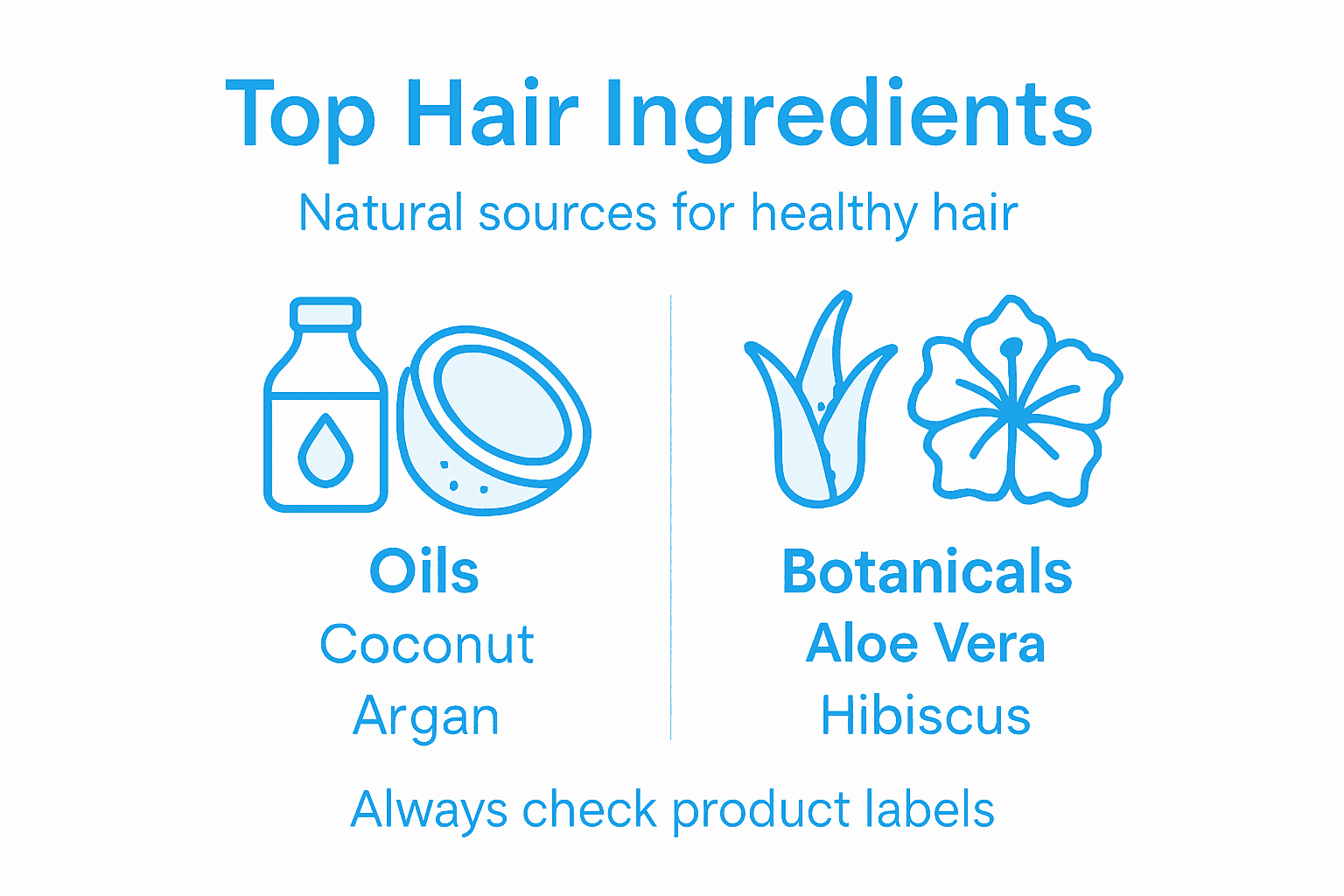
Key natural ingredients for optimal hair health include:
Here's a quick reference comparing the benefits of popular natural hair ingredients:
| Ingredient | Primary Benefit | Extra Advantage |
|---|---|---|
| Coconut Oil | Reduces protein loss | Enhances shine |
| Aloe Vera | Soothes scalp | Provides moisture boost |
| Amla | Strengthens hair roots | Delays graying |
| Henna | Conditions naturally | Adds gentle color |
| Bhringraj | Stimulates hair growth | Fights early graying |
| Hibiscus | Improves hair texture | Prevents hair breakage |
- Coconut Oil: Penetrates hair shaft, reduces protein loss
- Aloe Vera: Hydrates and calms scalp
- Amla: Strengthens hair roots, prevents premature graying
- Henna: Natural conditioning and color enhancement
- Bhringraj: Promotes hair growth and scalp health
- Hibiscus: Improves hair texture and prevents breakage
Pro tip: Rotate different natural ingredients in your hair care routine to provide comprehensive nutrition and prevent ingredient adaptation.
Types of Natural Hair Products and Their Functions
Comprehensive hair care research reveals a diverse ecosystem of natural hair products designed to address specific hair and scalp needs. These products range from cleansing agents to intensive treatments, each formulated to provide targeted nutrition and protection without relying on harsh synthetic chemicals. The natural hair care market has evolved to offer sophisticated solutions that go beyond basic maintenance, focusing on holistic hair health and individual hair type requirements.
Natural hair cosmeceutical analysis demonstrates the multifunctional nature of these products. The primary categories of natural hair products include:
- Cleansing Products:
- Natural Shampoos: Gentle cleansing without stripping natural oils
- Herbal Cleansing Bars: Sulfate-free alternatives with botanical ingredients
- Conditioning Products:
- Leave-in Conditioners: Lightweight hydration and detangling
- Deep Conditioning Masks: Intensive repair and moisture restoration
- Styling and Treatment Products:
- Hair Oils: Nourishment and scalp health
- Growth Serums: Stimulate follicle strength
- Natural Styling Gels: Hold and definition without chemical additives
- Hair Masks: Targeted treatment for specific concerns
Pro tip: Select natural hair products that match your specific hair type and rotate them periodically to prevent product buildup and maintain hair's natural balance.
Evaluating Safety and Global Regulations
FDA hair product regulations establish comprehensive safety standards that protect consumers from potentially harmful hair care products. These guidelines create a critical framework for evaluating natural hair products, ensuring manufacturers meet stringent requirements for ingredient transparency, labeling accuracy, and overall product safety. Consumer protection remains the primary focus, with detailed protocols designed to minimize potential health risks associated with hair care formulations.
Global regulatory frameworks reveal complex international standards that vary significantly across different markets. Key regulatory bodies including the FDA in the United States, the European Union's regulatory agencies, and Indian authorities collaborate to develop harmonized safety evaluation protocols. These organizations scrutinize natural hair products through multiple lenses:
- Ingredient Safety: Comprehensive chemical composition analysis
- Manufacturing Practices: Strict quality control requirements
- Labeling Compliance: Accurate disclosure of product components
- Toxicological Testing: Rigorous screening for potential health risks
- Environmental Impact Assessment: Sustainability and ecological considerations
Consumers should pay attention to key regulatory indicators when selecting natural hair products:
This table contrasts safety evaluation across major hair product regulatory agencies:
| Regulatory Body | Key Focus | Unique Requirement |
|---|---|---|
| U.S. FDA | Ingredient transparency | Mandatory labeling claims |
| European Union | Toxicological testing | Ban on animal testing |
| Indian Authorities | Manufacturing quality | Emphasis on herbal safety |
- Certifications from recognized international bodies
- Transparent ingredient lists
- Third-party testing documentation
- Compliance with regional safety standards
Pro tip: Always check product labels for official safety certifications and research the manufacturer's compliance history before purchasing natural hair care products.
Common Risks and What to Avoid
Synthetic chemical risks in hair care products pose significant health challenges that consumers must carefully navigate. These potentially harmful ingredients can trigger a range of adverse reactions, from mild skin irritation to more serious long-term health concerns. Understanding the specific risks associated with synthetic chemicals is crucial for making informed decisions about hair care product selection and protecting personal health.

Hair care ingredient safety reveals several critical ingredients consumers should actively avoid:
Top Ingredients to Avoid:
- Parabens: Potential endocrine disruptors
- Sulfates: Known skin and scalp irritants
- Formaldehyde-releasing preservatives: Possible carcinogenic compounds
- Synthetic fragrances: Potential allergen triggers
- Petroleum-based ingredients: Can block hair follicles
Risks Associated with Harmful Ingredients:
- Scalp irritation and inflammation
- Allergic reactions
- Potential hormonal disruptions
- Long-term cellular damage
- Environmental contamination
Pro tip: Perform a patch test with new hair products and maintain a detailed record of ingredient reactions to build a personalized understanding of your skin's sensitivities.
Comparing Natural and Synthetic Alternatives
Hair care product comparisons reveal profound differences between natural and synthetic hair care formulations that extend far beyond surface-level performance. While synthetic products often promise immediate results with powerful cleansing and styling capabilities, natural alternatives offer a more holistic approach to hair health, focusing on long-term nourishment and minimal environmental impact. The fundamental distinction lies not just in ingredient composition, but in the underlying philosophy of hair care.
Natural hair cosmeceutical research demonstrates critical performance variations between these product categories:
Synthetic Hair Products:
- Stronger immediate cleansing effect
- Consistent lather and texture
- Longer shelf stability
- Lower production costs
- Potentially harsh chemical interactions
Natural Hair Products:
- Gentler scalp interactions
- Bioactive plant compound benefits
- Reduced chemical exposure
- Environmentally sustainable
- Supports long-term hair health
Key Comparative Factors:
- Cleaning Efficiency
- Hair Conditioning
- Scalp Health Impact
- Environmental Sustainability
- Long-Term Hair Wellness
Pro tip: Rotate between natural and synthetic products strategically, using natural options for deep conditioning and synthetic alternatives for occasional intensive cleansing.
Unlock Personalized Hair Growth Insights with MyHair.ai
Struggling to find healthy natural hair products that truly support your hair growth while keeping your scalp safe from harsh chemicals? This article highlights the importance of ingredient transparency and tailoring your hair care routine to avoid common risks like sulfates and parabens. If you want to move beyond generic advice and understand your unique hair needs based on scientific analysis, personalized solutions are essential.

Discover how MyHair.ai uses cutting-edge AI technology to analyze your hair condition and provide customized recommendations that align with the best practices of natural hair care. Take control by tracking your hair health over time and receive tailored product suggestions that avoid harmful ingredients discussed in the article. Start your journey to safer, more effective hair growth now with MyHair.ai and experience the difference personalized care can make.
Frequently Asked Questions
What are healthy natural hair products?
Healthy natural hair products are formulations that prioritize ingredient purity and safety, avoiding harsh synthetic chemicals like sulfates and parabens. They leverage plant-based, organic components to nourish hair without causing irritation or long-term chemical exposure.
What are the benefits of using natural ingredients for hair care?
Natural ingredients, such as coconut oil, aloe vera, and hibiscus, provide numerous benefits, including deep hydration, scalp soothing, and improved hair texture. These ingredients support overall hair health while minimizing the risk of allergic reactions commonly associated with synthetic components.
How can I evaluate the safety of natural hair products?
To evaluate the safety of natural hair products, look for ingredient transparency, certifications from recognized regulatory bodies, third-party testing documentation, and compliance with regional safety standards to ensure the product meets rigorous safety requirements.
What should I avoid in hair care products for better hair health?
Avoid harmful ingredients such as parabens, sulfates, formaldehyde-releasing preservatives, synthetic fragrances, and petroleum-based components, as they can cause scalp irritation, allergic reactions, and long-term hormonal disruption.
Recommended
- Natural Hair Growth Shampoo: Science, Myths, and Real Impact | MyHair
- Natural Hair Treatment Steps for Visible Growth Results | MyHair
- Good Natural Hair Products for Growth and Hair Loss (2025) | MyHair
- 7 Top Hair Products for Healthy Growth and Care | MyHair
- The Ultimate Guide to Hybrid Skincare-Makeup Products in 2025 – Azio Beauty