Blog
Learning Materials
Medicine Hair Loss Solutions – What Actually Works
Updated: December 13, 2025
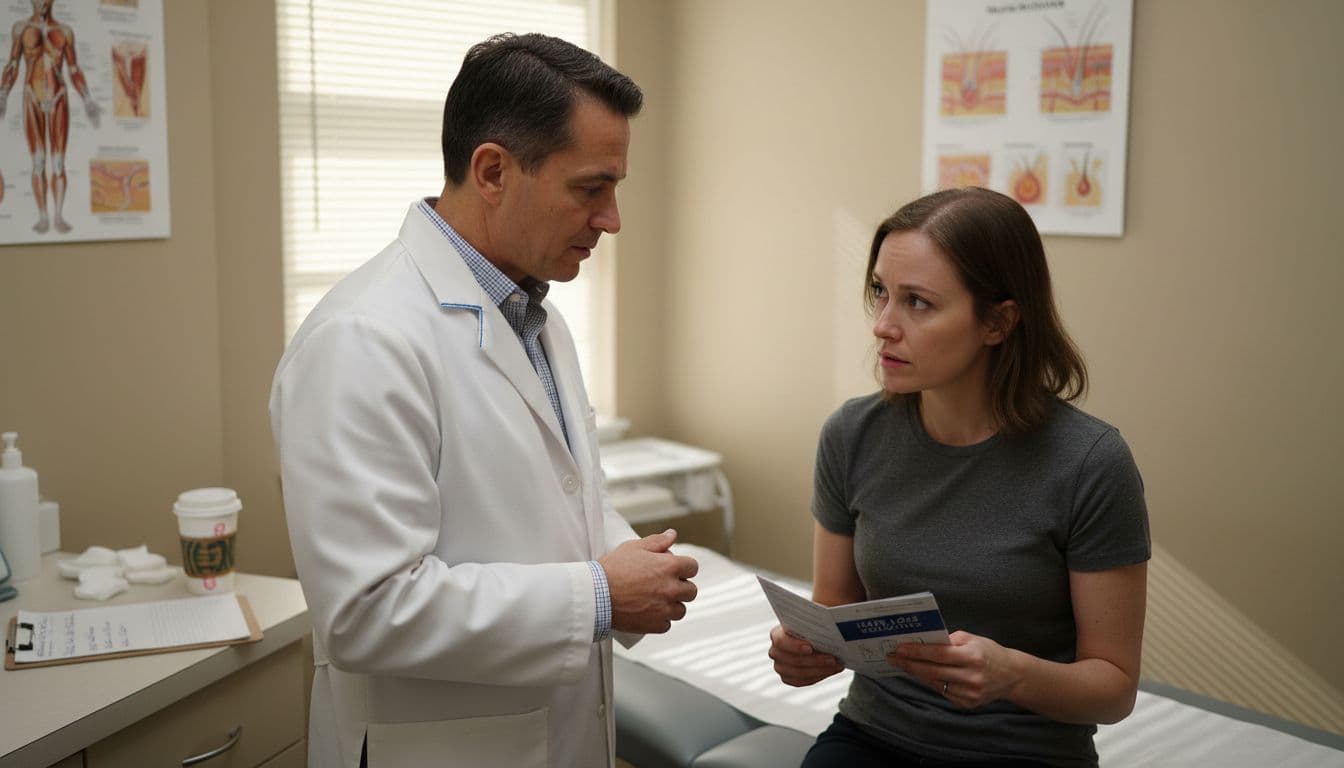
More than 80 million American adults face noticeable hair loss, making it one of the most common concerns for both men and women in the United States. This issue can impact self-esteem and daily confidence, turning even minor shedding into a major worry over time. From proven pharmaceutical options to emerging natural remedies, understanding the science and safety behind the latest medicine for hair loss helps you choose the best approach for your unique needs.
Table of Contents
- Understanding Medicine for Hair Loss
- Types of Hair Loss Medicines Explained
- How Medical Hair Loss Treatments Work
- Potential Side Effects and Safety Considerations
- Comparing Medicines With Natural Alternatives
Key Takeaways
| Point | Details |
|---|---|
| FDA-Approved Treatments | Minoxidil and finasteride are the primary FDA-approved medications for hair loss, each addressing different mechanisms effectively. |
| Individual Variability | Treatment responses can vary significantly; consulting a healthcare professional is essential for personalized strategies. |
| Natural Alternatives | Herbal remedies like rosemary and ginseng are gaining attention and may complement pharmaceutical treatments with fewer side effects. |
| Potential Side Effects | Both minoxidil and finasteride come with possible side effects, necessitating informed discussions with healthcare providers before use. |
Understanding Medicine for Hair Loss
Medicine offers several scientifically-backed solutions for addressing hair loss, with two primary FDA-approved treatments standing out: minoxidil and finasteride. These medications target different mechanisms of hair loss, providing hope for individuals experiencing androgenetic alopecia. Clinically validated research demonstrates their effectiveness in improving hair density and promoting regrowth.
Minoxidil, originally developed as a blood pressure medication, has emerged as a powerful topical treatment for hair restoration. Research indicates that it works by prolonging the anagen (growth) phase of hair follicles, which helps increase hair thickness and coverage. Typically available in 2% and 5% concentrations, minoxidil is applied directly to the scalp and can be used by both men and women experiencing pattern hair loss.
Finasteride represents another critical medical intervention, functioning differently by blocking dihydrotestosterone (DHT), the hormone responsible for male pattern baldness. By reducing DHT levels, finasteride can slow hair loss and potentially stimulate new hair growth. When combined with minoxidil, these treatments offer a comprehensive approach to managing hair loss, with many patients experiencing significant improvements in hair density and overall scalp coverage.
While these medications show promising results, individual responses can vary. Consulting with a healthcare professional who can evaluate your specific hair loss pattern remains crucial in developing a personalized treatment strategy. Factors such as age, underlying health conditions, and genetic predisposition all play important roles in determining the most effective approach to hair restoration.
Types of Hair Loss Medicines Explained
Medicines for hair loss represent a complex landscape of pharmaceutical and natural interventions designed to address different underlying causes of hair thinning and baldness. Comprehensive medical research reveals multiple treatment approaches, ranging from synthetic prescription medications to emerging herbal remedies, each targeting specific mechanisms of hair loss.
Prescription Medications form the primary line of medical intervention, with two FDA-approved treatments dominating the market: minoxidil and finasteride. Minoxidil works by stimulating blood flow to hair follicles, while finasteride blocks the hormone responsible for male pattern baldness. These treatments have proven effectiveness, though they come with potential side effects that patients should discuss with healthcare professionals.
Herbal and Natural Alternatives are gaining significant attention in hair loss treatment. Scientific analyses have identified promising compounds in plants like rosemary, green tea, ginseng, and saw palmetto that demonstrate potential for promoting hair growth. These natural remedies work through anti-inflammatory mechanisms and hormonal regulation, offering an alternative or complementary approach to traditional pharmaceutical treatments.
Comprehensive hair loss treatment often requires a multifaceted strategy. Exploring various treatment products can help individuals find the most suitable approach for their specific hair loss pattern. Factors such as age, genetics, overall health, and the specific type of hair loss play crucial roles in determining the most effective treatment strategy. Patients are encouraged to consult healthcare professionals who can provide personalized guidance and help develop a targeted approach to managing hair loss.
How Medical Hair Loss Treatments Work
Medical hair loss treatments operate through sophisticated biological mechanisms targeting the root causes of hair thinning and baldness. Extensive clinical research reveals that these treatments work by manipulating hair follicle growth cycles, hormonal interactions, and cellular processes to stimulate and preserve hair growth.
Minoxidil, a topical medication, functions by enhancing blood circulation to hair follicles. Its primary mechanism involves prolonging the anagen (growth) phase of hair follicles, which increases hair density and promotes new hair production. Interestingly, this medication was originally developed as a blood pressure treatment before researchers discovered its remarkable hair growth potential. Scientific studies demonstrate that minoxidil's vasodilatory properties create a more favorable environment for hair regeneration by improving nutrient and oxygen delivery to hair roots.
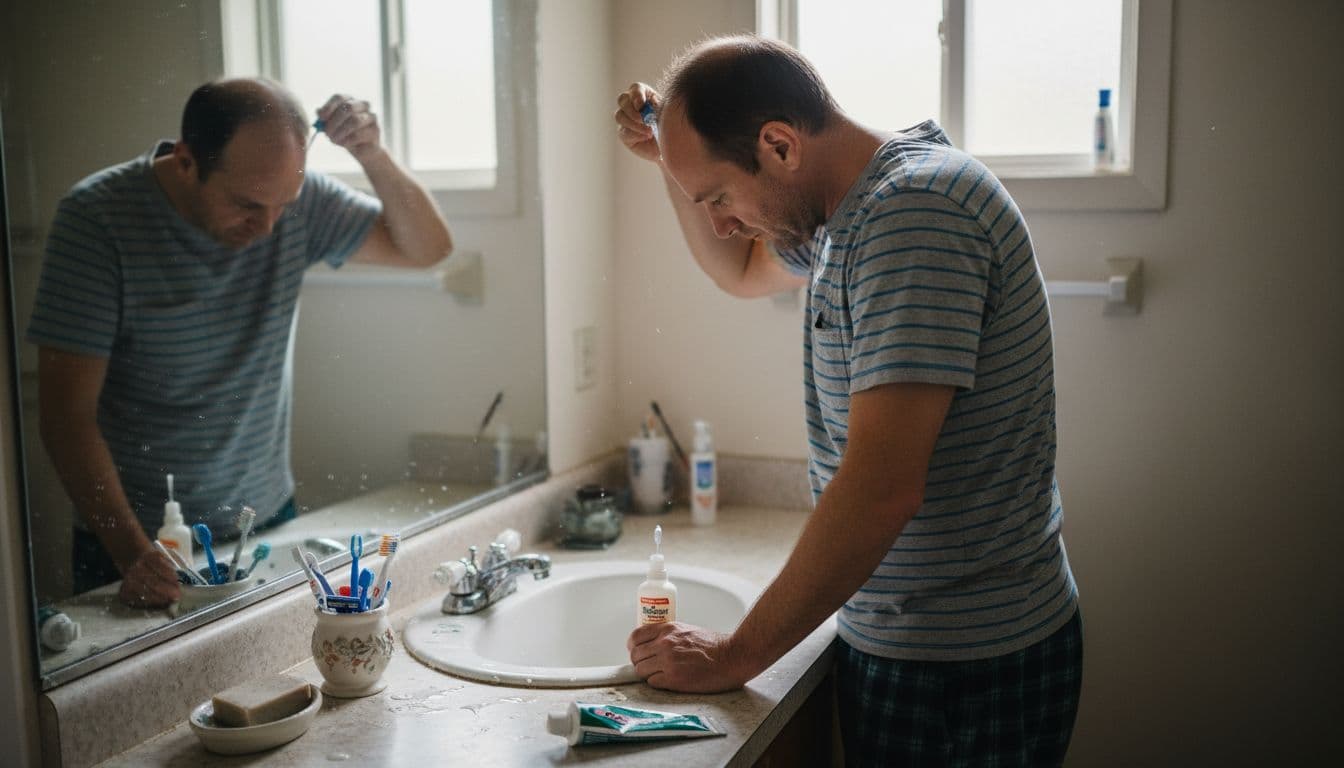
Finasteride takes a different approach by targeting hormonal mechanisms. This oral medication works by inhibiting the enzyme 5α-reductase, which converts testosterone to dihydrotestosterone (DHT). By reducing DHT levels, finasteride effectively slows down hair follicle miniaturization, a key process in male pattern baldness. Clinical trials have consistently shown its ability to not only halt hair loss but potentially reverse the progression of androgenetic alopecia.
Exploring solutions for reversing balding requires understanding that no single treatment works identically for everyone. Individual factors such as genetics, age, overall health, and the specific type of hair loss significantly influence treatment effectiveness. Patients are advised to consult healthcare professionals who can develop personalized treatment strategies combining medical interventions, lifestyle modifications, and potential supplementary approaches to optimize hair restoration outcomes.
Potential Side Effects and Safety Considerations
Understanding the potential side effects of hair loss treatments is crucial for making informed medical decisions. Comprehensive medical research highlights that while these medications offer significant benefits, they also carry risks that patients must carefully consider before beginning treatment.
Minoxidil Side Effects primarily involve topical reactions and local skin responses. Clinical studies reveal that patients might experience scalp irritation, itching, and in some cases, unexpected facial hair growth. Some individuals may develop contact dermatitis or experience redness and scaling at the application site. These side effects are typically mild but can be uncomfortable for some users.
Finasteride Risks are more systemic and potentially more complex. The medication has been associated with sexual side effects, including reduced libido, erectile dysfunction, and in rare cases, long-term sexual performance challenges. Some patients report mood changes, depression, and decreased sexual drive. These potential neurological and psychological impacts make it essential for patients to have thorough discussions with healthcare professionals before starting treatment.
Hair treatment strategies require a comprehensive approach that balances potential benefits against possible risks. Patients should undergo complete medical screenings, discuss their full health history, and be prepared for potential monitoring during treatment. Alternative approaches, lifestyle modifications, and natural remedies might be recommended for individuals who cannot tolerate these medications or are at higher risk of experiencing significant side effects.
Comparing Medicines With Natural Alternatives
The landscape of hair loss treatments presents a diverse array of options, ranging from pharmaceutical interventions to natural botanical remedies. Comprehensive medical research reveals that both pharmaceutical and herbal approaches offer unique mechanisms for addressing hair loss, each with distinct advantages and potential limitations.
Pharmaceutical Medications like minoxidil and finasteride provide scientifically validated, targeted treatments with predictable outcomes. In contrast, Natural Alternatives such as rosemary, green tea, ginseng, and saw palmetto present gentler approaches with potentially fewer systemic side effects. Scientific analyses have identified promising phytochemical compounds like methoxycarnosic acid that demonstrate potential for supporting hair growth through anti-inflammatory and hormonal regulatory mechanisms.
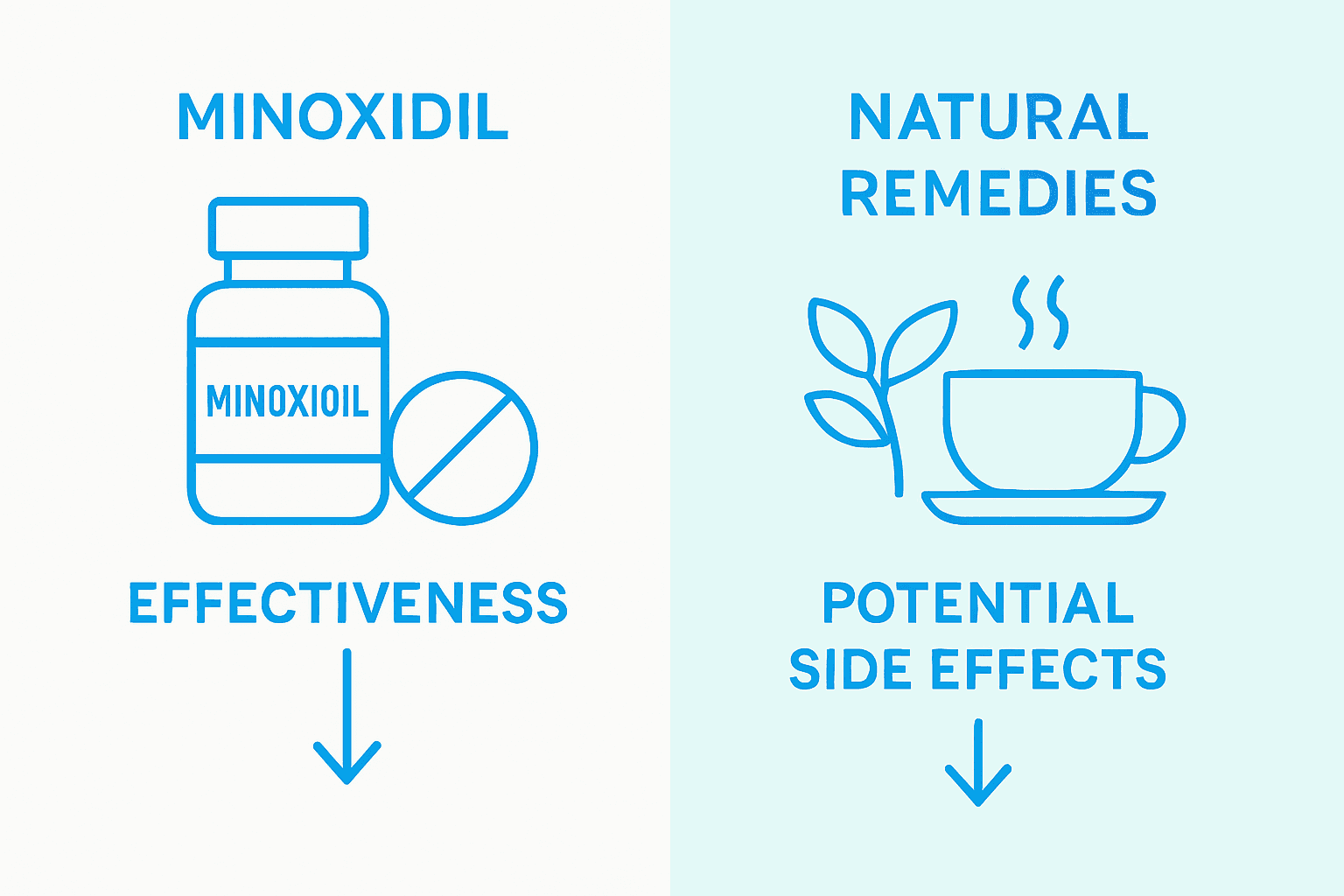
Natural remedies typically work more subtly, supporting overall scalp health and potentially creating a more favorable environment for hair growth. These botanical interventions often have fewer reported side effects compared to pharmaceutical treatments, making them attractive for individuals seeking holistic approaches. However, their efficacy can be less consistent and may require longer periods to demonstrate noticeable results.
Understanding herbs for hair growth requires careful consideration of individual health conditions, genetic factors, and specific hair loss patterns. Patients are encouraged to consult healthcare professionals who can provide personalized guidance, potentially recommending integrated approaches that combine pharmaceutical precision with natural botanical support to optimize hair restoration strategies.
Discover Personalized Medicine Hair Loss Solutions That Truly Work
Hair loss presents a complex challenge with both medical treatments like minoxidil and finasteride and natural alternatives offering varied results. Understanding how these medicines work and their potential side effects can feel overwhelming. The key pain points are identifying what truly matches your unique hair loss pattern and getting reliable guidance to avoid ineffective or risky options.
At MyHair.ai, we use advanced AI-based hair health analysis to give you personalized insights tailored to your specific condition. By uploading scans and tracking changes over time, you gain a clear picture of your hair health. This helps you make informed decisions on which treatments fit your goals whether you want to focus on medically backed solutions or explore natural alternatives. Take control of your hair restoration journey with scientifically guided, custom recommendations.
Take the next step toward effective hair loss management by visiting MyHair.ai. Unlock your personalized growth projections and tailored product advice that align with the latest medical research. Start your detailed assessment now and see real progress in your hair health.
Frequently Asked Questions
What are the most effective medications for hair loss?
The most effective FDA-approved medications for hair loss are minoxidil and finasteride. Minoxidil is a topical treatment that stimulates hair growth, while finasteride is an oral medication that blocks the hormone responsible for male pattern baldness.
How does minoxidil work to promote hair growth?
Minoxidil works by enhancing blood circulation to hair follicles and prolonging the anagen (growth) phase of hair, leading to increased hair density and thickness.
Are there any potential side effects associated with finasteride?
Yes, finasteride can cause side effects, including sexual dysfunction, mood changes, and in rare cases, long-term performance issues. It's important to discuss these risks with a healthcare professional before starting treatment.
Can natural remedies effectively support hair growth?
Yes, natural remedies like rosemary, green tea, and saw palmetto have shown potential for promoting hair growth through anti-inflammatory and hormonal regulation. However, their results may be less predictable compared to pharmaceutical treatments.
Recommended
- Hair Loss Treatment Products – Choosing What Works | MyHair
- How to Reverse Balding: Effective Solutions for Hair Regrowth | MyHair
- 7 Recommended Hair Loss Treatment Strategies for 2025 | MyHair
- Hair Loss Dermatologist Guide: Solutions for 2025 | MyHair
- Tratamente Cădere Păr și Alopecie cu Exozomi | aBeauty Clinique ®
- Managing Postpartum Hair Loss – Effective Solutions for Recovery - Joel C Ma Hair Studio