Blog
Learning Materials
Natural Hair Treatment Steps for Visible Growth Results
Updated: January 13, 2026
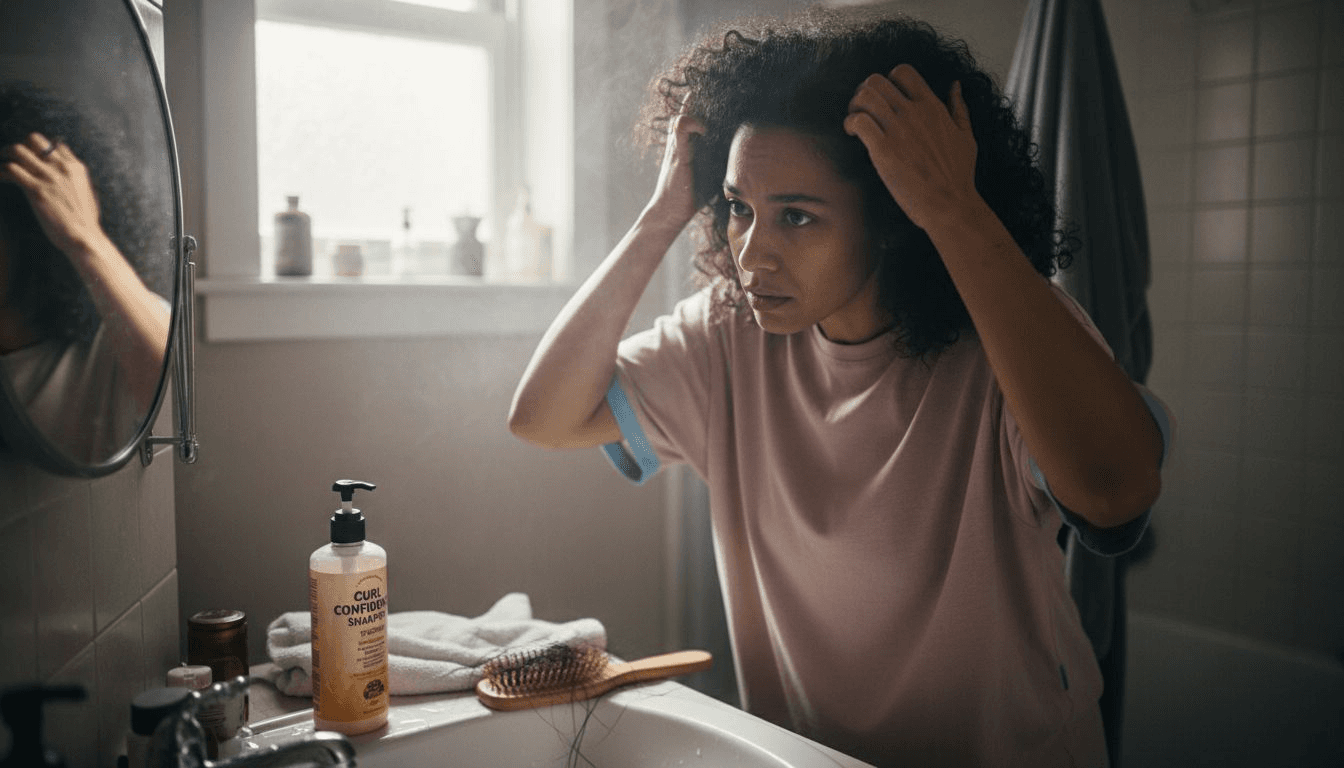
Spotting more hair strands than usual on your brush can be unsettling, especially for Millennial women searching for answers. Over 40 million American women experience hair thinning and loss, and finding natural solutions is a growing priority worldwide. Understanding the basics of hair and scalp health sets the groundwork for achieving thicker, fuller hair with personalized methods. This guide lays out practical steps to help you assess, treat, and monitor your hair growth journey with confidence.
Table of Contents
- Step 1: Assess Current Hair and Scalp Condition
- Step 2: Select Suitable Natural Hair Treatment Products
- Step 3: Apply Treatments for Maximum Effectiveness
- Step 4: Monitor Progress and Make Adjustments
- Step 5: Verify Improved Hair Health and Growth
Quick Summary
| Key Insight | Explanation |
|---|---|
| 1. Assess Hair and Scalp Health | Perform visual and tactile exams to identify issues affecting growth. Look for texture changes, dryness, or sensitivity. |
| 2. Choose Natural Treatment Products | Select products based on hair type and scalp condition, focusing on ingredients like argan oil or rosemary. |
| 3. Apply Treatments Consistently | Use gentle massage to distribute products evenly and enhance absorption into the scalp for better results. |
| 4. Monitor Progress Systematically | Document changes with photos and notes, checking for improvements in density and scalp health over time. |
| 5. Verify Improvements Objectively | Use techniques like photography and hair pull tests to measure growth effectively, comparing baseline data with current results. |
Step 1: Assess Current Hair and Scalp Condition
Assessing your hair and scalp condition is the foundational first step in achieving natural hair growth. This critical evaluation helps you understand the current health of your hair follicles and identifies potential barriers to optimal growth.
Begin by conducting a comprehensive visual and tactile examination of your scalp and hair. Detailed scalp health assessment involves checking for several key indicators of scalp wellness. Look closely for signs such as excessive dryness, oiliness, dandruff, inflammation, or unusual texture changes. Gently part your hair in multiple sections using natural light to examine your scalp thoroughly. Pay special attention to areas like the crown, temples, and hairline where hair thinning or scalp issues often first appear.
Use your fingertips to assess scalp texture and sensitivity. A healthy scalp should feel smooth, without flakiness, excessive oiliness, or tenderness. Run your fingers across different areas, noting any rough patches, bumps, or areas of increased sensitivity. These tactile observations can reveal underlying scalp conditions that might impede hair growth. Advanced scalp image classification technologies now offer sophisticated ways to document and track scalp health, but a careful personal examination remains an essential first step.
Pro Tip: Consider taking well-lit, close-up photos of your scalp from multiple angles to track changes and establish a baseline for your hair growth journey.
The table below summarizes the main hair assessment techniques and what they measure:
| Technique | Focus Area | What It Reveals |
|---|---|---|
| Visual Inspection | Scalp, Hair Shaft | Density, texture, abnormalities |
| Tactile Assessment | Scalp Sensitivity | Tenderness, bumps, roughness |
| Photography | Scalp Regions | Progress over time, changes |
Step 2: Select Suitable Natural Hair Treatment Products
Selecting the right natural hair treatment products is crucial for achieving your hair growth goals. This step requires careful consideration of your unique hair type, scalp condition, and specific growth challenges.
Natural product selection involves understanding the bioactive components that can support hair health. Look for products containing plant extracts and essential oils with proven benefits such as antioxidative and anti inflammatory properties. Focus on ingredients like argan oil, rosemary extract, biotin, and keratin that have scientifically demonstrated hair strengthening capabilities. When evaluating products, read ingredient lists carefully and prioritize formulations with minimal synthetic additives.
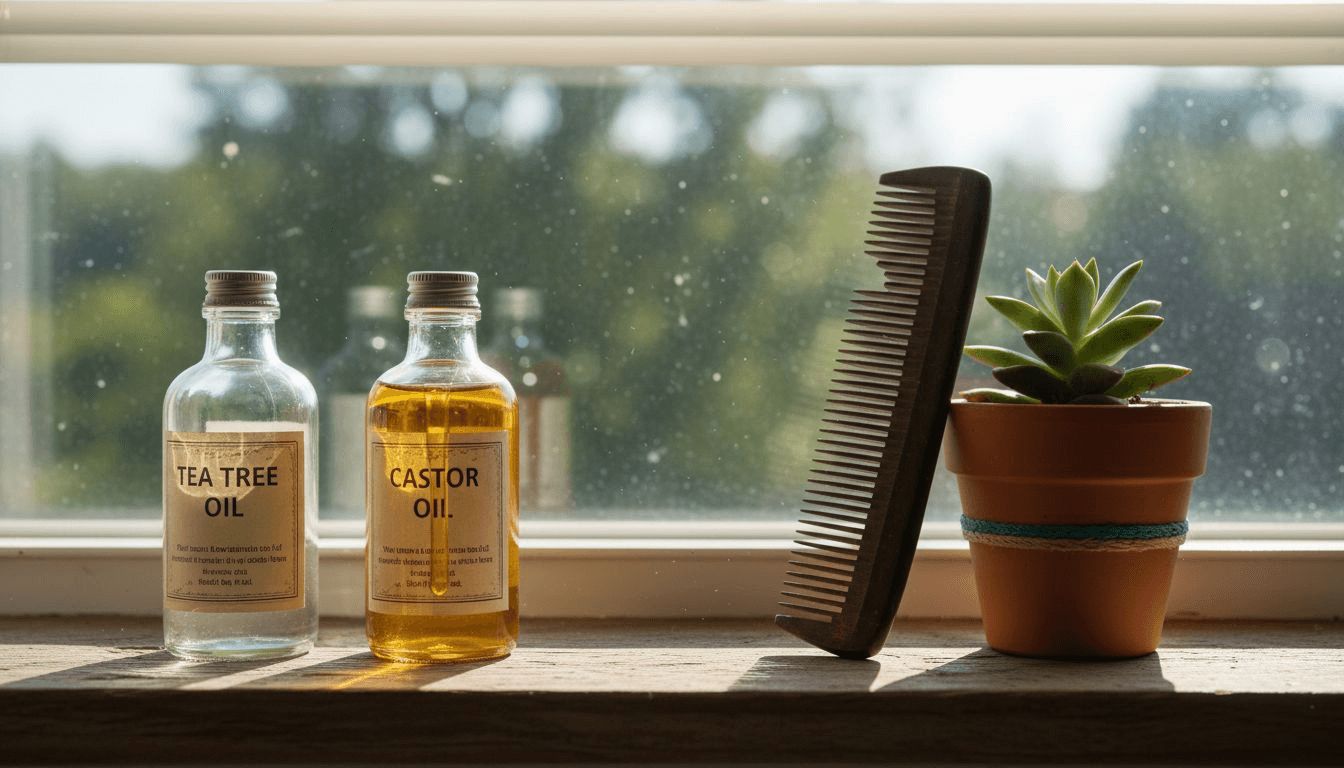
Pay close attention to essential oils for hair health that match your specific hair concerns. Different oils target various issues like dryness, breakage, or scalp inflammation. For instance, lavender oil can soothe the scalp, while peppermint oil may stimulate circulation. Always perform a patch test before full application to ensure no allergic reactions occur.
Pro Tip: Invest in travel sized versions of hair treatment products to test effectiveness before committing to full sized purchases.
Here's a quick comparison of key essential oils and their targeted hair benefits:
| Oil Type | Primary Benefit | Ideal For |
|---|---|---|
| Rosemary | Stimulates growth | Thinning hair, weak follicles |
| Lavender | Soothes scalp | Sensitive, irritated scalp |
| Peppermint | Boosts circulation | Sluggish growth, dull scalp |
| Tea Tree | Fights dandruff | Flaky, itchy scalp |
Step 3: Apply Treatments for Maximum Effectiveness
Applying natural hair treatments requires precision, consistency, and an understanding of your hair's unique needs. This step will help you maximize the potential of your selected products for optimal hair growth results.
Therapeutic plant extract application demands careful attention to molecular mechanisms that promote hair follicle health. Begin by sectioning your hair and applying treatments directly to the scalp, ensuring even distribution with gentle massaging motions. Focus on stimulating dermal papilla cells and targeting areas with thinning or reduced growth. Use fingertips to create circular motions that enhance blood circulation and product absorption, allowing active ingredients to penetrate deeply into the hair follicles.
Herbal medicine treatment strategies emphasize the importance of consistent application and integrated approaches. Develop a routine that allows treatments to work synergistically with your hair's natural growth cycle. Apply products at the same time daily, typically after showering when your scalp is clean and pores are open. Use moderate amounts to prevent product buildup, and be patient as natural treatments often require several weeks to demonstrate visible improvements.
Pro Tip: Track your hair treatment progress through monthly photos and detailed notes to understand how different applications impact your specific hair growth journey.
Step 4: Monitor Progress and Make Adjustments
Monitoring your hair growth journey requires systematic observation and willingness to adapt your treatment approach. This critical step transforms your hair care routine from guesswork to a strategic, data driven process.
Molecular monitoring methods reveal that tracking treatment responses goes beyond visual inspection. Create a comprehensive documentation system that includes monthly progress photos, measurements of hair thickness, and detailed notes about product usage. Capture images under consistent lighting and from the same angles to enable accurate comparison. Look for subtle changes in hair density, scalp health, and overall hair texture that might not be immediately apparent.
Smart scalp monitoring technologies suggest tracking multiple parameters like hydration levels, blood circulation, and follicular activity. Establish a baseline assessment and compare subsequent measurements to identify trends. If you notice minimal progress after 8 to 12 weeks, consider consulting a hair care professional to reassess your treatment strategy. Be prepared to modify your approach based on empirical evidence rather than emotional attachment to your current routine.
Pro Tip: Create a spreadsheet or digital journal to systematically record your hair growth journey, including product details, application methods, and observable changes.
Step 5: Verify Improved Hair Health and Growth
Verifying your hair growth progress requires a systematic and objective approach that goes beyond casual observation. This final step transforms your personal hair care journey into a scientifically grounded assessment of your treatment's effectiveness.
Standardized hair growth assessment methods recommend using multiple evaluation techniques. Start by measuring hair density using precise photography and digital tracking. Capture close-up images of your scalp under consistent lighting conditions every 4 to 6 weeks. Compare these images side by side to objectively assess changes in hair thickness, coverage, and overall scalp health. Pay special attention to areas previously identified as problematic during your initial assessment.
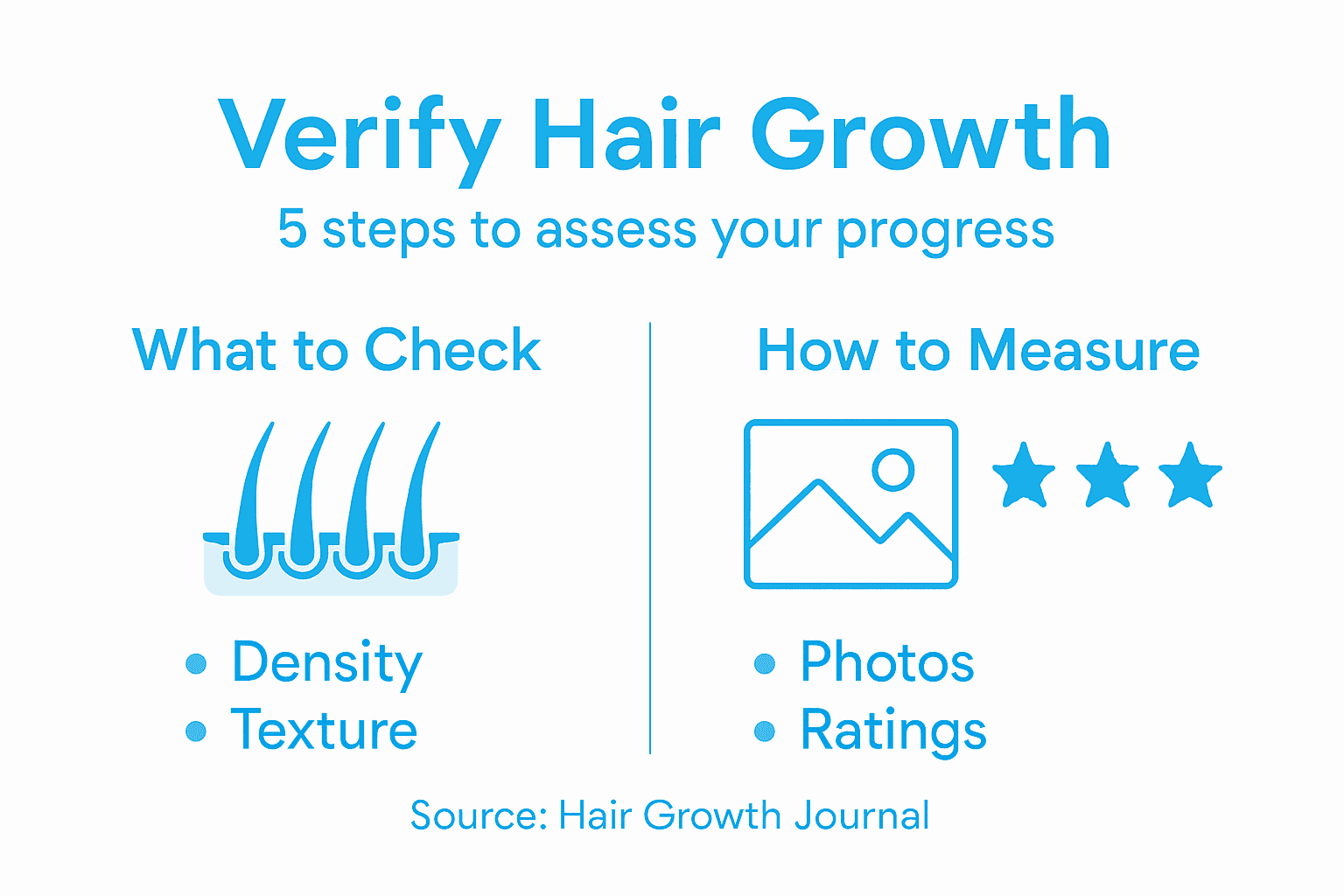
Objective hair growth evaluation techniques suggest combining visual assessments with tactile measurements. Perform a gentle hair pull test to evaluate hair strength and shedding rates. Track the number of hairs that come out during this test and compare it to your baseline measurements. Look for improvements in hair shaft thickness, scalp texture, and overall hair resilience. Consider consulting a hair care professional for a comprehensive analysis if you notice inconsistent or unexpected results.
Pro Tip: Create a detailed spreadsheet with numerical ratings for hair density, texture, and strength to transform your observations into trackable, quantifiable data.
Unlock Visible Hair Growth with Personalized Insight and AI Power
If you are following the natural hair treatment steps for visible growth results you already understand how crucial a thorough scalp assessment and consistent product application are to achieving your hair goals. Common challenges like identifying scalp sensitivity, selecting the best natural oils, and tracking progress can feel overwhelming without detailed insights tailored to your unique hair condition. That is where MyHair.ai can transform your approach. Our advanced AI technology analyzes your hair health precisely so you can understand problem areas clearly and make informed choices about treatment products and routines.
Start your journey now by letting the power of data-driven personalized recommendations support your natural hair health strategy. With MyHair.ai you receive continuous scalp and hair assessments, tracking your progress exactly as recommended in the article. Don’t wait weeks without certainty. Get your personalized analysis and tailored growth plan today at MyHair.ai and take confident steps toward the healthy hair you deserve.
Frequently Asked Questions
How do I assess my current hair and scalp condition?
To assess your current hair and scalp condition, visually examine your scalp for dryness, oiliness, or unusual texture changes. Gently part your hair to reveal areas where thinning or problems may exist and take close-up photos to track changes over time.
What natural ingredients should I look for in hair treatment products?
Look for natural hair treatment products that contain ingredients such as argan oil, rosemary extract, biotin, and keratin. These components have been shown to strengthen hair; prioritize formulations with minimal synthetic additives when making your selection.
How should I apply natural hair treatments for the best results?
Apply natural hair treatments by sectioning your hair and massaging the product directly into your scalp. Use gentle, circular motions to stimulate blood circulation and allow the ingredients to penetrate the hair follicles effectively.
How often should I monitor my hair growth progress?
You should monitor your hair growth progress every 4 to 6 weeks by taking consistent photos and recording any changes in density and texture. Document your observations in a structured manner to easily track your improvements over time.
What methods can I use to verify improved hair health and growth?
To verify improved hair health and growth, measure hair density through close-up photography and perform a gentle hair pull test to assess strength and shedding. Compare these results over time to establish clear evidence of progress.
How long should I wait to see visible results from natural hair treatments?
Generally, you may start to see visible results from natural hair treatments within 8 to 12 weeks with consistent application and monitoring. Be patient and committed to your routine, as natural treatments often take time to show improvements.
Recommended
- Best Hair Mask for Hair Growth at Home: 2025 Guide | MyHair
- Achieve Sleek Hair with Natural Hair Straightening Treatment | MyHair
- Best Hair Mask for Hair Growth at Home: 2025 Guide | MyHair
- Natural Products for Hair Growth and Thickness: A Complete Guide | MyHair
- Zestaw Kosmetyków Raypath – pielęgnacja skóry i włosów | Przestrzeń Od Nowa Sklep