Blog
Learning Materials
Natural Oils for Hair Growth: Proven Benefits and Uses
Updated: December 9, 2025

More than half of American adults say they are searching for natural solutions to improve hair growth. For many, thinning hair and breakage are constant sources of frustration that impact confidence every day. Exploring how natural oils work can reveal science-backed ways to support healthier, fuller hair. Uncovering the real benefits behind these botanical oils offers practical answers for anyone wanting to boost their hair’s strength and vitality.
Table of Contents
- Defining Natural Oils That Promote Hair Growth
- Popular Types of Natural Oils for Hair Growth
- How Natural Oils Stimulate Hair Follicles
- Best Ways to Apply Oils for Maximum Growth
- Potential Risks and What to Avoid With Oils
Key Takeaways
| Point | Details |
|---|---|
| Natural Oils Effective for Hair Growth | Essential oils like Rosemary, Castor, Peppermint, and Jojoba have scientifically proven properties that stimulate hair growth. Their unique compounds improve circulation, reduce inflammation, and nourish hair roots. |
| Application Techniques Matter | For optimal results, methods such as pre-shampoo treatments, scalp massages, and oil dilution are crucial. Regular and strategic application enhances absorption and effectiveness. |
| Understand Risks | Proper dilution and selection of oils are vital to avoid skin irritation or clogged follicles. Always perform patch tests and consult with healthcare professionals if you have sensitivities. |
| Personalization is Key | Tailoring oil combinations to individual hair concerns enhances efficacy. Recognizing specific needs—like dryness or growth stimulation—enables a more effective hair care regimen. |
Defining Natural Oils That Promote Hair Growth
Natural oils have emerged as powerful allies in the battle against hair loss, offering scientifically backed solutions for stimulating robust hair growth. These botanical extracts contain unique molecular structures that interact directly with hair follicles, promoting circulation, strengthening roots, and creating an optimal scalp environment. Understanding which natural oils genuinely support hair regeneration requires examining their specific botanical compounds and proven therapeutic mechanisms.
Research demonstrates remarkable potential for certain natural oils in hair restoration. A clinical investigation evaluated the efficacy of rosemary and lavender oil combinations in promoting hair growth, revealing promising results across a 90-day treatment period. These specialized oils work through multiple pathways, including:
- Improving Scalp Circulation: Enhancing blood flow to hair follicles
- Reducing Inflammation: Calming scalp irritation that impedes growth
- Providing Essential Nutrients: Delivering micronutrients directly to hair roots
Key natural oils with scientifically documented hair growth properties include Rosemary Oil, Castor Oil, Peppermint Oil, and Jojoba Oil. Each offers unique biochemical characteristics that support hair health. A specialized herbal hair repair oil study highlighted how strategic combinations of botanical extracts can create powerful hair restoration formulations.
Understanding the biochemical mechanisms of these natural oils reveals their true potential. Rosemary oil, for instance, increases circulation and inhibits testosterone-related hair loss processes. Castor oil delivers rich ricinoleic acid that strengthens hair follicles. Peppermint oil stimulates dormant follicles through intense microcirculation effects. The right combination can transform your hair growth strategy from reactive to proactive.
Popular Types of Natural Oils for Hair Growth
Navigating the world of natural oils for hair growth requires understanding the unique properties of each botanical extract. Various natural oils demonstrate remarkable potential for stimulating hair follicle health, with each offering distinct biochemical advantages for promoting robust hair regeneration.
Some of the most potent natural oils for hair growth include:
- Rosemary Oil: Known for boosting scalp blood circulation
- Coconut Oil: Penetrates hair shaft deeply, preventing protein loss
- Castor Oil: Rich in ricinoleic acid, supports intense follicle nourishment
- Jojoba Oil: Mimics natural scalp sebum, balancing moisture levels
- Peppermint Oil: Stimulates microcirculation and awakens dormant follicles
Scientific explorations of hair oils reveal complex interactions between botanical compounds and scalp health, highlighting how targeted oil treatments can transform hair growth strategies. Argan oil, for example, delivers concentrated antioxidants that protect hair from environmental damage, while olive oil provides deep conditioning that reduces breakage and supports structural integrity.
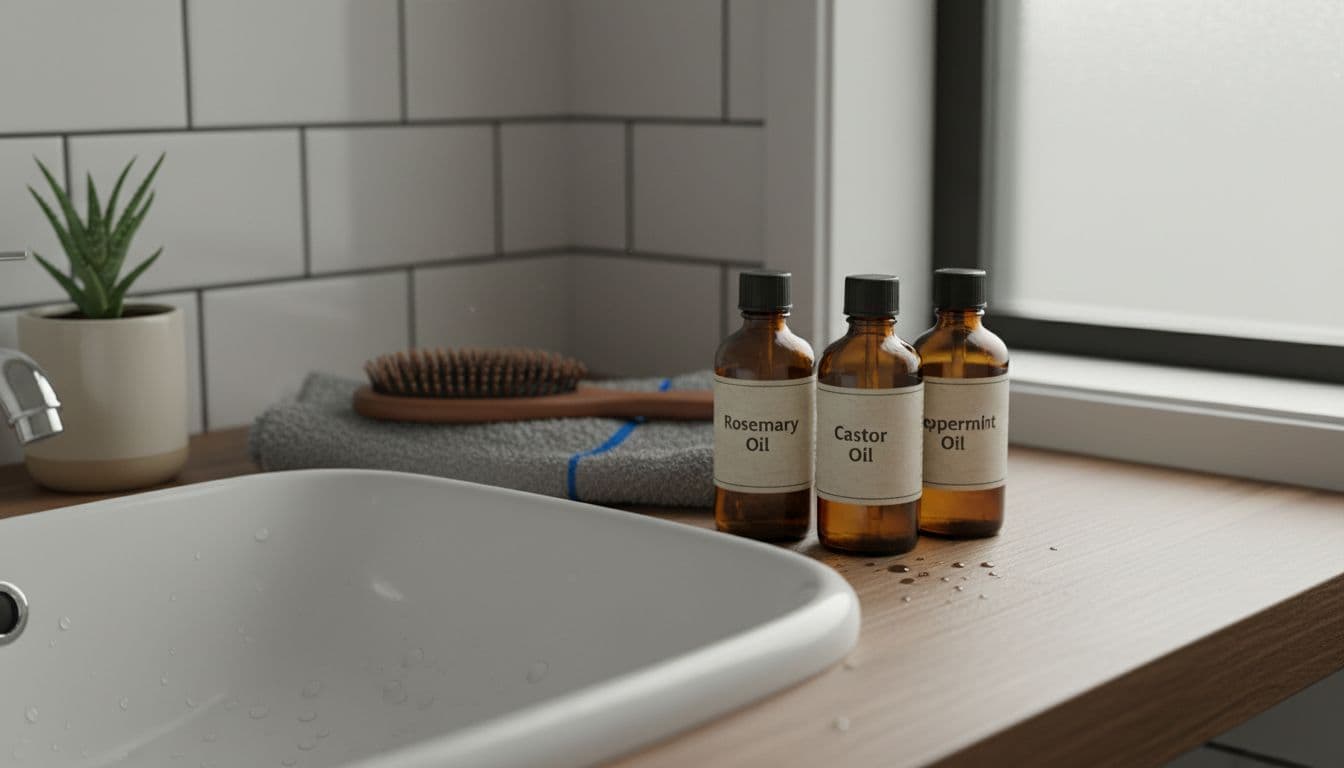
Understanding the nuanced benefits of each oil empowers individuals to craft personalized hair growth protocols. The key lies in selecting oils that match specific hair concerns - whether addressing dryness, stimulating growth, or protecting against environmental stress. By strategically combining these natural oils, users can create powerful, personalized treatments that support comprehensive hair health and encourage vibrant, resilient hair growth.
How Natural Oils Stimulate Hair Follicles
The intricate process of hair follicle stimulation through natural oils involves complex biochemical interactions that go far beyond simple surface treatments. Scientific research exploring hair growth mechanisms reveals remarkable antioxidant and anti-inflammatory properties that fundamentally transform scalp health and hair regeneration potential.
Natural oils stimulate hair follicles through several key mechanisms:
- Enhanced Blood Circulation: Increasing nutrient delivery to follicle roots
- Hormone Regulation: Blocking testosterone-related hair loss processes
- Cellular Regeneration: Promoting protein synthesis and keratin production
- Scalp Microbiome Balance: Supporting healthy follicular environment
- Oxidative Stress Reduction: Protecting follicles from cellular damage
Targeted oleogel formulations containing botanical extracts demonstrate significant potential for follicular stimulation, with specific oils like rosemary and cedarwood showing remarkable hair growth-enhancing capabilities. These specialized compounds interact directly with hair follicle stem cells, triggering metabolic pathways that encourage robust hair regeneration.
Understanding the microscopic interactions between natural oils and hair follicles reveals a sophisticated process of cellular communication. Certain oils penetrate deep into the scalp, delivering concentrated nutrients that reactivate dormant follicles, reduce inflammation, and create an optimal environment for sustained hair growth. The strategic application of these botanical extracts represents a powerful, natural approach to supporting comprehensive hair health and regeneration.
Best Ways to Apply Oils for Maximum Growth
Strategic oil application techniques can dramatically transform hair growth potential, requiring precision and understanding of individual hair needs. Successful oil treatments demand more than simply pouring liquid onto your scalp - they require a nuanced approach that maximizes absorption and stimulates follicular health.
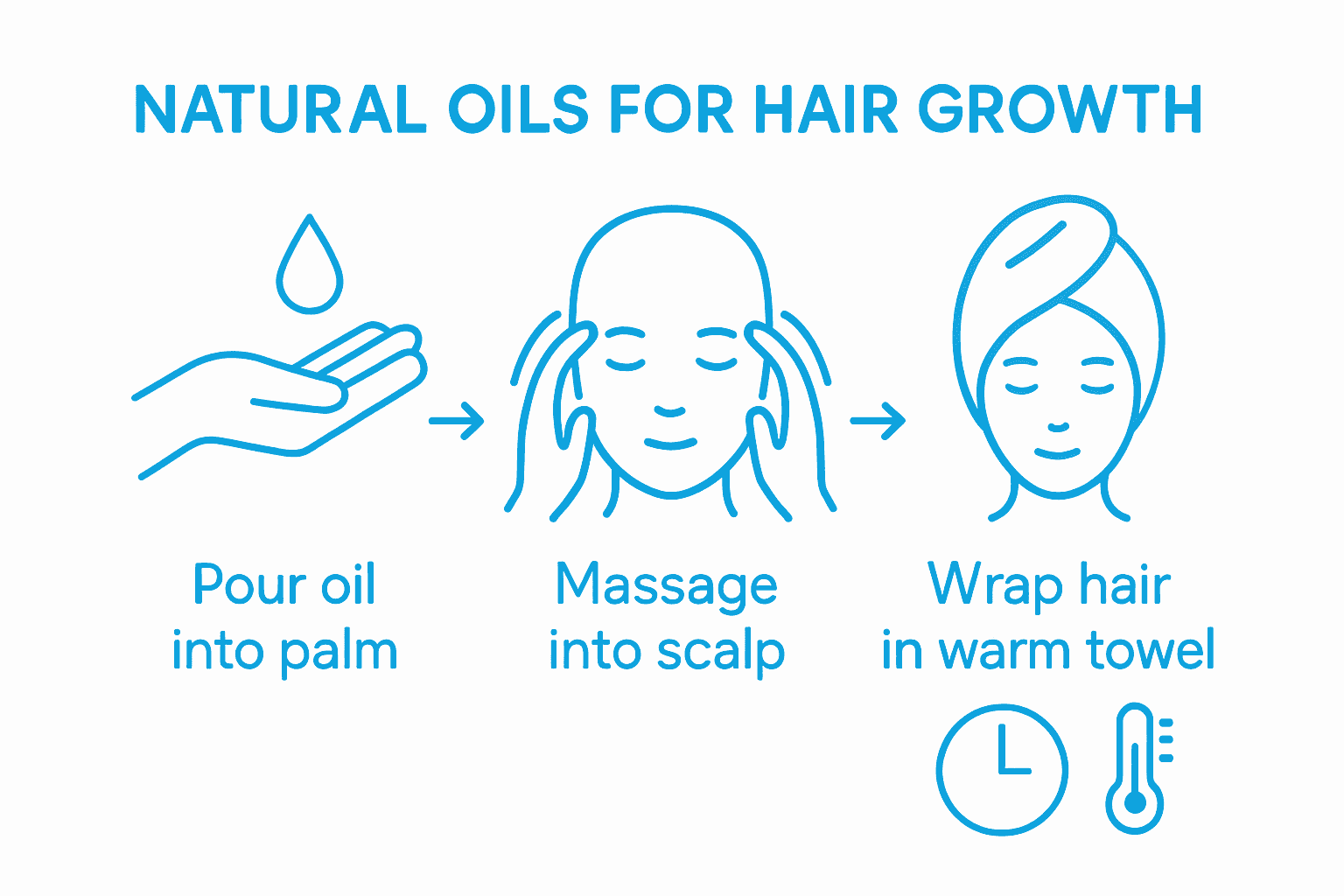
Key application methods for optimal hair growth include:
- Pre-Shampoo Treatment: Apply oils 30-60 minutes before washing
- Helps protect hair from washing-related damage
- Allows deep nutrient penetration
- Scalp Massage Technique: Use gentle circular motions
- Stimulates blood circulation
- Enhances oil absorption
- Dilution Protocol: Always mix essential oils with carrier oils
- Prevents skin irritation
- Ensures even distribution
Professional hair care experts recommend targeted application strategies that focus on specific problem areas and individual hair textures. The most effective approach involves understanding your unique scalp chemistry and selecting oils that complement your hair's natural characteristics.
Temperature and timing play crucial roles in maximizing oil effectiveness. Warm oils penetrate more deeply, increasing absorption and stimulating follicular response. Nighttime application allows extended absorption periods, giving botanical compounds ample time to interact with hair follicles. Consistency is key - regular treatments produce significantly better results than sporadic applications, transforming hair growth from a hope to a predictable outcome.
Potential Risks and What to Avoid With Oils
Navigating the complex landscape of hair oil treatments requires understanding potential pitfalls and safety considerations, particularly regarding application techniques and individual sensitivity. Not all oils are created equal, and improper use can lead to unintended scalp and hair complications.
Key risks and precautions for hair oil application include:
- Undiluted Essential Oils: Can cause severe skin irritation
- Always use carrier oils for dilution
- Test patch for allergic reactions
- Inappropriate Oil Selection: Potential for clogged follicles
- Match oil to specific hair and scalp type
- Avoid heavy oils for fine or thin hair
- Excessive Application: Risk of sebum overproduction
- Moderate quantity is crucial
- Less is often more effective
Hair care experts emphasize the critical importance of selecting oils compatible with individual hair characteristics, recognizing that personalized approaches yield the most successful outcomes. Individuals with sensitive skin, allergies, or pre-existing scalp conditions should consult healthcare professionals before initiating any new oil treatment regimen.
Some universal warning signs requiring immediate discontinuation include persistent scalp irritation, unusual hair shedding, allergic reactions, or unexpected changes in hair texture. Responsible oil usage demands careful observation, patch testing, and a willingness to adjust strategies based on your body's unique response. The goal is nurturing hair health, not creating additional complications through uninformed application.
Unlock Personalized Solutions for Natural Hair Growth
Struggling with hair loss or searching for the most effective natural oils to stimulate hair follicles You are not alone in facing these challenges The article highlights how oils like Rosemary Oil and Peppermint Oil improve scalp circulation and reduce inflammation Yet knowing which oils suit your unique scalp chemistry and how to apply them correctly remains complex

Discover personalized insights tailored to your specific hair health needs with MyHair.ai. Our AI-based hair health analysis uses your uploaded scans to precisely identify hair growth patterns and potential issues You will receive growth projections and tailored product recommendations designed to work with your natural hair biology. Start protecting your hair follicles now and make informed decisions with expert guidance at your fingertips Visit MyHair.ai to get started today and turn proven natural oil benefits into your personalized hair care strategy.
Frequently Asked Questions
What are the best natural oils for hair growth?
Key natural oils that promote hair growth include rosemary oil, castor oil, peppermint oil, and jojoba oil. Each offers unique benefits, such as improving scalp circulation and providing essential nutrients.
How should I apply natural oils for maximum hair growth?
For optimal results, apply oils as a pre-shampoo treatment, use gentle circular motions to massage into the scalp, and always dilute essential oils with a carrier oil to prevent irritation.
Are there any risks associated with using natural oils on hair?
Yes, potential risks include skin irritation from undiluted essential oils and the possibility of clogged follicles if heavy oils are mismatched with hair type. It's essential to patch test and monitor for any adverse reactions.
How do natural oils stimulate hair follicles?
Natural oils stimulate hair follicles by enhancing blood circulation, regulating hormones, promoting cellular regeneration, balancing the scalp microbiome, and reducing oxidative stress, fostering an environment conducive to hair growth.
Recommended
- 7 Top Hair Growth Oil Recommendations for Better Results | MyHair
- Fast Hair Growth Oil: Top Picks and Proven Tips for 2025 | MyHair
- How to Use Virgin Olive Oil for Hair Growth and Care | MyHair
- Black Seed Oil for Hair Growth: Benefits and Tips 2025 | MyHair
- PRP Hair Treatment vs. Micro Needling: Which Works Better for Hair Loss?