Blog
Learning Materials
Use organic hair shampoo for natural hair growth in 2026
Updated: March 15, 2026

Hair thinning affects millions of people worldwide, yet many conventional shampoos contain harsh chemicals that strip the scalp of natural oils and create an unhealthy environment for hair follicles. Organic shampoos offer a gentler, more sustainable approach to supporting hair growth by harnessing the power of plant-based ingredients that nourish your scalp without synthetic additives. This comprehensive guide will walk you through understanding, selecting, and using organic shampoos effectively to promote natural hair growth tailored to your unique needs, helping you make informed decisions about your hair care routine.
Table of Contents
- Understanding Why Organic Shampoo Supports Hair Growth
- Preparing To Choose The Best Organic Shampoo For Your Hair Type
- Step-By-Step Guide To Using Organic Shampoo Effectively For Hair Growth
- Monitoring Progress And Troubleshooting Common Issues With Organic Shampoos
- Discover Personalized Hair Growth Solutions With MyHair
- FAQ
Key takeaways
| Point | Details |
|---|---|
| Natural nourishment | Organic shampoos provide essential nutrients that create optimal scalp conditions for hair follicle health and growth. |
| Ingredient selection matters | Choosing products with proven botanical extracts like biotin and rosemary oil maximizes effectiveness for your hair type. |
| Consistency drives results | Regular use combined with proper application techniques and complementary care delivers measurable hair growth improvements. |
| Personalization enhances outcomes | AI-powered hair analysis tools help identify your specific needs and recommend the most suitable organic formulations. |
Understanding why organic shampoo supports hair growth
The fundamental difference between organic and conventional shampoos lies in their ingredient purity and impact on scalp health. Conventional shampoos often contain sulfates, parabens, and synthetic fragrances that can disrupt the scalp's natural pH balance, leading to irritation, dryness, and weakened hair follicles. Organic ingredients nourish the scalp and create a healthier environment for hair follicles to grow by maintaining the skin's protective barrier and supporting cellular regeneration.
Natural oils, herbs, and plant extracts in organic formulations work synergistically to stimulate follicle activity through multiple pathways. Ingredients like rosemary oil improve blood circulation to the scalp, delivering more oxygen and nutrients to hair roots. Saw palmetto naturally blocks DHT, a hormone linked to pattern baldness, while aloe vera soothes inflammation and provides moisture. These botanical compounds contain phytonutrients that signal hair follicles to remain in the active growth phase longer.
Avoiding harsh chemicals becomes particularly important when addressing hair loss concerns. Sulfates create excessive lather by stripping away sebum, the scalp's natural protective oil that keeps follicles healthy. Parabens can mimic estrogen in the body, potentially disrupting hormonal balance that affects hair growth cycles. Synthetic fragrances often trigger allergic reactions and scalp sensitivity that compound existing hair loss issues.
Organic shampoos leverage antioxidants and vitamins to protect hair from environmental damage and oxidative stress. Vitamin E neutralizes free radicals that attack follicle cells, while B vitamins support protein synthesis necessary for hair strand formation. Green tea extract provides polyphenols that reduce inflammation and support healthy cell turnover on the scalp.
Key benefits of organic shampoo ingredients:
- Gentle cleansing that preserves natural scalp oils
- Anti-inflammatory properties that reduce follicle stress
- Nutrient delivery that supports keratin production
- pH-balanced formulas that maintain scalp microbiome health
Pro Tip: Always patch test new organic shampoos on a small area of your scalp for 48 hours before full application to identify any sensitivity to botanical ingredients, as natural doesn't always mean hypoallergenic for every individual.
Preparing to choose the best organic shampoo for your hair type
Assessing your current hair condition forms the foundation for selecting an effective organic shampoo. Start by examining your scalp closely in natural light to identify whether you have oily buildup, dry flaking, redness, or visible thinning patterns. Document your hair density by taking photos from multiple angles and noting areas where your scalp shows through more prominently. Track how quickly your hair becomes greasy after washing, as this indicates your sebum production rate.
Understanding your hair type and scalp condition is key to selecting an organic shampoo that will truly support hair growth rather than exacerbate existing issues. Different scalp types respond better to specific ingredient profiles, so matching your needs to the right formulation maximizes effectiveness.
| Scalp Type | Recommended Organic Ingredients | Ingredients to Avoid |
|---|---|---|
| Oily | Tea tree oil, peppermint, lemon balm, clay extracts | Heavy oils like coconut or shea butter |
| Dry | Argan oil, jojoba oil, aloe vera, chamomile | Strong astringents, high-concentration tea tree |
| Sensitive | Calendula, oat extract, lavender, cucumber | Fragrances, essential oil blends, citrus oils |
| Combination | Balanced blends with light oils and gentle cleansers | Single-focus formulas designed for extreme types |
Scalp sensitivity requires special attention even when choosing organic products. Some natural ingredients like essential oils can irritate sensitive skin at high concentrations. Check ingredient lists for potential allergens specific to your known sensitivities, such as nut-derived oils if you have tree nut allergies. Even certified organic shampoos may contain botanicals that trigger reactions in certain individuals.
Identifying your hair loss pattern helps narrow down which active ingredients will provide the most benefit. Diffuse thinning across the entire scalp responds well to circulation-boosting ingredients like rosemary and caffeine. Receding hairlines or crown thinning often benefit from DHT-blocking ingredients like saw palmetto and pumpkin seed oil. If you notice sudden shedding or patchy loss, consult a healthcare provider before relying solely on shampoo solutions.
Developing a hair care routine for hair fall involves more than just shampoo selection. Consider how your chosen organic shampoo will integrate with other products like conditioners, scalp treatments, and styling products. Ensure all products share compatible pH levels and ingredient philosophies to avoid counteracting benefits.
Essential preparation steps:
- Document baseline photos and measurements of hair density
- List any known allergies or skin sensitivities
- Research ingredient interactions with medications you take
- Set realistic expectations based on your hair loss severity
Pro Tip: Consider using AI-powered hair analysis tools that can objectively measure your hair density, scalp health, and thinning patterns to receive data-driven product recommendations tailored specifically to your unique hair profile.
Step-by-step guide to using organic shampoo effectively for hair growth
Washing frequency dramatically impacts how well organic shampoos support hair growth. Most people benefit from shampooing every two to three days, allowing natural oils to nourish the scalp between washes while preventing excessive buildup. Oily scalps may require daily washing with a gentle organic formula, while dry or chemically treated hair thrives with less frequent cleansing. Regular and correct shampooing techniques with organic products improve scalp health leading to better hair growth by maintaining optimal moisture balance.
Step 1: Pre-wash preparation and water temperature
Begin by thoroughly wetting your hair with lukewarm water for at least 60 seconds. Hot water opens cuticles excessively and can damage fragile thinning hair, while cold water doesn't adequately prepare the scalp for cleansing. Lukewarm water activates the organic ingredients effectively while protecting hair integrity. Brush or comb hair before wetting to remove tangles and distribute natural oils from roots to ends.

Step 2: Application technique and scalp massage
Dispense a quarter-sized amount of organic shampoo into your palm and emulsify it with a small amount of water before applying. This creates better distribution and prevents concentrated product from sitting on one area. Apply the shampoo directly to your scalp, not your hair lengths, as the runoff during rinsing will clean the strands sufficiently. Use your fingertips, not nails, to massage the scalp in small circular motions for three to five minutes, focusing on areas with thinning. This massage stimulates blood flow to follicles and helps the organic ingredients penetrate effectively.
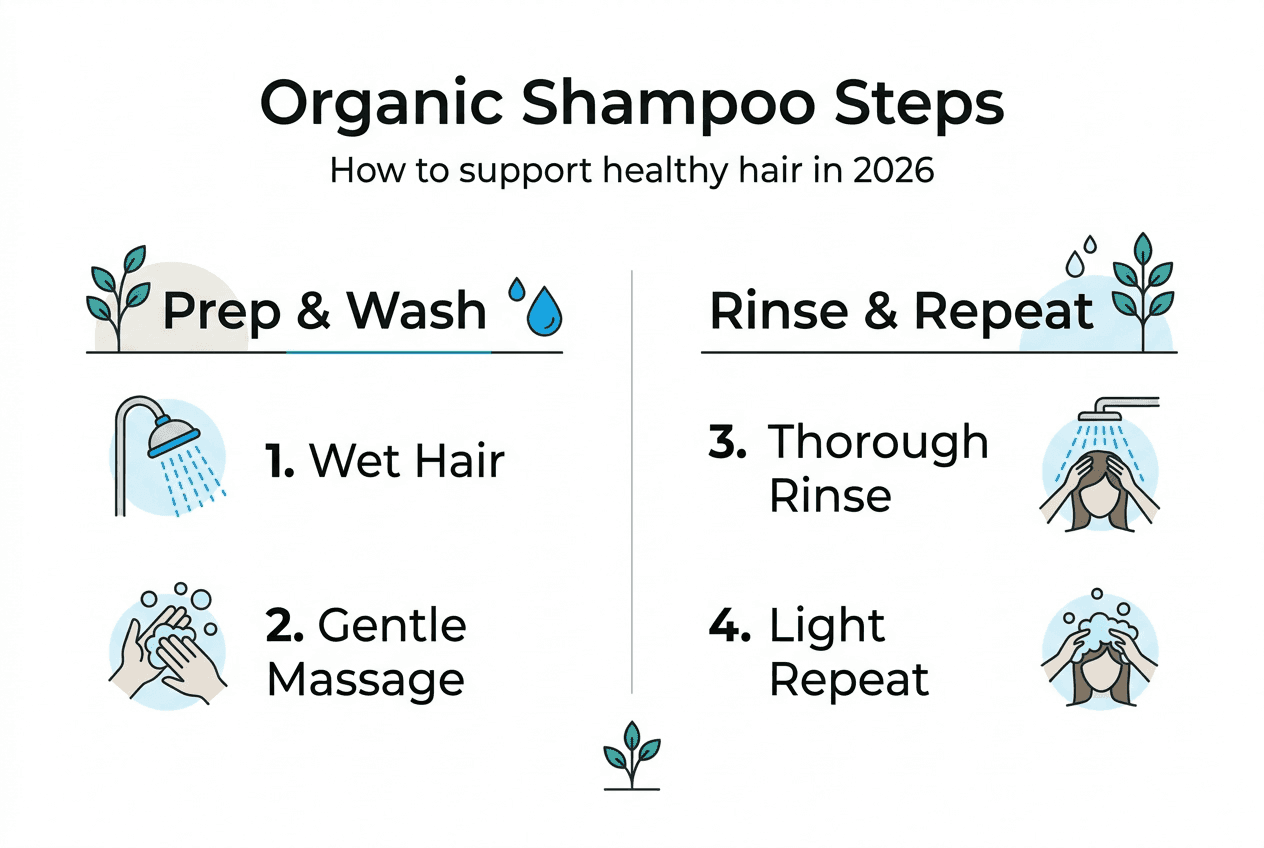
Step 3: Proper rinsing and residue prevention
Rinse thoroughly for at least two minutes, ensuring all shampoo residue is completely removed. Leftover product builds up on the scalp, clogging follicles and creating an environment for bacterial growth that impedes hair growth. Tilt your head in different directions while rinsing to reach all areas. Finish with a cool water rinse to close cuticles and add shine.
Step 4: Complementary treatments
Follow organic shampoo with a matching organic conditioner applied only to hair lengths, avoiding the scalp unless the product is specifically designed for scalp application. Consider incorporating weekly scalp treatments like diluted apple cider vinegar rinses to balance pH or organic hair masks with ingredients like avocado and honey to provide deep nourishment. These complementary practices enhance the hair growth benefits of your organic shampoo routine.
Common mistakes to avoid:
- Using too much product, which leads to buildup and weighs hair down
- Scrubbing aggressively, which damages fragile thinning hair and irritates the scalp
- Skipping the scalp massage, missing the circulation benefits that support growth
- Applying conditioner to roots, which can clog follicles and reduce volume
- Rinsing inadequately, leaving residue that attracts dirt and inhibits growth
Monitoring progress and troubleshooting common issues with organic shampoos
Tracking hair growth progress objectively prevents frustration and helps you determine whether your organic shampoo is delivering results. Measure hair density by counting strands in a one-inch square section of your scalp every four weeks, always using the same location for consistency. Take standardized photos in identical lighting conditions and angles monthly to visually document changes. Tracking hair health changes helps tailor care and understand when to switch products or seek professional advice based on measurable data rather than subjective impressions.
Hair thickness can be monitored by gathering a ponytail at the same location and measuring its circumference with a soft tape measure. Record these measurements in a journal along with notes about your routine, diet changes, stress levels, and any other factors that might influence hair health. Most people see initial improvements in scalp condition within four to six weeks, with visible hair growth changes appearing after three to six months of consistent use.
| Observation | Normal Hair Cycle | Potential Problem |
|---|---|---|
| Daily shedding | 50-100 hairs per day | More than 150 hairs consistently |
| New growth | Fine baby hairs along hairline | No new growth after 4 months |
| Scalp appearance | Slight flaking occasionally | Persistent redness, itching, or scaling |
| Hair texture | Gradual improvement in strength | Increasing brittleness or breakage |
Common issues when using organic shampoos often stem from adjustment periods or ingredient mismatches. Scalp dryness may occur initially as your skin adapts from conventional products, typically resolving within two weeks. If dryness persists, switch to a formula with more moisturizing ingredients like jojoba or argan oil. Irritation or itching suggests sensitivity to a specific botanical ingredient, requiring you to identify and avoid that component in future products.
Inadequate growth results after three months of consistent use might indicate that your hair loss has underlying causes beyond what topical treatments can address. Nutritional deficiencies, hormonal imbalances, or medical conditions require professional diagnosis and treatment. Organic shampoos support healthy hair growth but cannot overcome systemic health issues alone.
Troubleshooting strategies:
- For excessive oiliness, reduce washing frequency gradually to allow sebum production to normalize
- For continued dryness, incorporate a pre-shampoo oil treatment with organic coconut or olive oil
- For slow results, ensure you're massaging the scalp adequately and maintaining a nutrient-rich diet
- For breakage, reduce heat styling and mechanical stress while increasing protein treatments
Pro Tip: Use technology-based AI-powered hair analysis tools that provide objective measurements of hair density, scalp health, and growth patterns over time, removing guesswork and delivering personalized insights that help you optimize your organic hair care routine for maximum effectiveness.
When to consult a hair care professional becomes important if you experience sudden dramatic shedding, painful scalp conditions, or no improvement after six months of proper organic shampoo use. Dermatologists can perform scalp biopsies and blood tests to identify underlying conditions like alopecia areata, thyroid disorders, or nutritional deficiencies. Trichologists specialize in hair and scalp health and can provide detailed analysis and treatment plans that complement your organic hair care approach.
Discover personalized hair growth solutions with MyHair
While organic shampoos provide an excellent foundation for natural hair growth, personalized guidance takes your results to the next level. MyHair offers AI-powered hair analysis that evaluates your unique hair density, scalp condition, and thinning patterns to recommend the most effective organic products and care routines for your specific situation. This technology-driven approach removes the guesswork from selecting shampoos and treatments.

The hair analysis onboarding process takes just minutes and provides detailed insights that would typically require expensive professional consultations. You'll receive customized recommendations for organic shampoos that match your hair type, scalp sensitivity, and growth goals. Track your progress over time with objective measurements that show exactly how your hair responds to different products and techniques.
Access the latest hair growth research through MyHair's platform, staying informed about emerging organic ingredients and scientifically validated approaches to combating hair loss. This seamless integration of natural care principles with advanced technology delivers better, measurable results than trial and error alone, helping you invest in products that truly work for your hair.
FAQ
What are the best organic ingredients to look for in hair growth shampoo?
Ingredients like biotin, saw palmetto, aloe vera, and rosemary oil are highly effective and commonly found in quality organic shampoos. Biotin strengthens hair structure, saw palmetto blocks DHT that causes follicle miniaturization, aloe vera soothes and moisturizes the scalp, and rosemary oil stimulates circulation to deliver nutrients to roots. These ingredients nourish the scalp and stimulate hair follicles gently without harsh chemicals that can cause irritation or damage.
How long does it usually take to see results using organic hair growth shampoo?
Most users notice initial improvements in scalp health, reduced itching, and better hair texture within four to six weeks of consistent use. Visible changes in hair density and growth typically take three to six months because hair grows slowly at about half an inch per month and follicles need time to transition into active growth phases. Patience and consistency are essential, as prematurely switching products prevents you from accurately assessing effectiveness.
Can I use organic shampoo daily without damaging my hair?
Daily use is usually safe with mild organic shampoos, but optimal frequency depends on your scalp's oil production and the specific formula's cleansing strength. People with very oily scalps may benefit from daily washing, while those with dry or normal hair often achieve better results washing every two to three days. Alternating days or using a gentle organic conditioner between shampoo days can prevent dryness or irritation while maintaining scalp cleanliness.
Are organic shampoos effective for all types of hair loss?
Organic shampoos help nourish the scalp and support healthy hair growth but don't treat medical causes of hair loss like autoimmune conditions, hormonal imbalances, or genetic pattern baldness on their own. They work best for hair thinning caused by scalp health issues, product buildup, or environmental damage. Consult healthcare professionals for conditions like alopecia areata, thyroid-related hair loss, or severe pattern baldness to develop comprehensive treatment plans that may include organic shampoos as one component alongside medical interventions.