Blog
Learning Materials
Products for Thicker Hair: Personalized AI Solutions
Updated: January 30, 2026

Noticing your hair feeling thinner on busy mornings in New York or London can leave you searching for answers and confidence. Thinning hair is more than a cosmetic concern, as genetics, hormones, and city stress can all weigh on each strand’s strength. With today’s advances, personalized solutions powered by artificial intelligence offer a new way to target your unique hair needs, helping you discover what influences thicker hair and which ingredients work best for your lifestyle.
Table of Contents
- What Makes Hair Thicker or Thinner
- Types of Products for Thicker Hair
- Key Ingredients and How They Work
- Personalizing Hair Products With AI Technology
- Risks, Side Effects, and What to Avoid
Key Takeaways
| Point | Details |
|---|---|
| Genetics Influence Thickness | Hair thickness is primarily determined by genetic factors, including follicle size and dermal papilla cell count. |
| Hormones and Nutrition Matter | Hormones like testosterone and nutrition, especially proteins and vitamins, significantly impact hair thickness. |
| Diverse Thickening Products Available | Numerous hair thickening products exist, each designed for specific concerns, such as shampoos, scalp serums, and supplements. |
| AI Enhances Personalization | AI technology can provide personalized hair care solutions by analyzing individual characteristics and recommending tailored products. |
What Makes Hair Thicker or Thinner
Hair thickness is a complex biological phenomenon influenced by multiple interconnected factors. Hair follicle characteristics play a critical role in determining strand diameter and overall hair density. These microscopic structures are not static but dynamically responsive to various internal and external stimuli.
Genetic predisposition serves as the primary architect of hair thickness. Some individuals inherit larger follicle sizes and higher dermal papilla cell counts, which directly contribute to thicker hair strands. Beyond genetics, several key factors impact hair thickness:
- Hormonal fluctuations
- Nutritional intake
- Age-related changes
- Environmental exposures
- Stress levels
Interestingly, scientific research demonstrates that hair thickness does not necessarily correlate with hair strength. The internal keratin fiber structure, microscopic imperfections, and fiber organization significantly influence how hair responds to mechanical stress.
Hormones like testosterone and estrogen substantially modulate hair thickness by affecting follicle activity and hair growth cycles. Nutritional deficiencies in proteins, vitamins, and minerals can trigger follicle miniaturization, leading to progressively thinner hair over time.
Pro tip: Regular nutritional assessments and understanding your genetic hair profile can help you develop targeted strategies for maintaining optimal hair thickness.
Types of Products for Thicker Hair
The world of hair thickening products is diverse and comprehensive, offering solutions for various hair concerns and types. Hair thickening products span multiple categories designed to address different aspects of hair volume and strength. Understanding these product types can help individuals make more informed choices about their hair care routine.
Key categories of hair thickening products include:
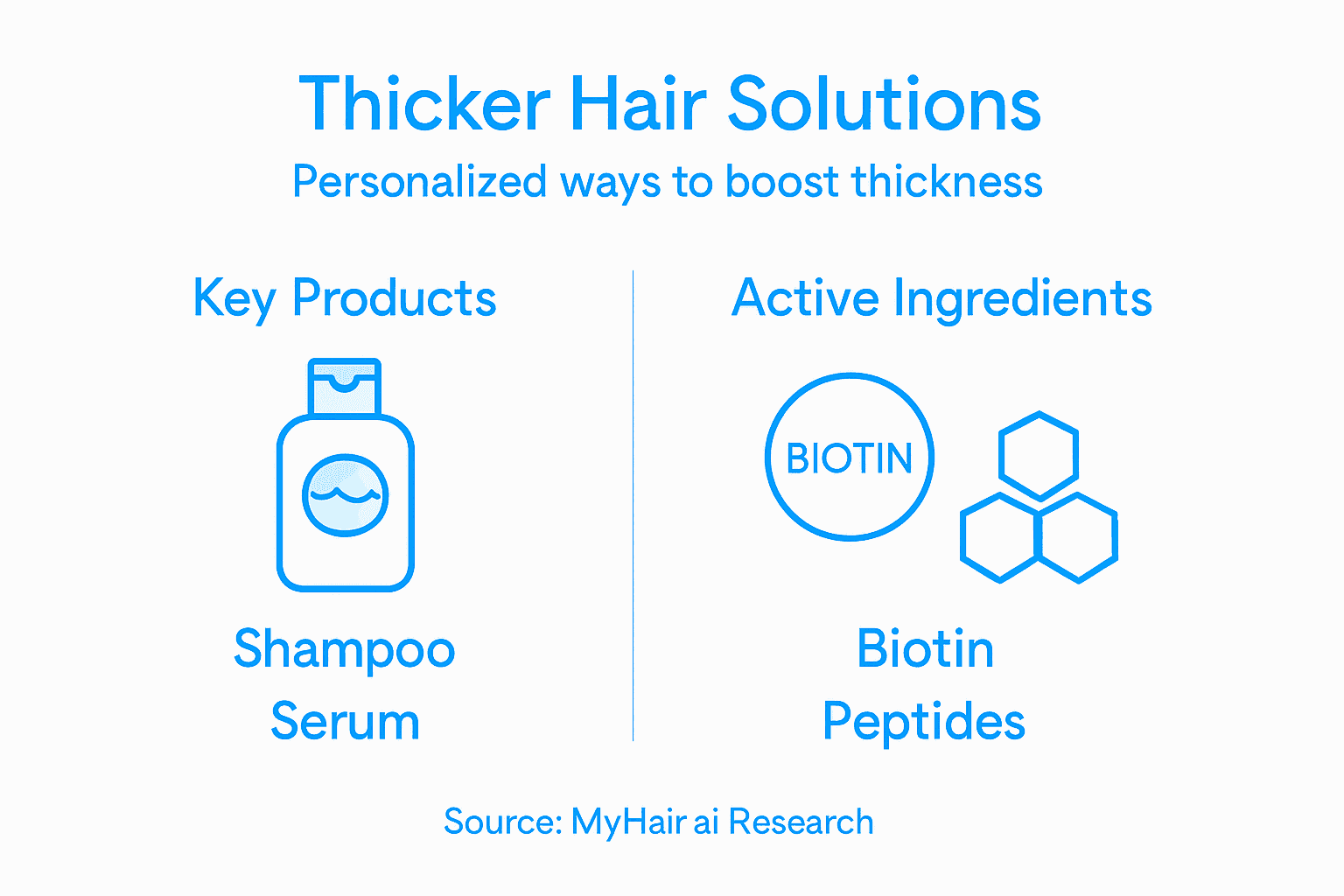
- Shampoos and Conditioners: Formulated with volumizing agents like biotin and keratin
- Scalp Serums: Designed to nourish hair follicles and promote growth
- Nutritional Supplements: Provide essential nutrients for hair health
- Styling Powders: Create instant visual volume
- Hair Oils: Strengthen and protect hair strands
- Spray-on Thickeners: Temporary volume enhancement products
Each product type works through unique mechanisms to create the appearance of thicker, fuller hair. Shampoos and conditioners typically contain proteins and strengthening compounds that coat and plump individual hair strands. Scalp serums focus on improving follicle health and stimulating growth at the root level.
Nutritional supplements play a critical role by providing internal support for hair growth. These products often contain vitamins like biotin, minerals such as zinc, and protein compounds that support hair follicle function and strand strength.
Here's a quick summary of how different product types contribute to hair thickening:
| Product Type | Main Benefit | Typical Key Ingredient |
|---|---|---|
| Shampoo/Conditioner | Adds volume and coats strands | Biotin, Keratin |
| Scalp Serum | Stimulates follicle activity | Peptides, Growth factors |
| Supplement | Improves internal hair health | Biotin, Zinc |
| Styling Powder | Offers immediate visual lift | Silica, Texturizers |
| Hair Oil | Reduces breakage and frizz | Rosemary oil, Argan oil |
Pro tip: Consult with a hair care professional to develop a personalized product strategy that matches your specific hair type and thickening goals.
Key Ingredients and How They Work
Understanding the science behind hair thickening ingredients reveals a complex world of biological interactions. Phytochemicals and natural extracts play crucial roles in stimulating hair growth and improving overall hair health. These scientifically backed ingredients work through intricate cellular pathways to enhance hair volume and strength.
Key ingredients for hair thickening include:
- Caffeine: Prolongs hair growth phase and stimulates follicles
- Biotin: Supports keratin production and hair strength
- Rosemary Oil: Improves scalp circulation and reduces irritation
- Niacinamide: Promotes scalp health and cell signaling
- Peptides: Mimics natural signaling molecules for follicle regeneration
- Growth Factors: Stimulates hair follicle activity
The mechanism of action for these ingredients is fascinating. Caffeine, for instance, works by reducing inhibitory factors and enhancing blood circulation to hair follicles. Biotin strengthens hair at the cellular level, particularly beneficial for individuals with nutritional deficiencies.
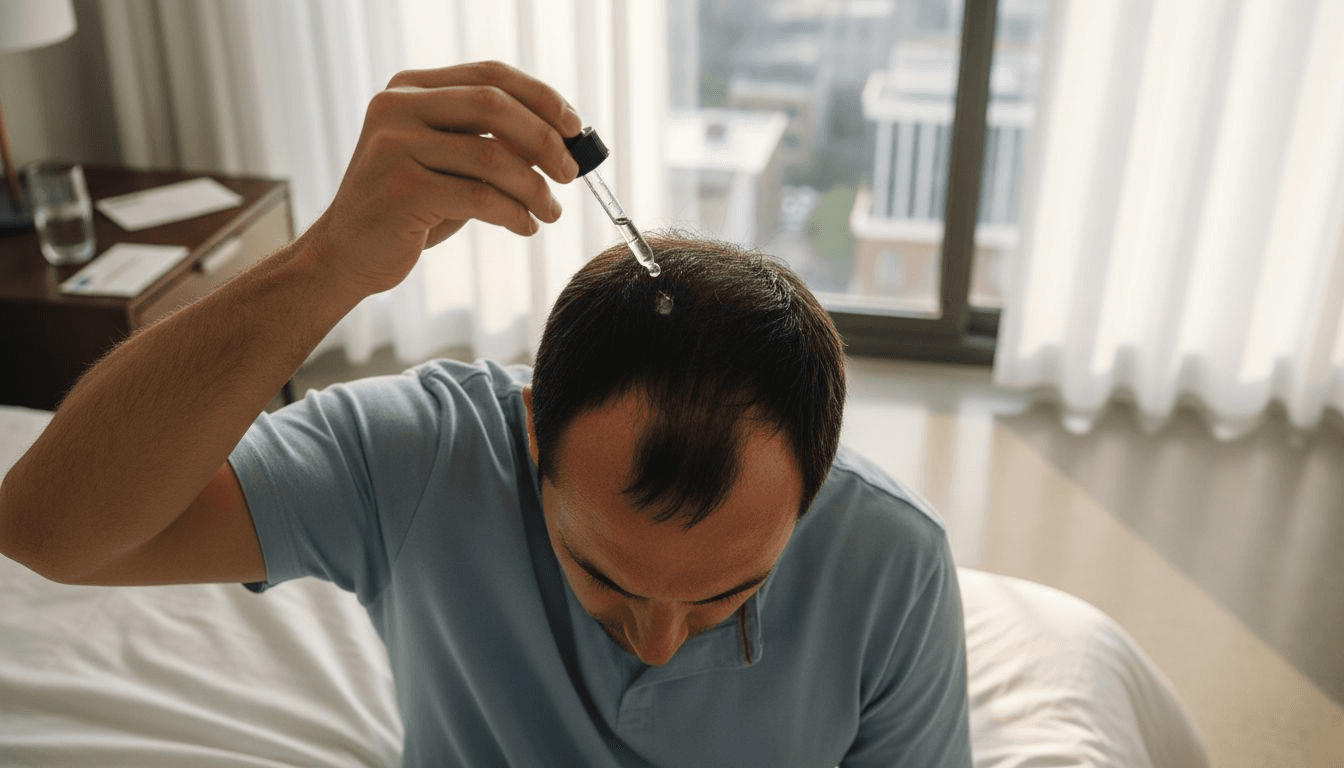
Peptides represent an advanced approach to hair thickening. These molecular compounds essentially trick the scalp into believing it needs to produce more hair by mimicking natural growth signals. This innovative method targets the root cause of hair thinning, offering a more sophisticated solution compared to traditional topical treatments.
Compare how main hair thickening ingredients work at the biological level:
| Ingredient | Mechanism of Action | Hair Benefit |
|---|---|---|
| Caffeine | Boosts follicle microcirculation | Extends growth phase |
| Biotin | Enhances keratin structure | Strengthens and thickens |
| Niacinamide | Supports cell renewal | Improves scalp condition |
| Peptides | Signals regeneration pathways | Encourages dense regrowth |
| Rosemary Oil | Improves blood flow to scalp | Reduces irritation, boosts growth |
Pro tip: Combine multiple ingredients strategically and maintain consistent application for optimal hair thickening results.
Personalizing Hair Products With AI Technology
Artificial intelligence is revolutionizing personalized hair care by transforming how individuals approach hair health and treatment. Machine learning analyzes individual hair characteristics with unprecedented precision, moving far beyond traditional one-size-fits-all solutions.
Key components of AI-powered hair product personalization include:
- Image Analysis: Scanning hair and scalp texture
- Data Processing: Evaluating individual hair metrics
- Predictive Algorithms: Recommending tailored product combinations
- Environmental Factor Assessment: Considering lifestyle and regional impacts
- Genetic Profile Mapping: Understanding inherited hair characteristics
- Real-Time Adaptation: Continuously updating recommendations
Advanced algorithms can now assess multiple parameters simultaneously, creating highly customized hair care strategies. By analyzing scalp images, genetic information, environmental exposures, and personal health data, AI technologies generate precise product recommendations that address specific hair concerns with remarkable accuracy.
Clinical research demonstrates the transformative potential of these technologies. AI-based treatment regimens have shown significant improvements in hair growth, thickness, and overall scalp health, offering users unprecedented insights into their unique hair profile.
Pro tip: Embrace AI-powered hair care by providing comprehensive personal information to receive the most accurate product recommendations.
Risks, Side Effects, and What to Avoid
Chemical hair treatments pose significant health risks that consumers must carefully consider before use. Many popular hair products contain substances linked to potential long-term health complications, making informed choices critical for personal wellness.
Potential risks associated with hair products include:
- Hormonal Disruption: Chemicals that interfere with endocrine system
- Scalp Irritation: Local inflammatory responses
- Hair Shaft Damage: Weakening and breakage of hair strands
- Systemic Health Risks: Potential links to serious medical conditions
- Allergic Reactions: Unexpected immune system responses
- Chronic Exposure Complications: Long-term health consequences
Specifically, hair relaxers and chemical straightening treatments have been scrutinized for their potential health impacts. Scientific research highlights serious medical concerns including potential kidney damage, respiratory issues, and increased cancer risks associated with prolonged exposure to certain chemical compounds.
Consumers should approach hair treatments with caution, prioritizing natural ingredients and understanding the potential long-term implications of chemical-based products. Careful research, patch testing, and consultation with healthcare professionals can help mitigate potential risks associated with hair care treatments.
Pro tip: Always read ingredient labels carefully and conduct a patch test before using new hair products to minimize potential adverse reactions.
Discover Personalized Solutions for Thicker Hair with AI Technology
Struggling to find the right hair thickening products that actually work for your unique hair type can be frustrating. The article highlights how factors like hormonal changes, genetics, and scalp health influence hair thickness. It also explains advanced ingredients and the growing role of AI in personalizing hair care. If you want to move beyond one-size-fits-all products and stop guessing which treatments suit your needs, embracing tailored recommendations is key.
At MyHair.ai, our advanced algorithms analyze your hair and scalp condition to deliver personalized product suggestions built around your individual profile. Whether you want to boost volume with the right shampoo, support follicles with targeted serums, or optimize your hair health internally with supplements, our AI-powered platform ensures you get guided, science-backed advice. Don’t wait to experience the confidence and satisfaction that comes with thicker, fuller hair. Start your personalized hair care journey today at MyHair.ai and regain control over your hair's future.
Frequently Asked Questions
What types of products can help make my hair thicker?
Various hair thickening products include shampoos and conditioners, scalp serums, nutritional supplements, styling powders, hair oils, and spray-on thickeners. Each type addresses different aspects of hair volume and strength.
How do I choose the right hair thickening products for my specific hair type?
Consulting with a hair care professional can help you develop a personalized product strategy that matches your unique hair type and thickening goals. Look for products that include ingredients beneficial to your specific hair concerns, such as biotin and keratin for strength.
What are the key ingredients to look for in hair thickening products?
Key ingredients include caffeine, biotin, rosemary oil, niacinamide, peptides, and growth factors. These ingredients work through various mechanisms to enhance hair volume, stimulate follicles, and improve overall hair health.
How does AI technology personalize hair product recommendations?
AI technology analyzes individual hair and scalp characteristics through image analysis, evaluates hair metrics, and assesses environmental factors. This allows for tailored product combinations that cater specifically to your hair care needs and concerns.