Blog
Learning Materials
7 Top Hair Loss Treatments and How They Really Work
Updated: December 23, 2025
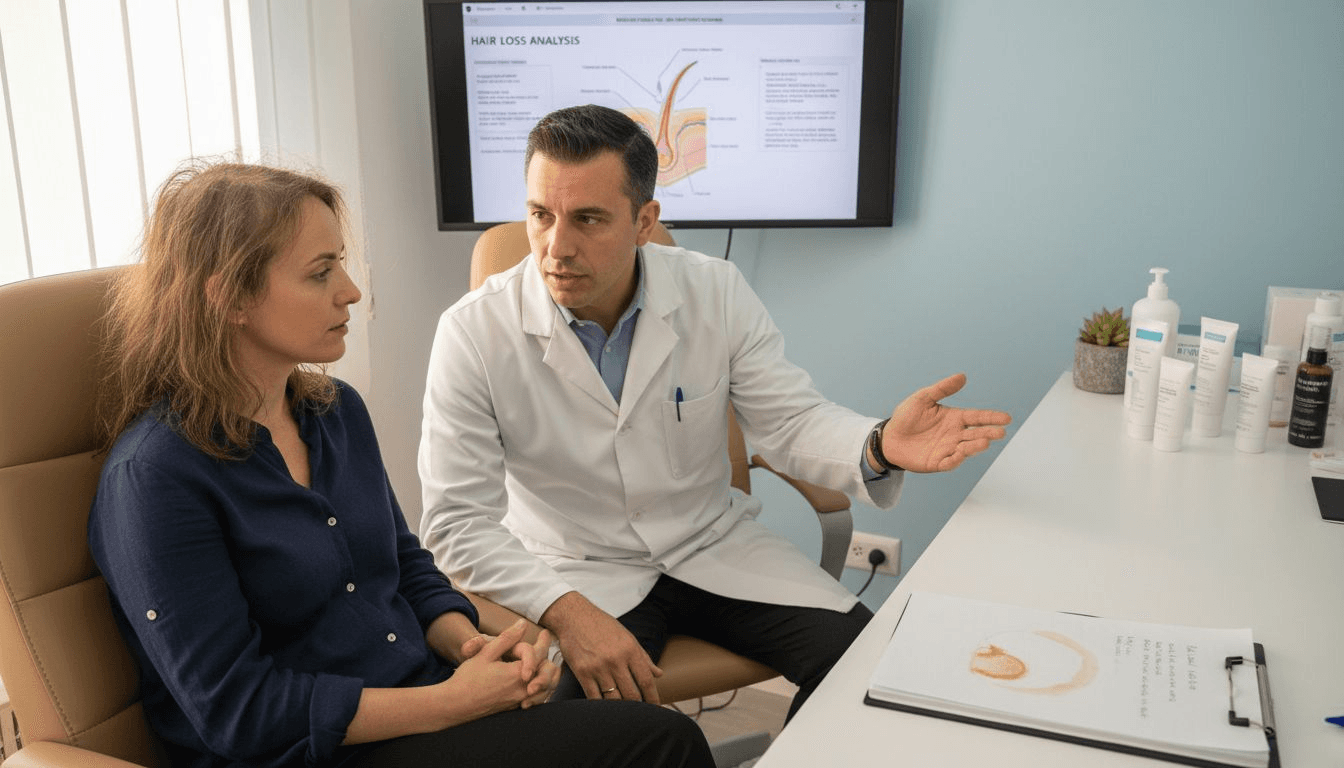
Every year, millions of American adults face the frustration of thinning hair, yet most people underestimate just how complicated hair loss can be. Genetics, stress, nutrition, and even environmental triggers often work together behind the scenes. With up to 80% of men and 50% of women affected by hair loss in their lifetime, understanding the real causes—and your wider treatment options—makes a difference in achieving lasting results and renewed confidence.
Table of Contents
- Understanding The Causes Of Hair Loss
- AI-Powered Hair Analysis For Personalized Care
- Over-The-Counter Solutions And Topicals
- Prescription Medications For Hair Regrowth
- Natural Remedies And Lifestyle Changes
- Advanced Therapies: Laser And Prp Treatments
- Effective Hair Care Routines For Lasting Results
Quick Summary
| Key Insight | Explanation |
|---|---|
| 1. Understand your causes of hair loss | Genetic factors, hormonal imbalances, and nutrition all influence hair health. Identifying these can help in proactive management. |
| 2. Consider AI-powered hair analysis | Personalized assessments through AI can enhance treatment effectiveness by targeting individual hair and scalp characteristics with precision. |
| 3. Use topical treatments like Minoxidil | Over-the-counter solutions can promote follicle activity and improve hair density. Consistent usage is essential for best results. |
| 4. Explore prescription medications | Finasteride and Dutasteride fight hair loss by addressing hormonal effects. Consult a doctor for personalized guidance and to evaluate whether these are suitable options for you. |
| 5. Commit to a comprehensive hair care routine | A consistent, holistic approach to hair care, including proper nutrition and stress management, can significantly improve hair health and growth. |
1. Understanding the Causes of Hair Loss
Hair loss is far more complex than most people realize. While many assume it's simply an inevitable genetic fate, the reality is that multiple interconnected factors contribute to hair thinning and baldness.
Genetic predisposition plays a significant role in hair loss. Androgenetic alopecia represents the most common form of hair loss, affecting up to 80% of men and 50% of women during their lifetime. This hereditary condition means some individuals are genetically more susceptible to hair loss than others.
Beyond genetics, several critical factors influence hair health. Hormonal imbalances can trigger significant hair loss, particularly changes related to thyroid function, testosterone levels, and reproductive hormones. Nutritional deficiencies also play a crucial part transforming hair growth patterns. Specifically, inadequate protein, iron, zinc, and vitamin B12 can interrupt normal hair production cycles.
Psychological stress emerges as another potent contributor to hair loss. Chronic stress disrupts normal hair follicle function, potentially pushing more hair into the shedding phase. Environmental factors like pollution, harsh chemical treatments, and excessive heat styling can further damage hair structures and accelerate loss.
Understanding these multifaceted causes empowers you to take proactive steps in maintaining hair health. Recognizing early signs and addressing underlying factors can significantly slow or even prevent progressive hair loss.
Pro tip: Schedule a comprehensive health assessment to identify potential nutritional deficiencies or hormonal imbalances that might be contributing to your hair loss journey.
2. AI-Powered Hair Analysis for Personalized Care
AI technology is revolutionizing hair loss treatment by offering unprecedented personalization. Instead of relying on generic solutions, advanced algorithms can now analyze individual hair and scalp characteristics with remarkable precision.
In a groundbreaking clinical trial, AI-driven platforms demonstrated significant potential for customizing hair loss treatments. The study involved 38 women experiencing hair thinning, who received personalized product recommendations based on detailed scalp imaging and comprehensive questionnaires.
The AI analysis process typically involves multiple sophisticated steps. First, high resolution images of your scalp are captured and analyzed using machine learning algorithms. These algorithms can detect microscopic patterns invisible to the human eye, assessing factors like hair density, follicle health, scalp condition, and potential damage indicators.
Research shows impressive outcomes from this approach. One study revealed participants experienced a 32.4% reduction in hair shedding and a 69% decrease in scalp transepidermal water loss after personalized treatment. This demonstrates how targeted, technology driven interventions can dramatically improve hair health.
Personalized AI analysis goes beyond traditional diagnostic methods by integrating multiple data points. Genetic predispositions, lifestyle factors, nutritional status, and environmental influences are all considered to create a comprehensive hair health profile.
Pro tip: Schedule an AI hair analysis session to obtain a detailed, scientifically backed assessment of your unique hair and scalp characteristics before investing in any hair loss treatments.
3. Over-the-Counter Solutions and Topicals
Over-the-counter hair loss treatments represent a practical first line of defense for individuals experiencing thinning hair. These accessible solutions offer hope without requiring a prescription or extensive medical intervention.
Topical treatments like minoxidil have emerged as scientifically validated options for managing hair loss. Minoxidil works by stimulating blood flow to hair follicles, encouraging dormant follicles to enter the active growth phase and potentially slowing hair loss progression.
Understanding how these topicals function is crucial. Minoxidil specifically widens blood vessels in the scalp, improving nutrient delivery and oxygen supply to hair follicles. This mechanism helps extend the growth phase of hair cycles, potentially increasing hair density and preventing further loss.
Application is straightforward but requires consistency. Most topical solutions recommend twice daily application directly to the scalp, massaging gently to ensure even distribution. Key application tips include:
• Apply to clean, dry scalp • Use recommended dosage precisely • Maintain consistent daily routine • Allow complete absorption before styling
Important considerations exist. Not all individuals experience identical results. Factors like age, underlying health conditions, and genetic predisposition significantly influence treatment effectiveness. Some users might see improvements within 3 to 6 months, while others may require longer treatment periods.
Side effects are typically minimal but can include scalp irritation, itching, or localized redness. Consulting a healthcare professional before starting any treatment remains advisable, especially for individuals with pre existing scalp conditions.
Pro tip: Track your progress through monthly photographs and measurements to objectively assess the effectiveness of your over-the-counter hair loss treatment.
4. Prescription Medications for Hair Regrowth
Prescription medications offer a scientifically backed approach to combating hair loss, providing hope for individuals experiencing persistent thinning and balding. These targeted treatments address underlying hormonal mechanisms that contribute to hair loss.
Prescription medications like finasteride and dutasteride represent advanced pharmaceutical interventions for managing androgenetic alopecia. These medications work by blocking the conversion of testosterone to dihydrotestosterone (DHT), a hormone responsible for shrinking hair follicles and accelerating hair loss.
Finasteride specifically targets the enzyme 5 alpha reductase, which plays a crucial role in DHT production. By reducing DHT levels, the medication helps slow hair loss and potentially stimulate regrowth. Most clinical studies demonstrate that approximately 80% of men experience either stabilized hair loss or partial regrowth when using finasteride consistently.
Dutasteride operates similarly but with a broader mechanism of action. It blocks both type 1 and type 2 5 alpha reductase enzymes, potentially offering more comprehensive DHT reduction compared to finasteride. However, this broader action also increases the likelihood of experiencing side effects.
Key considerations for prescription hair loss medications include:
• Requires consistent daily usage • Potential side effects like reduced libido • Most effective when started early in hair loss progression • Individual response varies significantly • Prescription requires medical consultation
Important medical guidance is critical. Not all individuals are suitable candidates for these medications. Factors like age, overall health, and existing medical conditions play significant roles in determining appropriate treatment.
Pro tip: Schedule a comprehensive medical consultation to discuss your specific hair loss profile and determine whether prescription medications represent the most suitable treatment option for your individual needs.
5. Natural Remedies and Lifestyle Changes
Natural approaches to hair loss offer holistic alternatives that address underlying health factors contributing to hair thinning. These methods focus on comprehensive wellness rather than targeting hair loss in isolation.
Scientific research highlights the significant impact of lifestyle modifications on hair health. Nutrition, stress management, and targeted supplementation can play crucial roles in supporting hair growth and preventing further loss.
Nutritional strategies form the foundation of natural hair loss management. Key nutrients essential for hair health include:
• Biotin • Zinc • Iron • Vitamin D • Omega 3 fatty acids • Protein
Diet plays a transformative role in hair follicle health. Consuming protein rich foods supports keratin production, the primary protein in hair strands. Foods like eggs, fish, lean meats, and legumes provide essential amino acids that strengthen hair from the root.
Stress management emerges as another critical factor. Chronic stress triggers hormonal imbalances that can accelerate hair loss. Practices like meditation, regular exercise, and adequate sleep help regulate cortisol levels and support overall hair health.
Herbal supplements offer promising natural interventions. Saw palmetto, ginseng, and green tea extract have shown potential in supporting hair growth by reducing inflammation and blocking hormones associated with hair loss.
Lifestyle modifications can significantly impact hair health. Regular exercise improves blood circulation, potentially enhancing nutrient delivery to hair follicles. Reducing alcohol consumption and avoiding smoking can also contribute to improved hair growth conditions.
Pro tip: Create a comprehensive wellness journal tracking your diet, stress levels, sleep patterns, and hair health to identify potential correlations and optimize your natural hair loss prevention strategy.
6. Advanced Therapies: Laser and PRP Treatments
Cutting edge hair loss treatments offer hope beyond traditional medications and topical solutions. Advanced therapies like low level laser treatment and platelet rich plasma represent innovative approaches to combating hair loss.
Scientific research highlights the promising potential of advanced hair restoration technologies in stimulating hair growth and improving follicle health. These treatments work through unique mechanisms that target hair restoration at the cellular level.
Low Level Laser Therapy (LLLT) operates by delivering specific wavelengths of light directly to the scalp. Key benefits of laser treatments include:
• Stimulating cellular metabolism • Increasing blood circulation • Reducing inflammation • Encouraging dormant hair follicles to enter active growth phase • Potentially reversing miniaturization of hair follicles
Platelet Rich Plasma (PRP) therapy represents another groundbreaking approach. This treatment involves extracting a patient's own blood, concentrating the platelets, and then reinjecting the plasma into the scalp. The concentrated growth factors can potentially accelerate hair follicle regeneration and strengthen existing hair.
Procedural considerations are crucial. Both LLLT and PRP treatments typically require multiple sessions for optimal results. Most patients experience noticeable improvements after 3 to 6 months of consistent treatment.
Important factors to consider include individual variability in response, potential side effects, and the necessity of professional medical supervision. Not all patients will experience identical outcomes, and results can vary based on underlying health conditions and genetic predispositions.
Pro tip: Consult a specialized hair restoration professional to determine whether advanced therapies like laser or PRP treatments align with your specific hair loss profile and overall health conditions.
7. Effective Hair Care Routines for Lasting Results
Sustaining healthy hair requires more than sporadic treatments. A comprehensive hair care routine can significantly impact hair growth, strength, and overall scalp health.
Scientific research highlights the critical role of consistent hair care practices in preventing hair loss and maintaining robust hair growth. Understanding and implementing strategic hair care techniques can transform your hair health trajectory.
Core elements of an effective hair care routine include:
• Gentle cleansing techniques • Proper moisture balance • Scalp health maintenance • Protective styling • Nutritional support • Stress management • Regular professional assessments
Washing your hair requires nuanced approach. Use lukewarm water to prevent cuticle damage, selecting sulfate free shampoos that cleanse without stripping natural oils. Massage your scalp gently during washing to stimulate blood circulation and support follicle health.
Conditioning plays a crucial role in hair preservation. Apply conditioner primarily to hair ends, avoiding direct scalp application. This strategy prevents excess oil buildup while providing necessary moisture to vulnerable hair strands.
Protective styling minimizes mechanical stress on hair. Avoid tight ponytails, excessive heat styling, and harsh chemical treatments. When using heat tools, always apply a thermal protection product and use lowest effective temperature setting.
Nutritional considerations extend beyond topical treatments. Ensure adequate protein intake, hydration, and consumption of vitamins like biotin, vitamin D, and omega 3 fatty acids to support internal hair health mechanisms.
Pro tip: Create a personalized hair care journal tracking product usage, hair condition, and lifestyle factors to identify patterns that positively or negatively impact your hair growth journey.
Below is a comprehensive table summarizing the main causes, treatments, and care strategies for hair loss discussed throughout the article.
| Topic | Description | Key Considerations |
|---|---|---|
| Genetic Factors | Androgenetic alopecia affects 80% of men and 50% of women. Genetic predisposition is significant. | Early recognition and proactive care are crucial. |
| Hormonal Imbalances | Changes in thyroid function, testosterone levels, and reproductive hormones can trigger hair loss. | Comprehensive health assessments to identify hormonal issues. |
| Nutritional Deficiencies | Lack of protein, iron, zinc, and vitamin B12 affects hair growth patterns. | Nutritional supplements might be needed to address deficiencies. |
| Psychological Stress | Chronic stress disrupts hair follicle function and leads to hair loss. | Stress management techniques are recommended to improve hair health. |
| AI-Powered Analysis | Utilizes AI for personalized hair and scalp analysis to customize treatments effectively. | Personalized solutions can lead to significant reductions in hair shedding. |
| Over-the-Counter Topicals | Minoxidil stimulates blood flow and extends the hair growth phase. | Consistent application is essential, with some users seeing results in 3-6 months. |
| Prescription Medications | Finasteride and dutasteride block DHT, slowing hair loss. | Medical consultation is mandatory, and individual responses vary. |
| Natural Remedies | Nutrition, stress management, and herbal supplements can support hair growth. | Integrate wellness strategies for holistic benefits. |
| Advanced Therapies | Laser and PRP treatments use technology to stimulate hair growth at the cellular level. | Multiple sessions are often required, with results varying by individual. |
| Effective Hair Care Routines | Consistent practices including gentle cleansing, moisture balance, and protective styling support overall hair health. | Regular assessment and adjustments to routines are recommended for optimal hair growth. |
Take Control of Your Hair Loss Journey with Precision AI Insights
Understanding the complex causes behind hair loss can feel overwhelming. This article highlights the importance of personalized care—from identifying hormonal imbalances to leveraging advanced therapies like AI-powered hair analysis to create effective treatment plans. If you are experiencing hair thinning or want to track your hair growth progress, addressing these challenges head-on with tailored solutions is the key to lasting results.
Discover how AI-based hair health analysis can pinpoint your unique hair loss triggers using sophisticated algorithms. At MyHair.ai, you get detailed assessments based on your individual scalp scans and receive personalized growth projections along with tailored product recommendations that complement medical treatments and natural remedies. Start now to take charge of your hair care strategy with insights designed specifically for you.
Frequently Asked Questions
What are the causes of hair loss?
Hair loss can result from various factors, including genetic predisposition, hormonal imbalances, nutritional deficiencies, and psychological stress. To address it effectively, consider scheduling a comprehensive health assessment to identify the specific causes contributing to your hair loss.
How does AI-powered hair analysis work for hair loss treatment?
AI-powered hair analysis utilizes advanced algorithms to evaluate individual hair and scalp characteristics, creating personalized treatment plans based on detailed imaging and questionnaires. Schedule a session for AI analysis to get a scientifically backed assessment of your unique hair and scalp needs before starting any treatment.
What over-the-counter solutions are available for hair loss?
Over-the-counter products, like topical minoxidil, stimulate blood flow to hair follicles, promoting growth and reducing shedding. For best results, apply twice daily to a clean, dry scalp and maintain a consistent routine for several months, as improvements may take 3 to 6 months to become noticeable.
How do prescription medications help with hair regrowth?
Prescription medications, such as finasteride, work by blocking hormones that contribute to hair loss, slowing down the process and potentially encouraging regrowth. Consult a healthcare professional to evaluate if this treatment is suitable for you, as consistent daily use can yield results in about 80% of men within a year.
What lifestyle changes or natural remedies can support hair health?
Incorporating a balanced diet rich in key nutrients like biotin, zinc, and protein helps strengthen hair, while stress management techniques can prevent hormonal imbalances. Implement daily practices, such as regular exercise and adequate sleep, to create a comprehensive approach over a few months to support overall hair health.
What are advanced therapies for hair loss like PRP treatments?
Advanced therapies, such as Platelet Rich Plasma (PRP) therapy, involve injecting concentrated platelets into the scalp to stimulate hair growth. For optimal results, undergo multiple sessions over a 3 to 6 month period under professional supervision to monitor and evaluate your progress.