Blog
Learning Materials
7 Proven Tipos de Tratamientos de Crecimiento for Hair Health
Updated: December 23, 2025

Finding out that more than 20 percent of australian adults start losing hair by their mid-thirties can feel overwhelming for anyone dealing with early hair thinning. The struggle to stop hair loss or regrow strong, healthy hair hits close to home for millions, regardless of where you live. With AI-driven treatments advancing quickly, this guide reveals the most effective options tailored to your unique needs, helping you regain confidence and improve scalp health.
Table of Contents
- 1. Understanding Tipos de Tratamientos de Crecimiento Basics
- 2. Topical Treatments: How Serums and Oils Support Growth
- 3. Oral Supplements for Targeting Internal Causes
- 4. Low-Level Laser Therapy for Stimulating Hair Follicles
- 5. Minoxidil and Prescription Options Explained
- 6. Hair-Friendly Lifestyle Changes That Make a Difference
- 7. AI-Driven Personalised Plans for Best Results
Quick Summary
| Key Insight | Explanation |
|---|---|
| 1. Personalised Treatment Plans Yield Better Results | AI-driven plans customised to individual hair characteristics improve effectiveness and outcomes for hair growth treatments. |
| 2. Topical Treatments Can Stimulate Hair Growth | Serums with active ingredients like Minoxidil and essential oils enhance scalp health and promote robust hair regeneration. |
| 3. Address Nutritional Deficiencies with Oral Supplements | Supplements like Biotin and Zinc help combat hair loss by targeting internal factors affecting hair health. |
| 4. Lifestyle Changes Significantly Impact Hair Health | Healthy nutrition, stress management, and proper hair care practices are crucial for maintaining vibrant hair and preventing loss. |
| 5. Consult Specialists for Effective Treatment | Seeking professional advice ensures tailored strategies for hair restoration that consider unique hair and health needs. |
1. Understanding Tipos de Tratamientos de Crecimiento Basics
Hair growth treatments represent a fascinating intersection of medical science and personal wellness, offering hope for individuals experiencing hair loss or seeking enhanced hair health. These treatments range from minimally invasive techniques to surgical interventions, each designed to address unique hair growth challenges.
Modern hair restoration approaches leverage sophisticated medical technologies to stimulate follicular activity and promote natural hair regrowth. For instance, Platelet-rich plasma (PRP) therapy involves extracting and concentrating a patient's own blood platelets to stimulate hair follicle regeneration. This innovative technique works by delivering growth factors directly to areas experiencing thinning or decreased hair density.
Understanding the nuanced landscape of hair growth treatments requires recognising that no single approach suits every individual. Factors like genetic predisposition, age, overall health, and specific hair loss patterns play critical roles in determining the most effective intervention. Some treatments focus on stopping hair loss progression, while others aim to actively regenerate hair follicles and promote new growth.
A comprehensive approach often combines multiple strategies, which might include topical treatments, nutritional supplements, medical procedures like Follicular Unit Transplantation (FUT), and lifestyle modifications. Consulting with a hair restoration specialist can help develop a personalised treatment plan tailored to your specific needs.
Pro Tip: Before starting any hair growth treatment, conduct thorough research and schedule consultations with multiple specialists to understand the potential benefits, risks, and expected outcomes specific to your unique hair health situation.
2. Topical Treatments: How Serums and Oils Support Growth
Topical hair growth treatments represent a powerful strategy for individuals experiencing hair thinning or seeking to enhance their hair's natural vitality. These targeted solutions work directly on the scalp, delivering concentrated nutrients and active ingredients to stimulate follicular health and promote robust hair growth.
Minoxidil stands out as a prominent topical treatment, widely recognised for its effectiveness in combating hair loss. This medication increases blood flow to hair follicles, essentially awakening dormant hair growth mechanisms and potentially reversing early stages of baldness. Typically available in over the counter formulations, minoxidil offers an accessible approach to addressing hair thinning concerns.
Essential oils provide another compelling avenue for supporting hair growth. Certain botanical extracts like rosemary and peppermint have demonstrated promising potential in stimulating scalp circulation and reducing inflammation. These natural compounds work by improving blood flow to hair follicles, creating an optimal environment for healthy hair regeneration.
Effective topical treatments often combine multiple active ingredients to maximise hair growth potential. Serums might incorporate peptides, botanical extracts, vitamins, and minerals that nourish hair follicles from the root. Understanding your specific hair type and underlying conditions is crucial when selecting appropriate topical treatments.
Pro Tip: Always perform a patch test with new topical treatments and consult a healthcare professional to ensure compatibility with your individual hair and scalp characteristics.
3. Oral Supplements for Targeting Internal Causes
Oral supplements represent a strategic approach to addressing hair loss by targeting underlying nutritional deficiencies and hormonal imbalances that contribute to hair health challenges. These internal treatments work from within, providing targeted support to hair follicles and addressing root causes of hair thinning.
Finasteride emerges as a significant oral medication for men experiencing androgenetic alopecia. This prescription treatment works by inhibiting the enzyme responsible for converting testosterone to dihydrotestosterone, effectively slowing hair loss progression and potentially stimulating hair regrowth. By addressing hormonal factors directly, finasteride offers a scientifically backed intervention for male pattern baldness.
Biotin, also known as vitamin B7, plays a crucial role in supporting overall hair health. While supplementation is most beneficial for individuals with confirmed deficiencies, this water soluble vitamin contributes to keratin infrastructure, the primary protein comprising hair strands. Keratin provides structural integrity, helping to prevent breakage and support robust hair growth.
Comprehensive oral supplement strategies often incorporate a blend of vitamins, minerals, and targeted compounds. Zinc, iron, vitamin D, and specific amino acids can work synergistically to create an optimal internal environment for hair regeneration. Understanding your unique nutritional profile through professional blood testing can help personalise your supplement approach.
Pro Tip: Consult a healthcare professional before starting any oral supplement regimen to ensure proper dosage, potential interactions, and alignment with your individual health requirements.
4. Low-Level Laser Therapy for Stimulating Hair Follicles
Low-Level Laser Therapy (LLLT) represents an innovative, non invasive approach to addressing hair loss by directly stimulating cellular activity within hair follicles. This cutting edge treatment offers hope for individuals experiencing thinning hair or early stage baldness by leveraging precise light energy to rejuvenate dormant hair growth mechanisms.
Low-Level Laser Therapy utilises specific wavelengths of red and near infrared light to penetrate the scalp and trigger cellular regeneration. The therapeutic light wavelengths work by increasing blood circulation, reducing inflammation, and stimulating mitochondrial activity within hair follicle cells. This process essentially provides a metabolic boost that can potentially restart hair growth cycles and improve overall follicular health.
The mechanism behind LLLT is rooted in photobiomodulation, a process where specific light frequencies interact with cellular structures to promote healing and regeneration. By delivering controlled light energy directly to the scalp, this treatment can potentially extend the growth phase of hair follicles, reduce hair loss, and encourage the development of thicker, more resilient hair strands.
Electrotrichogenesis represents another emerging technology in the realm of hair stimulation, exploring how electrical charges might influence follicular activity. While research is ongoing, these advanced therapies demonstrate the increasing sophistication of hair restoration techniques.
Pro Tip: Consult a certified hair restoration specialist to determine whether Low-Level Laser Therapy is appropriate for your specific hair loss pattern and overall health condition.
5. Minoxidil and Prescription Options Explained
Prescription hair loss treatments offer scientifically backed solutions for individuals experiencing persistent hair thinning or genetic baldness patterns. These medical interventions provide targeted approaches to addressing hair loss at its physiological roots.
Minoxidil, a topical medication available over the counter, represents a primary treatment option for both men and women experiencing androgenetic alopecia. This versatile solution works by expanding blood vessels in the scalp, improving blood flow to hair follicles and potentially stimulating dormant hair growth cycles. Available in varying concentrations, minoxidil can be applied directly to areas experiencing thinning, offering a non invasive approach to hair restoration.
Finasteride provides another significant prescription option, specifically designed for male pattern baldness. By inhibiting the enzyme responsible for converting testosterone to dihydrotestosterone, this oral medication effectively reduces hormonal factors contributing to hair loss. Clinical studies have demonstrated its potential to not only slow hair loss progression but also potentially reverse early stages of balding in some individuals.
Prescription hair loss treatments are not universal solutions. Individual responses vary based on genetic factors, overall health, age, and the specific pattern of hair loss. A comprehensive assessment by a healthcare professional can help determine the most appropriate treatment strategy, potentially combining multiple approaches for optimal results.
Pro Tip: Always consult a medical professional before starting any prescription hair loss treatment to understand potential side effects, interaction risks, and personalised treatment efficacy.
6. Hair-Friendly Lifestyle Changes That Make a Difference
Hair health extends far beyond topical treatments and medical interventions, deeply intertwining with our overall lifestyle choices. Understanding how daily habits impact hair growth can empower individuals to take proactive steps towards maintaining robust, vibrant hair.
Lifestyle modifications play a critical role in supporting hair follicle health and preventing premature hair loss. Nutrition emerges as a foundational element, with a balanced diet rich in proteins, vitamins, and minerals providing essential building blocks for hair growth. Nutrients like biotin, iron, zinc, and vitamins A, C, and E directly contribute to hair strength, texture, and overall resilience.
Stress management represents another pivotal lifestyle factor affecting hair health. Chronic stress can trigger hormonal imbalances that disrupt normal hair growth cycles, potentially leading to increased shedding or thinning. Incorporating stress reduction techniques such as meditation, regular exercise, and adequate sleep can help mitigate these negative physiological responses.
Proper hair care practices extend beyond nutrition and stress management. Gentle hair handling, minimising heat styling, using appropriate hair products, and protecting hair from environmental damage can significantly impact long term hair health. This includes avoiding tight hairstyles that cause scalp tension, using heat protectant products, and maintaining a consistent hair care routine tailored to your specific hair type.
Pro Tip: Implement a holistic approach to hair health by creating a comprehensive wellness routine that addresses nutrition, stress management, and gentle hair care practices simultaneously.
7. AI-Driven Personalised Plans for Best Results
Artificial intelligence represents a groundbreaking frontier in personalised hair health solutions, offering unprecedented precision in diagnosing and addressing individual hair growth challenges. By leveraging advanced algorithms and comprehensive data analysis, AI technologies are transforming traditional approaches to hair restoration and treatment.
A 24-week clinical trial demonstrated remarkable potential in AI driven hair loss interventions. The research revealed that personalised treatment plans generated through sophisticated machine learning models could significantly improve hair growth, scalp health, and overall hair texture. These intelligent systems analyse multiple data points including genetic predisposition, scalp condition, lifestyle factors, and historical hair health patterns.
The core strength of AI powered personalisation lies in its ability to create dynamic, evolving treatment strategies. Unlike traditional onesize approaches, these intelligent systems continuously learn and adapt, generating recommendations that become progressively more accurate and effective over time. By integrating data from scalp imaging, self reported questionnaires, and advanced diagnostic tools, AI can craft nuanced treatment plans tailored to an individual's unique physiological characteristics.
Personalized AI treatment models have shown promising results in improving hair growth metrics, including increased hair coverage, enhanced thickness, and reduced shedding. The technology's ability to predict and proactively address potential hair health challenges represents a significant leap forward in personalised medical care.
Pro Tip: When exploring AI driven hair health solutions, prioritise platforms that offer transparent methodology, comprehensive data protection, and the ability to integrate multiple health and lifestyle inputs for truly personalised recommendations.
Below is a comprehensive table summarizing various hair growth treatments, their methods, and expected outcomes discussed throughout the article.
| Treatment Approach | Description & Method | Expected Outcomes |
|---|---|---|
| Platelet-Rich Plasma (PRP) | Uses concentrated blood platelets to regenerate hair follicles. | Stimulates hair follicle activity and regrowth. |
| Topical Treatments | Includes minoxidil and essential oils applied to scalp for direct nutrient delivery. | Enhances follicular health and promotes growth. |
| Oral Supplements | Targets nutritional deficiencies and hormones using finasteride and biotin. | Supports internal causes of hair loss. |
| Low-Level Laser Therapy | Utilises red and infrared light to stimulate cellular activity in follicles. | Rejuvenates dormant mechanisms and boosts growth. |
| Prescription Options | Involves minoxidil and finasteride for physiological hair loss roots. | Addresses hormonal and genetic hair loss factors. |
| Lifestyle Changes | Incorporates nutrition, stress management, and gentle hair care practices. | Prevents premature loss and improves hair health. |
| AI-Driven Personalised Plans | Uses advanced algorithms to create dynamic, personalised treatment strategies. | Offers precise, evolving hair growth solutions. |
Unlock Your Best Hair Growth Journey with AI-Powered Personalisation
Experiencing hair loss or frustrated by slow progress with standard treatments can feel overwhelming. This article highlights proven tipos de tratamientos de crecimiento that address common concerns like thinning, hormonal imbalances, and scalp health. If you want tailored solutions that consider your unique hair pattern, genetics, and lifestyle, an AI driven approach can make all the difference. Imagine a personalised plan that adapts as your hair changes, combining insights from medical treatments with real time data.
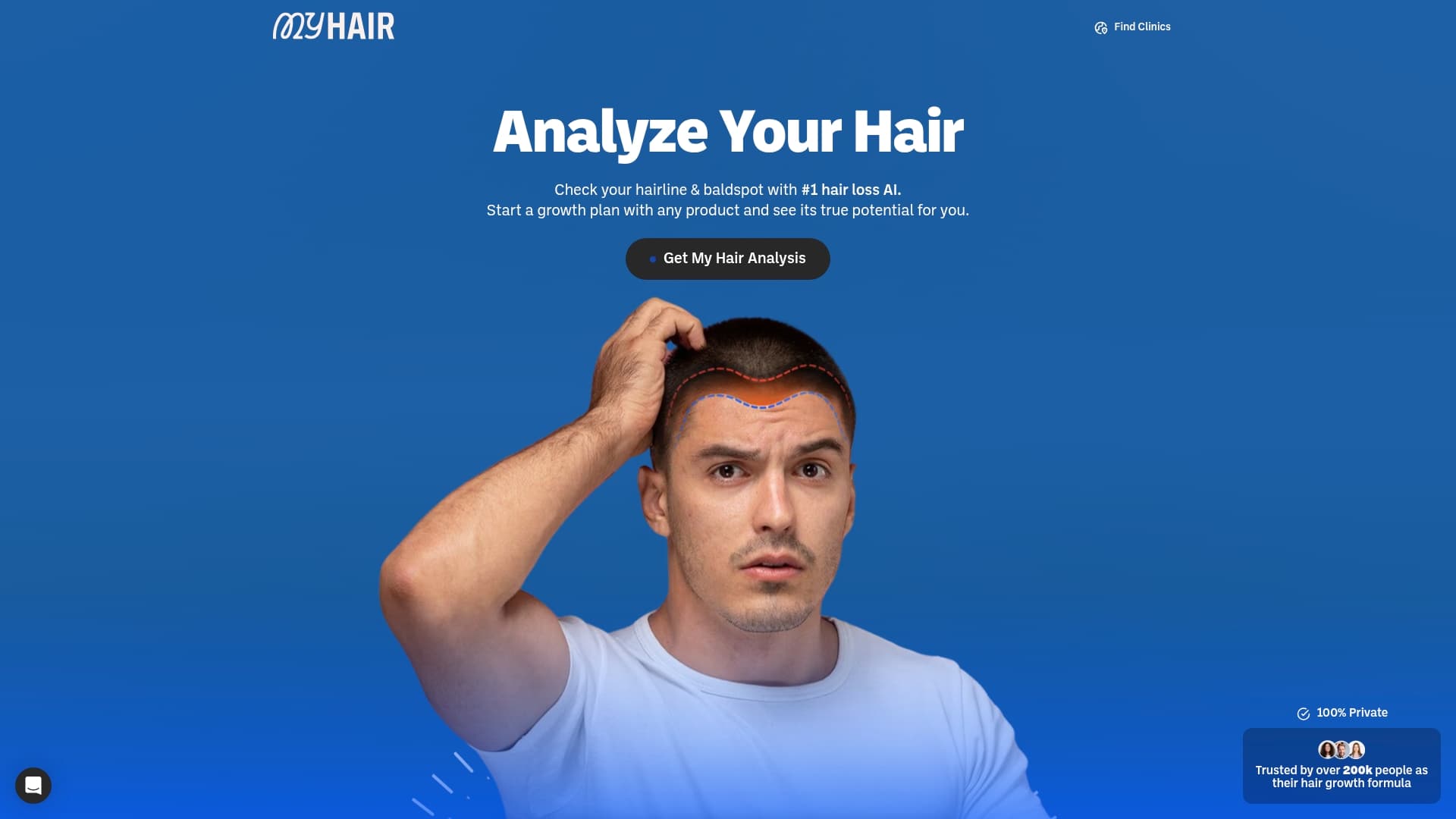
Discover how AI-based hair health analysis transforms your hair care through precise diagnostics and customised growth projections. Our platform lets you upload scans, track improvements, and receive tailored product recommendations aligned with treatments like Minoxidil or Low-Level Laser Therapy. Take control today by visiting MyHair.ai and start your personalised journey to healthier, fuller hair that matches the proven treatments discussed here.
Frequently Asked Questions
What are the different types of hair growth treatments?
Hair growth treatments include topical treatments like Minoxidil, oral supplements such as Biotin, and medical procedures like Follicular Unit Transplantation (FUT). Explore various options to identify which treatment aligns best with your specific hair health needs.
How does Platelet-Rich Plasma (PRP) therapy work for hair growth?
PRP therapy involves extracting a patient's blood, concentrating the platelets, and injecting them into the scalp to stimulate follicle regeneration. Consider consulting a hair restoration specialist to discuss how PRP could benefit your hair growth journey.
Are there any lifestyle changes that can support hair health?
Yes, a balanced diet rich in essential nutrients, regular exercise, and effective stress management can all positively impact hair health. Implement these changes alongside your treatment plan to enhance your hair growth results.
How long does it take to see results from Minoxidil?
Results from Minoxidil can generally be seen within 2 to 4 months of regular application. Commit to a consistent routine to maximise its effectiveness for combating hair thinning.
Can Low-Level Laser Therapy (LLLT) be used in combination with other treatments?
Yes, LLLT can be combined with other hair growth treatments for enhanced results. Discuss with your specialist to develop a comprehensive plan tailored to your hair loss pattern.
What role do oral supplements play in hair growth?
Oral supplements target underlying nutritional deficiencies affecting hair health, providing vital support for follicles. Consider a blood test to identify specific deficiencies and personalise your supplement regimen for optimal hair growth.